University staff trained to spot spiking signs

 BBC
BBCUniversity security guards, bar staff and student union representatives are being offered spiking prevention training in Devon and Cornwall.
The scheme, also available to people working in Newquay's night-time economy, will include spiking prevention, early identification and effective response training and will be delivered by Devon-based charity Stamp Out Spiking (SOS).
It comes after spiking was recognised as a specific criminal offence in the recent Crime and Policing Act 2026, which received Royal Assent last month.
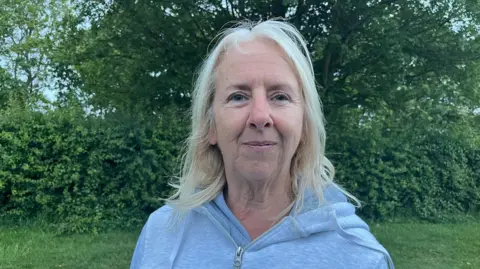
SOS founder Dawn Dines, who campaigned for clearer and stricter laws around spiking, said it was a major milestone that replaced an "outdated" law from 1861.
 Getty Images
Dines, who campaigned for the law change for more than 20 years, said: "This change matters because it makes the law clearer and more visible.
"That clarity is important for victims, for police, and for every venue and organisation that wants to do the right thing.
"But the law is only one part of the solution - prevention and proper response on the ground still matter, every single day."
Dines said the prevention training aimed to educate students, welfare teams and bar staff on how to spot the signs of spiking, not just from strangers but also from loved ones.
Statistics from Devon and Cornwall Police show the number of reported spiking incidents between April 1 2025 and March 31 2026 was 311 - a slight increase from the previous year when there were 292 recorded.
But SOS, which is a national charity based in Exeter, said it believed the numbers should be higher as many people do not report incidents to the police.
The charity receievd £10,000 to deliver the training from the Office of the Police and Crime Commissioner (PCC), which said it would also include distributing anti-drink spiking protective covers which forms part of the PCC's programme to explore ways to disrupt, reduce and combat violence against women and girls.
PCC Alison Hernandez said: "We want to prevent the issue of spiking on a night-out and make sure people in the night-time economy can spot the signs of spiking."
Hernandez described Dines as a "true inspiration" who had "lived and breathed her campaign to protect people from the dangers of spiking which quite rightly deserves to be treated as a serious crime".
'Daunting'
Devon and Cornwall Police's drug and alcohol harm lead Martin Tregaskes said the new law was "very welcome", but added people should be "reassured that incidences of spiking remain rare in Devon and Cornwall".
A spokesperson for the force urged anyone who believed they had been the victim of spiking to contact officers immediately.
"Reporting spiking and spiking-related crimes, such as theft and sexual assault, can be daunting," the force added.
"We're here to support you whether you're ready to report it to us or if you'd prefer to talk to someone else.
"We won't judge you, we'll treat you with respect, and we'll always put your health and wellbeing first."
