Solar farm given approval despite objections

 Wardell Armstrong
Plans for a solar farm across 35 hectares of land in Wakefield have been given the go-ahead despite objections.
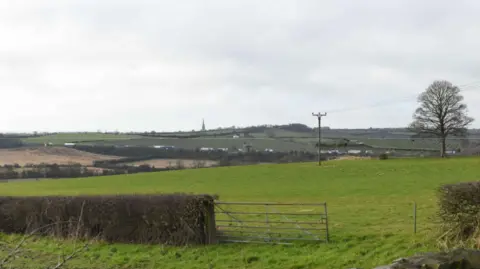
The 86-acre development will see panels installed across five parcels of green belt land at Owlers Farm, between Ossett and Kirkhamgate.
Concerns were raised over the loss of agricultural and wildlife habitats as well as the impact on the rural characters of the area.
Documents submitted to the council on behalf of applicant IBE Flushdyke Ltd said it would be operational for 40 years and provide "a consistent and reliable supply of renewable energy to the local distribution network".
A planning statement said the scheme would provide enough renewable energy to power about 6,000 homes and reduce carbon emissions by 8,600 tonnes annually during its lifetime.
The report said: "After this period, all buildings and structures would be decommissioned and removed, restoring the site to agricultural use.
"All proposed landscaping and biodiversity enhancements would be retained as a long-term benefit."
In 2019, Wakefield Council declared a climate emergency and pledged to become a carbon neutral district by 2036.
'Sacrifice farmland'
The statement said the plan met the "very special circumstances" required to build on green belt land due to the wider public benefits it would provide, according to the Local Democracy Reporting Service.
It said: "The solar farm would help combat climate change, generate secure, domestic, renewable energy, create a significant net gain in biodiversity, and provide a sustainable source of passive income for the agricultural unit whilst intensely farmed land can rest and retain its high quality for longer into the future."
A total of 16 objections were submitted to the council since the application was lodged last May.
One objector commented: "The installation of large-scale industrial infrastructure will irrevocably damage the character of the landscape."
Another resident said: "The land in question is productive agricultural land, essential for growing food and supporting local farming economies.
"With increasing global concern over food security, it is short-sighted to sacrifice viable farmland for energy infrastructure that could be better situated on brownfield sites."
No comments in support of the proposals were submitted to the council.
Listen to highlights from West Yorkshire on BBC Sounds, catch up with the latest episode of Look North.
