A presidential snub? The mix-up that left the Beatles feeling fear in the Philippines

 Getty
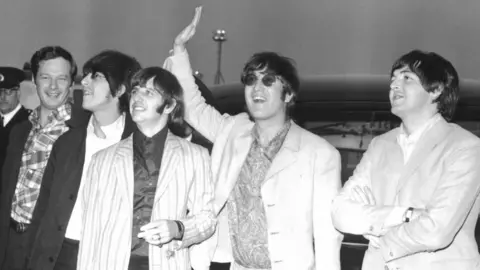
GettyIt was a Beatles tour that pivoted from triumph to disaster in a matter of hours and turned into the most terrifying time of the Fab Four's career.
At the height of the band's fame in July 1966, more than 80,000 people flocked to see them in two huge shows at the Rizal Memorial Football Stadium in the Filipino capital of Manila.
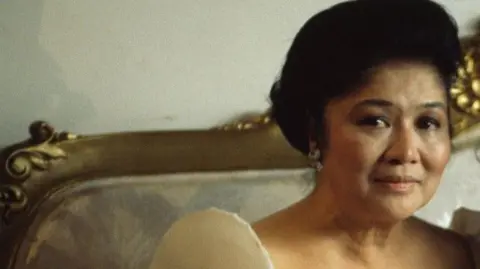
But within hours the stars found themselves marred in a desperate and dangerous situation over what was seen as an apparent snub of the country's first lady Imelda Marcos.
Now the story has been recounted in detail in a book by Manila-based author David Guerrero, who told how Marcos had been under the impression the band would meet her during a private reception with 300 people.
It turned out they were exhausted from their Far East travels and, in any case, manager Brian Epstein had a policy of not attending state receptions - and no meeting was arranged.
The mix-up led to president Ferdinand Marcos and his supporters feeling deeply offended and extracting "revenge" by making their departure as awkward and menacing as possible.
"The mix-up was a combination of Vic Lewis - new to the Beatles management team - in charge of the concert arrangements in Manila, and an inexperienced local promoter Ramon Ramos," said Guerrero, author of You Won't See Me - When The Beatles Ghosted Imelda.
"They gave Imelda Marcos and her people a false impression that the Beatles would be happy to attend a lunch reception on the morning of their Manila concerts."
 Getty
GettyAt some point before their arrival, invitations were sent directly to the band, via the local promoter, to lunch at the Presidential Palace.
Guerrero said: "Whether those invitations were responded to or not is disputed but, when escorts arrived to collect them their manager Brian Epstein refused to go."
Meanwhile, Imelda Marcos, her family and the hundreds of guests were left standing - waiting for the band to show up before live television cameras.
The no-show led to a hostile reaction from citizens loyal to the Marcos regime, government officials and even the military.
Archive photographs show empty seats in the VIP enclosure for the concert later in the day.
Beatles historian Spencer Leigh said the snub became national news and "an insult to the president and his wife."
The episode left The Beatles deeply disturbed, fearful for their security and desperate to leave the country.
A headline in local newspaper the Manila Bulletin read: "Beatles Here, Cry Help And Run For Their Lives."
Guerrero explained the band's security had been placed in the hands of airport security boss Willie Jurado, who was hand-picked by the president.
It led to him taking measures in "revenge" for the slight on his boss's wife, the author said.
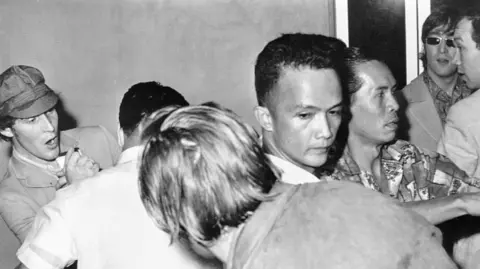
The retribution was said to have included a withdrawal of police protection, the switching off of airport escalators and harassment by intimidating plain clothes security officers.
However, contrary to some accounts, Guerrero said the only documented case of any of the band's entourage actually being physically attacked was driver Alf Bicknell.
Local reports and rumours mistook him variously for Brian Epstein, road manager Mal Evans or even one of the band, he said.
Guerrero said thousands of fans at the airport were there to see the band off safely "or to tearfully regret seeing them subjected to official harassment".
The incident became etched in Beatles history and a "negative narrative" grew, suggesting the wider relationship between the band and the country had been soured forever.
However, Guerrero believes that is a myth and has been vastly overblown.
Penultimate tour
"The Beatles said in their fan magazine after the tour they were pleased with the reception from the fans in Manila," he said.
"And there are still fans in the Philippines who name their children after Beatles songs."
As it turned out, the visit to the Philippines marked the band's penultimate tour.
"What happened in Manila wasn't so much a nail in the coffin more a bag of nails," the author said.
He said they were moving on creatively and becoming tired of being on the road, a month later releasing their album Revolver.
"It was technically more sophisticated and would have been harder to play live given the technology of the time," Guerrero said.
Leigh added: "They just hated touring by then - hence they created a fictitious band, Sgt Pepper.
"They were operating in a new territory and you can see that all the major acts were wondering about what was coming next - Presley, Stones, Dylan."
The president and his wife were also going through a transition - from being described by Life magazine as the "JFK and Jackie of Asia" to Ferdinand and his regime becoming synonymous with corruption and human rights abuses.
Meanwhile, Imelda's massive indulgences became legendary, with stories abounding including her 3,000-strong collection of designer shoes.
It was, perhaps, a meeting between music royalty and Filipino extravagance that was destined never to have happened, Leigh said.
He added: "Looking back of course, the Beatles were glad not to have met the Marcos family."
Listen to the best of BBC Radio Merseyside on Sounds and follow BBC Merseyside on Facebook, X, and Instagram. You can also send story ideas via Whatsapp to 0808 100 2230.
