Safety warning after two men drown in open water

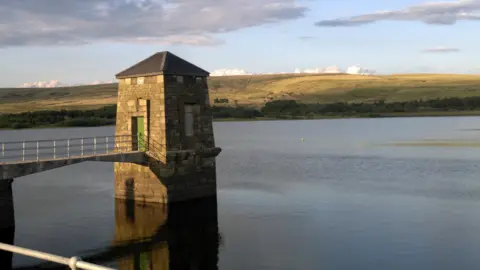 Steven Haslington/Geograph
Safety campaigners are warnings of the dangers of open water and reservoir swimming after the deaths of two men in just over 24 hours in Greater Manchester.
The body of an 18-year-old man was pulled from Dove Stone Reservoir, Oldham, on Friday, while a 49-year-old man's body was recovered from Sykes Reservoir, in Stockport, on Thursday.
Matt Black, a crew manager with Lancashire Fire and Rescue Service, said if swimmers got into difficulties in reserviors, there was often "no escape out of it".
The warning comes after coastguards and RNLI teams in the north-west of England reported a spike in incidents as people flock to the seaside amid the heatwave.
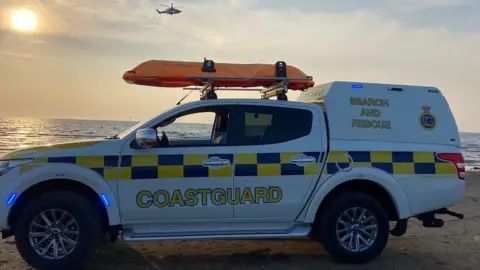 HM Coastguard Wirral
Greater Manchester Police urged people not to be tempted to cool off in open water as high temperatures continue across the North West this week.
The force said reservoirs were "extremely dangerous and are not safe places to swim".
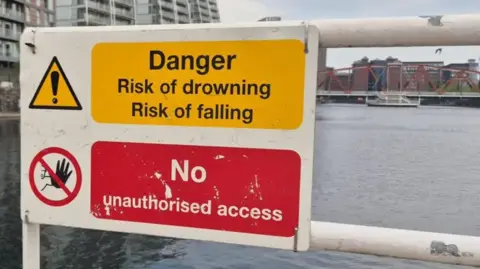
"Reservoirs are clearly signposted and swimming is prohibited, yet incidents continue to occur," it said.
"Even on the hottest days, the water temperature can remain much colder than expected, often only reaching around 12°C to 16°C.
"Cold water shock can happen quickly, affecting your breathing, movement and ability to stay afloat.
"As temperatures rise this week, please stay safe, choose designated swimming locations, and stay out of reservoirs."
Black added: "Because they are not for public swimming, once you are in a reservoir you'll find that there is no escape out of it."
Cheshire Police also warned of the dangers.
"While it might be tempting to cool off in open water and the surface can look safe, it can hide strong undercurrents, shockingly cold temperatures, debris, and disease just a few feet below the surface," the force said.
"Cold water shock can affect even the strongest swimmers."
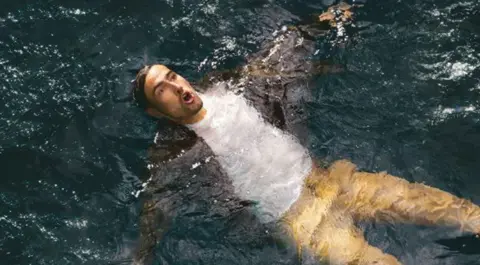 RNLI
RNLIHM Coastguard's Fleetwood crew said the recent hot spell had resulted in a "significant increase" in demand on the coastline.
The team in Crosby, Merseyside, has been busy on its operation beach safe as people head to the Sefton coast.
HM Coastguard Crosby said it was "patrolling its beaches and helping everyone enjoy the coast safely".
Crosby beach is a RNLI red-flagged area, which means water conditions are unsafe for swimming.
Crosby Leisure Centre ran a series of events last month in partnership with the Royal Life Saving Society UK as part of Drowning Prevention Week.
Deputy manager Liam Brown said: "Teaching vital water skills is one of our main goals to prevent drownings especially as we are so near to the beach."
The HM Coastguard's Wirral team also advised people wanting to have a dip, to choose a lifeguarded beach and always swim between the red and yellow flags.
Its team was called to reports of four boys swimming in the River Mersey off Tranmere Oil Terminal on Thursday evening.
It said the youths had just left the water when they arrived and they had been spoken to by members of a sailing club who gave them safety advice.
A spokesperson said: "This is not a safe location for swimming. Entering the water from the end of the jetty puts you a considerable distance out into the River Mersey, where there are strong, fast-moving currents."
Ross Macleod, RNLI safety manager, urged families to talk about the dangers of jumping into open water.
"This could be a conversation that saves lives," he said.
"The sea or open water may look inviting during hot weather, but it remains cold enough year-round to trigger cold water shock, which can cause uncontrollable gasping, increased heart rate, and can lead to panic and drowning very quickly.
"It's best to enter the water slowly to gradually acclimatise."
'Buys valuable time'
He urged people who find themselves in danger to fight the panic instinct and use the "float to live" technique by relaxing and floating on their back, with head tilted back, gently moving hands and legs to stay afloat.
"This buys valuable time to get your breathing back under control, before then calling for help or swimming to safety."
He also warned people not to attempt rescues.
"Instead, remember phone, float, throw - phone 999 or 112 and ask for the coastguard, tell the struggling person to float, throw them something buoyant like a life ring," he said.
He said the safest option was to go to lifeguarded beaches and swim between the red and yellow flags.
"If you can't choose a lifeguarded beach, find out about your chosen beach before you visit - check weather and tide times and read local safety signage," he said.
Read more stories from Cheshire, Lancashire, Greater Manchester and Merseyside on the BBC, watch BBC North West Tonight on BBC iPlayer and follow BBC North West on X.
