'AI sensors are helping make our care homes safer'

 BBC
BBCA trial of artificial intelligence (AI) technology in care homes has shown a significant reduction in falls and ambulance callouts.
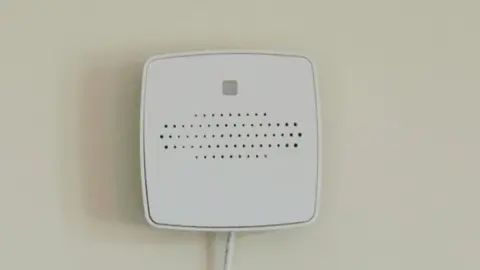
Six care homes across Dorset took part in the pilot that used AI sound and motion-based sensors in residents rooms.
When they detect changes in sound during the night they send an alert to staff via their handheld device - the pilot saw ambulance callouts reduce by two thirds with the need for hospital transfers down by almost 80%.
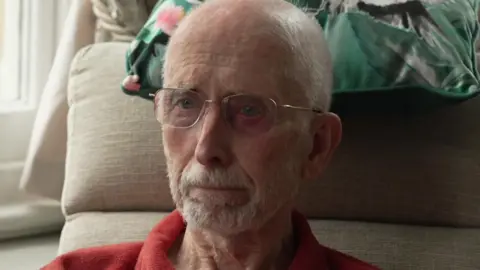
Resident Brian Gundry said when he fell out of bed the sensors detected it and "it was picked up very quickly," he added that "the technology, it's brilliant".
 Ally Cares
The technology picks up sounds and motion that could indicate potential issues, such as signs of distress, choking or coughing, as well as requests for assistance and restlessness during sleep or getting out of bed.
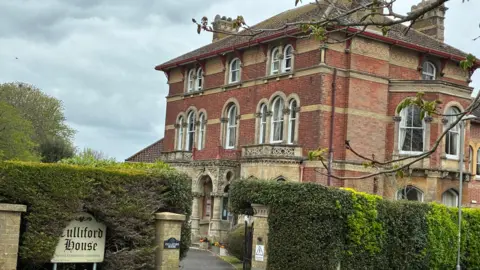
Culliford House residential care home in Dorchester took part in the trial.
Acting Manager Jeanette A'court said it was a "real success" and that even though the trial and funding for it has ended, the private residential home will pay to keep using the AI equipment in future.
"It's enabled staff to be more responsive to people's needs, so if there's a fall, or if there's someone having a seizure, it's brilliant", she said.
A'court said the AI monitors provide "great reassurance" to family members about the care of their loved ones: "When you come to review residents' care, you've got data you can use, you've got real time monitoring that we can feedback with families.
"I think it's that reassurance and peace of mind - that we've got technology now that we can keep people safe and we can be responsive."
Brian Gundry is a resident at Culliford House.
He said when he fell out of bed last year, the sensors detected it and sent an alert to staff: "It was picked up very quickly. When I fell, I must have been trying to get out of bed, I don't know if I tried to get up.
"Next minute there's a carer here. And the next minute, I'm in hospital
"Without them I don't know how long I might have been on the floor. The technology, it's brilliant."
According to Dorset Council, the trial had significant success at five of the six care homes taking part.
- The total number of falls declined by 49.2%, the number of unwitnessed bedroom falls fell by 58.2%.
- Ambulance callouts reduced by 63.7% and transfers to hospitals fell by 79.3%.
Alexandros Gavriilidis, strategic commissioning lead at the council, said AI technology has a big part to play in the care sector: "It has changed the way care is being delivered at night, reducing the need for scheduled checks.
"This leads to better night-time routines, better sleep. And reacting on information provided by the system, is having a very positive effect on residents' wellbeing and sleep patterns."
The cost of the trial was met by the government's Digitising Social Care Digital Transformation Fund which ran up to March 2025.
A spokesperson for Department of Health and Social Care said: "We will look to deliver guidance and standards for the care sector to make clear which of these [technologies] are fit for purpose, so all care providers can invest in and benefit from technology in the long term."
The spokesperson added that more details about phase 2 of the project will be set out in due course.
Thomas Tredinnick, CEO of Ally the company that developed the sensors, said the system "wasn't about replacing care teams" but gave "teams better visibility at night, so they could respond earlier, reduce harm and protect residents' rest".
You can follow BBC Dorset on Facebook, X, or Instagram.
