My dad died when I was 12 - I spent my childhood pretending nothing was wrong

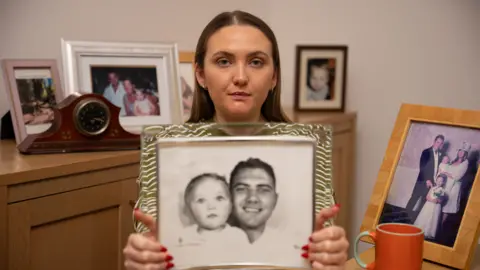 Mei Lewis
After the sudden death of her father, Chloe Cooper felt like she was the only person in the world feeling such intense grief.
But her younger brother was actually jealous of her - as he believed she'd had more time with their dad.
An estimated 46,300 youngsters a year, or 127 a day, lose a parent, according to Child Bereavement UK.
Thirteen years after losing their father, Chloe and brother Ethan have spoken to mum Cheryl in detail for the first time about the loneliness they felt in childhood as part of BBC Wales documentary Growing Up With Grief.
"The only adjective I have to describe grief is weird - it's really complex," said Chloe, from Aberdare, Rhondda Cynon Taf.
"I felt so lonely growing up and I thought I was the only person that was going through what I was going through.
"I grew up feeling like I couldn't talk about dad, death or grief - I didn't even know what to say and I think the people around me didn't know what to say either."
The loss of their father Anthony was sudden and unexpected, as he suffered a cardiac arrest when he was 35, she was just 12.
Reflecting on the instant, life-changing moment, Chloe, now 25, remembers thinking she couldn't talk about her dad, and she ended up acting like nothing had happened.
According to Child Bereavement UK, one in 29 - at least a child in every classroom - has lost a parent or sibling.
Sadie James from the Sandy Bear bereavement charity believes children can often grieve a number of times for the same person as their understanding changes as they grow older.
Chloe, who now lives in east London, remembers wanting to return to school quickly, and trying to act normally.
She recalls classmates offering condolences, and she would reply: "What do you mean? I don't understand."
While teachers were really nice and gave her space to grieve, she believes the system wasn't cut out for support, adding: "We can't expect them [children] to know how to express how they feel.
"To give them the privilege of conversation and literacy and language around death and around grief is really important."
Looking back, she realises she didn't speak about her grief, because she didn't know how - or wasn't ready.
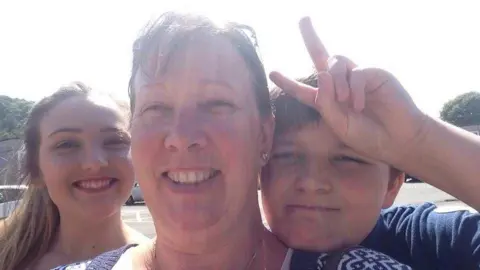 Chloe Cooper
It wasn't just the emotional side, though, but financial too.
"I remember it being very sudden - you go from two incomes to one," Chloe recalls.
The family had to sell their caravan, and she helped out by giving dance classes and working in the tuck shop of the youth club where he mother worked.
"I was 12, and I think it makes you grow up quicker," she added.
On top of that, Chloe would pick her brother up and cook dinner.
But there was support - every year from 2014 until Covid hit, Anthony's friends got together to raise money through a charity football match.
The Cooper Cup paid for Ethan's driving licence and extra A-level tuition, and for Chloe to go to university.
Lamenting the lack of official help, she added: "It had to come from loved-ones, friends and family, which is really sad."
 Chloe Cooper
The loss had an equally devastating effect on Chloe's mum and brother.
Cheryl explained how she tried to get her children help - but was simply given a leaflet that explained what happens when someone dies.
She also had to give up her evening job in the youth club to look after the children, and get a full-time job to support them.
Ethan, who is four years younger than Chloe, said he feels like he only knew "one side" of his dad, and the hardest part about losing him was all the things they subsequently missed out on doing together.
"I've always been jealous you had more time with him… I still am," he said to his sister.
How do people grieve?
Grief looks different for everyone but there are common patterns, Sadie James, from the Sandy Bear bereavement charity said.
She explained how young children often struggle to understand death and may think the person will return.
Older children, usually from seven upwards, can feel isolated or "quite jealous" of peers who haven't experienced loss, and grief can deepen as understanding grows, Sadie added.
"I think you can grieve several times for the same person because you're understanding changes," she said.
"So, often, we can discharge someone at seven - they may come back to the charity at 14, because they've got a new understanding of what grief means."
She believes memory activities or writing letters to loved-ones helps, adding: "They'll never see it but it's therapeutic."
She added open conversations also help, and adults shouldn't fear causing tears as grieving children want "their special person to be remembered, and they want to have someone to talk to".
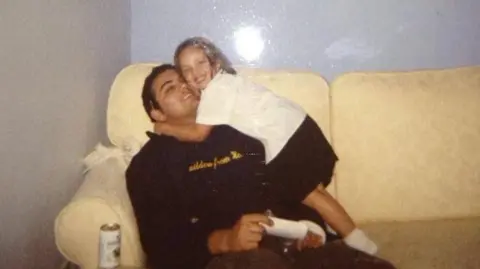 Chloe Cooper
Chloe described her grief as constant but ever-changing, moving between denial and acceptance rather than following a "linear" path.
She feels losing someone young forces you to grow up quickly and "understand life a bit differently", adding: "It just puts everything into perspective."
Her grief hits when she thinks about her future, wishing her dad could be part of it.
Despite the loss, Chloe said she is "really grateful" for the "beautiful short time" they had.
She keeps his memory alive by sharing his stories.
