Petrol thefts surge as Iran war pushes up fuel costs
Petrol theft has surged by 62% compared with a year ago, according to new figures compiled for the BBC, with one forecourt owner saying drive-offs are costing him £2,000 a week across his five sites.
The data from fuel theft recovery company Pay My Fuel comes as petrol and diesel retailers say their staff have also faced a jump in abuse because of high fuel prices caused by the US-Israel war with Iran.
Since the conflict began, the cost of filling a typical family car with petrol has risen by £14, while a typical tank of diesel has gone up by about £27.
The government said fuel thieves "must face the full force of the law" while police said forces were taking a proactive approach to the issue.
Josh, a petrol retailer with five garages in the south of England, said he was experiencing about five drive-offs a week now at each garage, whereas it was previously one or two.
He shared CCTV footage with the BBC which shows the drive-offs happening at all times of day, and at varying costs to his business.
One evening a motorbike carrying two people pulls up. Footage shows the two remain on the bike as the driver puts £14.97 worth of fuel in the tank before driving off.
In another video, the driver of a white van fills up with £151.53 worth of fuel before driving away during the morning rush hour. In a third incident, the driver of a white Porsche SUV puts £75.15 of fuel in her vehicle in the middle of the afternoon, and also fails to pay.
While some of the drive-offs were people with no means to pay, Josh said most was just "pure theft".
"There just seems to be a sort of public acceptance now that theft is okay," said Josh, who did not want us to use his surname because of the abuse he said forecourt staff had been facing.
"I'm sure there is a percentage of people that are doing it out of desperation, but the large majority is organised, pre-planned."
According to data from Pay My Fuel. the number of drive-offs experienced by an average forecourt each week has risen from 2.1 in March 2025 to 3.4 in March this year - an increase of roughly 62%.
The firm, which has systems across 1,400 forecourts to help recover stolen funds, said the average value of a drive-off had risen by 46% over the same period.
"It's a lot worse," said the firm's director, Ian Wolfenden.
"An average drive-off for one of our customers used to be £56, and now it's gone up to £67. So if you consider they're losing nearly £70 every two days, it's not insignificant."
Wolfenden added the problem was three or four times as bad in less affluent areas, highlighting east and south east London, Glasgow, Manchester, Leeds and Birmingham as particular problem areas for drive-offs.
Gordon Balmer, executive director of the Petrol Retailers Association (PRA), said the increase in the price of fuel since the war began had led to a "noticeable increase" in fuel theft.
He said some of the theft was "obviously organised crime", but other instances were people who said they had forgotten their wallet or purse.
"Some of that could be due to the cost of living," Balmer said.
'Need to cushion losses'

 Rachael King
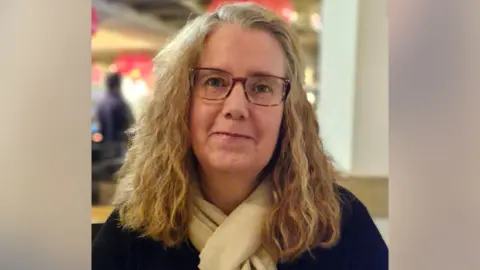
Rachael King is the forecourt manager for three petrol stations in Gloucestershire.
She told Wake Up To Money she too has seen an increase in drive-offs, which could result in pushing fuel prices up even further.
"If people continue to do it, it will affect the forecourts, as in the price of fuel, because obviously as a forecourt you try and sell your fuel price fairly.
"But also if you're getting these massive hits from drive-offs you've got no option but to keep your prices a little bit higher to cushion the losses."
She added that people may think that petrol stations can "afford the hit" but that is not the case for independent operators.
The head of the National Business Crime Centre, Superintendent Lisa Maslen, said fuel theft continued to "place a significant and unacceptable strain on fuel retailers, impacting businesses financially and placing additional demand on policing resources".
She said police forces were taking a "proactive approach to tackling this issue, working to identify offenders, disrupt repeat behaviour and ensure those responsible are held to account".
The police were boosting collaboration with fuel retailers and cost recovery agencies to help identify patterns and target repeat offenders, Maslen added.
A government spokesperson said: "Fuel theft undermines businesses and their workers. These thieves must face the full force of the law."
They urged anyone who had witnessed such a crime to report it to police.
Profiteering claims 'not helpful'
While the price of fuel came down slightly over the weekend, the RAC said the cost of petrol remained 19.2% higher than at the start of the war, and diesel remained 34.5% above pre-war levels.
Balmer said those increases had been particularly tough for forecourts that bought fuel on a daily basis and had to reflect the higher cost immediately, which had led to some abuse of staff.
The PRA said the abuse had been fuelled by the government's "frustrating" accusations of price gouging and profiteering, which Balmer said had not been helpful.
Last month, the government said the competition watchdog was primed to step in if there was evidence of price gouging at the pump.
At the time, retailers hit back at what they said was "inflammatory language", but Josh said people seemed to "genuinely believe it".
"Our staff are seeing quite a lot of abuse," he said. "They've had people calling them thieves, shouting at them, it's quite intimidating for these guys - they don't come to work to be shouted at."
More than half of the pump price of fuel (55%) is tax, and Balmer said in reality retailers made a "very slim margin".
The government said: "Any form of abuse against someone simply going about their day-to-day work is completely unacceptable."

Get our flagship newsletter with all the headlines you need to start the day. Sign up here.
