UK puffin population down 25% since 2000

 RSPB
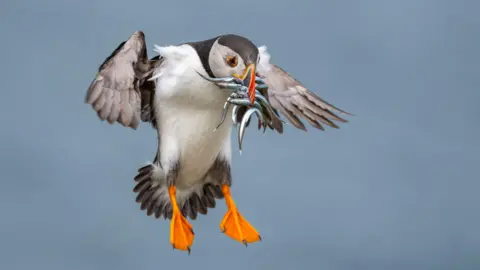
RSPBUK populations of puffins have fallen by 25% since 2000 despite continued attempts to protect them, the RSPB said.
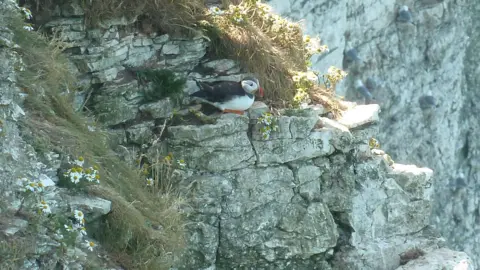
World Puffin Day, on 14 April, coincides with the time of year when puffins and other seabirds return to Bempton Cliffs in East Yorkshire, home to the UK's largest mainland seabird colony.
Dave O'Hara, reserve manager at Bempton Cliffs, said the main issue was the availability of sandeels in the North Sea.
"Sandeels may be small, but they sit at the very heart of the North Sea food web. Without them, seabirds like Puffins and Kittiwakes simply cannot raise their chicks successfully," he said.
The RSPB said sandeel populations had been under intense pressure for decades due to unsustainable industrial-scale fishing, climate change and wider pressures on the marine environment.
Following years of campaigning by the charity and its supporters, the UK Government announced the closure of industrial sandeel fishing in English waters of the North Sea in January 2024, with the permanent closure coming into effect in the spring of the same year.
RSPB's director for conservation, Katie-Jo Luxton, said: "We cannot take the arrival of puffins and other seabirds back to our shores for granted.
"Our seabirds face many pressures: overfishing and climate change affecting food availability, poorly planned offshore marine development excluding them from key habitats and the ongoing impacts of bird flu."
 Gary Pickles
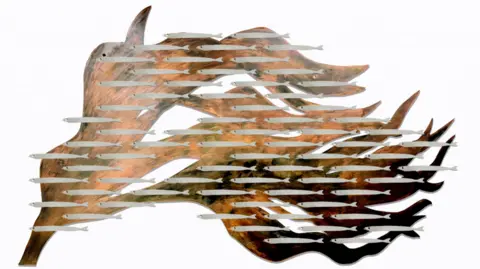
A bespoke sea kelp and sandeel sculpture has been installed in the visitor centre at RSPB Bempton Cliffs as part of a fundraising effort for seabird conservation.
O'Hara said: "This sculpture is a way of telling that story — of hope, of recovery, and of the people who have campaigned alongside the RSPB for decades to protect these birds.
"Healthier sandeel populations mean healthier chicks, and that gives Bempton's seabirds a fighting chance for the future."
 RSPB
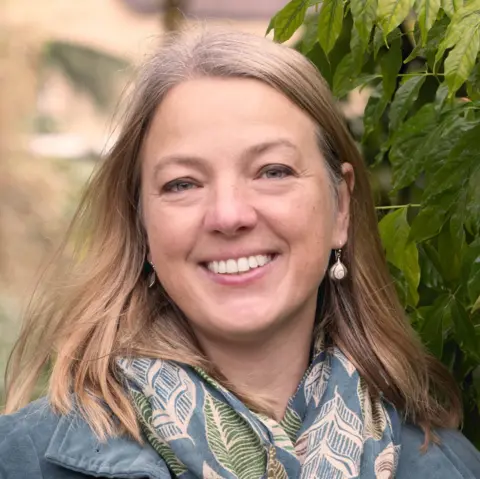
RSPBWorld Puffin Day cooincided with the launch of RSPB's "Save Our Seabirds" campaign.
The charity said it hoped to raise £250,000 to support its Marine Recovery Programme.
The most recent seabird census, published in November 2023, found more than half the seabird species breeding on British and Irish coasts had declined over the last 20 years.
About one in four Puffins had been lost from the UK's seabird colonies since 2000.
Luxton said: "Our new campaign will go towards our world-leading science, helping us to save our precious seabirds, while we still have the chance."
Listen to highlights fromHull and East Yorkshire on BBC Sounds, watch the latest episode of Look North.
Download the BBC News app from the App Storefor iPhone and iPad orGoogle Play for Android devices
