GPs warn of impact of blood lab strike on patients

 BBC
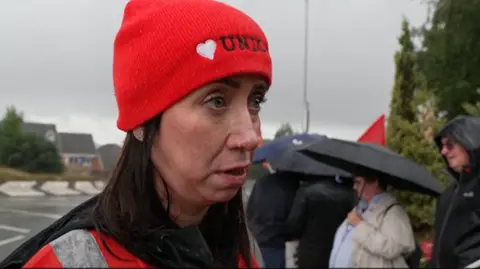
BBCNHS blood scientists who have been on strike in part of east Lancashire since June have said they will carry on with their action despite doctors reporting an impact on patients.
The members of the Unite union at the Royal Blackburn and Burnley General hospitals first walked out in June in a dispute over holiday pay and have been on strike every weekday ever since.
They have already escalated their protest by withdrawing urgent and emergency blood test cover.
The health trust said it was covering such tests with other staff but GPs at 68 practices said they were struggling to get routine tests done. NHS England said a decision was due soon.
Natasha Savage, a nurse associate at Oswald Medical Centre in Accrington, said they were running at 50% capacity at the moment due to the strike.
The surgery said it had had to halve the number of blood tests it carried out because it was unable to get samples analysed, but this proportion changed weekly.
The practice's senior business development manager, Rita Naylor, said it had been "horrendous" with "bookings, rebookings, cancellations, rebooking again and it changes constantly".
A tribunal has already backed one blood test employee's claim over how holiday pay is calculated and union members at the Royal Blackburn and Burnley General hospitals said they now wanted this to apply to everyone.
Unite north west regional officer, Helen Flanagan, said: "The workers here are absolutely devastated that this has gone on for so long.
"We've been trying before the strike, during the strike, every week, almost every day trying to get the employer to negotiate with us.
"We've been trying everything we can, but they're just not willing to."
Tests 'keep patients safe'
One striking union member on the picket line told BBC North West Tonight: "It's about the principle of standing up for what should have actually been paid correctly to us, so we're not asking for more.
"We're asking for what should have been paid fairly from the beginning."
Another said: "We spend our lives working nightshifts, working weekends and in order to take a day off I have to take a pay cut and that's not right."
Talking about the impact on patients with chronic conditions such as heart disease and diabetes, Dr Rakesh Sharma, vice chair of the Pennine Lancashire Local Medical Committee, said "blood tests are a major tool to keep our patients safe".
The blood scientists' employer said its hands were tied, with services controlled centrally by the NHS trust that runs the Royal Preston and Chorley Hospitals and they had been asked by NHS England not to come to a local agreement with the strikers at the moment.
This was due to concerns that this could then act as a blueprint for other similar workers in different parts of the country.
Listen to the best of BBC Radio Lancashire on Sounds and follow BBC Lancashire on Facebook, X and Instagram. You can also send story ideas via Whatsapp to 0808 100 2230.
