I worked in McDonald's for 10 years - what I learnt helped me become a midwife

 Cwm Taf Morgannwg health board
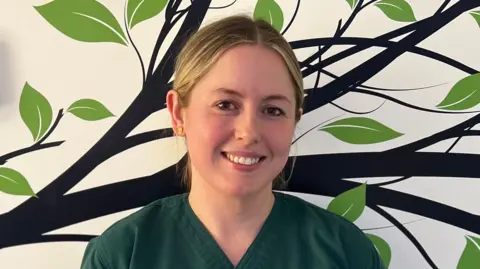
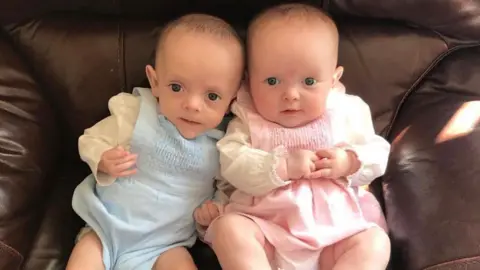
Giving birth to twins cemented Lucy Wall's ambition to become a midwife.
But after leaving school, it would be 10 years until she was able to begin training for her dream job of delivering babies.
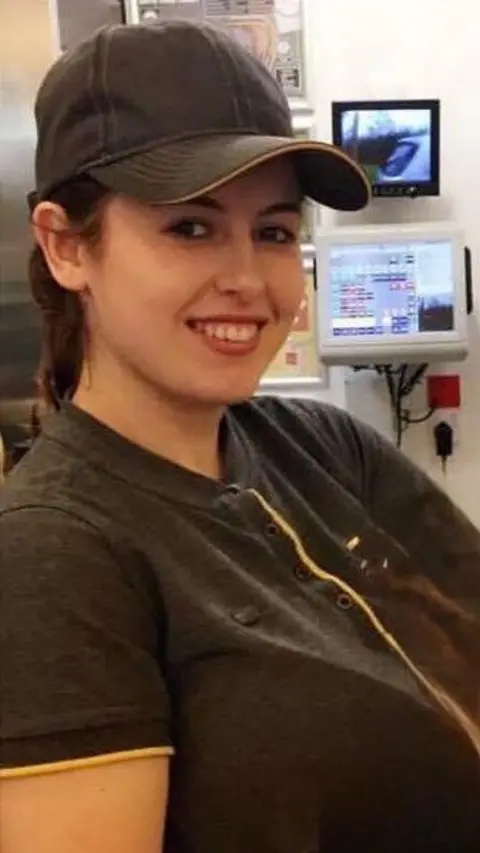
She credits the transferable skills she picked up in customer service working at McDonald's for landing her a role as a healthcare assistant in the maternity ward of Prince Charles Hospital in Merthyr Tydfil.
Now, three years on, the 31-year-old is in her first year training to be a midwife, while still working alongside some of the team who delivered her own twins.
"In McDonald's you see all sorts of ages and abilities and I was able to connect with infants all the way up to the elderly, plus those with additional needs," she said.
She joked that her chatty nature was less suited to the drive-through as she'd hold up the flow of cars, but she managed to tweak her role at the chain to land her first job in the NHS.
"I was applying for jobs within the health board, but I'd get feedback saying I lacked NHS experience."
So she asked her managers if she could formalise a role she had been providing, supporting vulnerable customers, and turn it into a secondment.
"It was after that secondment that I applied for the new maternity healthcare assistant role at Prince Charles Hospital - I do think that's what changed my CV."
 Lucy Wall
Ten years to the day after starting at McDonald's, Lucy joined the NHS in her home town of Merthyr, supporting "the mothering journey" for those on the maternity ward, both pre and post-labour.
In September she started her midwifery course, but said her hands-on experience as a healthcare assistant had enabled her as a dyslexic person to better understand the academic side of her three-year course.
"It's lovely to be able to support women," she said. "There's a lot of people who come through the door - in a health setting, McDonald's, or wherever you go - we don't know what the situation is at home, and maybe it's not the family set up that others have got.
"So being able to support them in a way that they feel special, valued and looked after in this environment is really nice."
Lucy's own pregnancy also gave her a rather unusual insight, as eight-year-old daughter Aurora was delivered vaginally, but a placental abruption meant her twin, Theo, was delivered via emergency Caesarean.
"I've been in that vulnerable position when I've had to put my care into someone else's hands," she said.
"I work now with a lot of people that supported me during my time. I still get emotional sometimes speaking to them."
 Lucy Wall
A report into maternity services published earlier this year found there were insufficient staffing levels across Wales to meet the rapid rise in Caesarean births, with a promise by the then-government in Wales to redevelop workforce plans.
At a time when trainee nurses and paramedics in Wales have struggled to find posts in an NHS that is financially constrained, the executive director of nursing and midwifery at Cwm Taf Morgannwg health board, where Lucy works, said there would always be a need for midwives.
Richard Hughes said student midwife posts were still being commissioned but the broader context had changed over the last 18 months.
"We've got nurses and midwives staying in employment longer than they traditionally would have done," he said, explaining that some had retired and returned to clinical roles.
"That's a positive in that we're retaining the experience to support new midwives coming through, but it also then means that we've got less free space in order to bring new midwives online."
He said health boards worked with the government and HEIW (Health Education and Improvement Wales) to ensure accurate numbers of training posts are commissioned, but further change could come as a result of the recent maternity assessment in Wales.
The rise in caesarean rates across the UK means health boards across Wales also need to consider "what does our workforce need to look like, in order to support that?" he said.
"Our midwives today are working in a high risk profession - the stakes are high," he said.
"They carry that burden every single day and they manage to support families where things haven't gone right and where they're going through some really difficult times.
"But they're also there to help and support families in celebrating some really joyous occasions."
