How the changing face of farming is reflected in Scotland's election

 Getty Images
The rural vote is a significant, but often overlooked, constituency in Scotland.
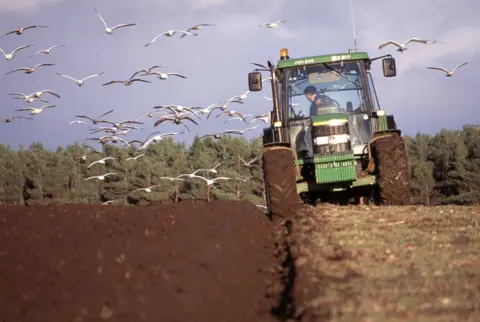
Farmers and crofters are going through a decade of significant change, some of it brought about by the UK's exit from the European Union.
The role of the sector has also been shifting - from purely being producers of food to becoming guardians of our countryside, protecting nature and mitigating climate change.
And the question of food security has never been far from the minds of those in the industry.
Many people give little thought to how our food makes it to the supermarket shelves - until the prices start to go up.
But that's what has been happening in recent weeks as the war in the Middle East has made its presence felt on our weekly shopping bills.
Food production grabbed attention when the SNP launched its election manifesto with a pledge to cap staple food prices so that eating healthily can be affordable.
Farmers, whose margins have long been squeezed by the mass buying power of the big supermarkets, fear they would be the ones who would have to absorb those price constraints.
The Scottish government currently provides about £660m in support for farmers in a system that was originally meant to keep food prices down.
About 67,000 people work in agriculture in Scotland, according to the Scottish Agricultural Census.
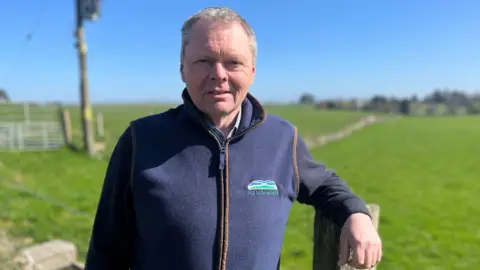
Andrew Connon, the president of National Farmers' Union (NFU) Scotland, farms sheep, cattle and barley near Ellon in Aberdeenshire.
"We can deliver so much, way more than just quality food," he says.
"We can contribute to biodiversity, nature and climate change mitigation if we've got a fully functioning, sustainable and profitable sector."
The farming union wants the next government to commit to an increased budget for agriculture.
It also wants a promise to ringfence money across multiple years, as happened when farm support came from the EU's Common Agricultural Policy. It could sometimes guarantee funding up to eight years in advance.
 Getty Images
Following Brexit, that system has been changing to one administered by the Scottish government. The scheme has just been redesigned, with the changes being implemented during the next parliament.
In 2031, the final year of the parliament, emphasis will shift slightly - away from supporting food production and into more support for nature and the environment.
The six larger political parties were asked by Radio 4's Farming Today programme how they would assist farmers during that transition.
They all agreed on the need to support the sector.
The SNP said there needed to be a "measured transition to take into account the needs of the environment... which is an important balancing act".
Labour said it would place a cap on direct payments for the largest farm business and redistribute the cash to smaller producers.
The Scottish Greens would shift payments so those who produce food in "nature-friendly ways" receive the greater share of farm subsidies, while the Conservatives would boost farm support by "at least" £50m and set multi-year funding settlements.
The Lib Dems promised ring-fenced funding deals for three years and Reform UK said it would overhaul farm payments "to support active farmers" so they are able to invest.
However, there isn't just one farming style in Scotland.
For 140 years, much of the land in the Highlands and Islands and in Argyll and Bute has been tended by crofters.
The Crofting Commission estimates there are about 21,000 crofts, supporting about 30,000 people.
The last action of the outgoing Scottish Parliament was to pass the Crofting and Scottish Land Court Bill, a largely technical piece of legislation which - among other things - makes it easier to keep crofts within families.
But with that bill came a promise to review the legislation around crofting.
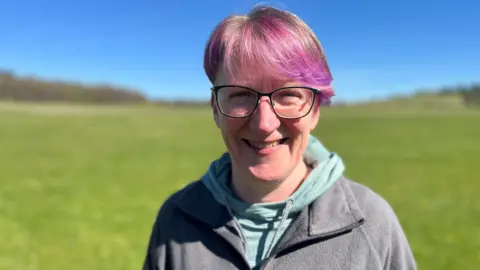
"We're seeing a rise in the price that crofts are going for," said Donna Smith from the Scottish Crofting Federation.
"Traditionally, that wouldn't have been a thing. Crofts would have changed hands for small amounts of money, maybe the agricultural value of the land - whereas now they're being seen much more as a development opportunity."
 Avalon/Getty Images
In some areas which are popular with tourists, the prices being demanded are blocking young people from entering crofting.
There have even been examples of people moving in and not realising they are buying a croft, which comes with a legal obligation to put the land to productive use.
Crofting is a traditional way of life, but the way they operate has been modernising. More people are diversifying their income and there is less emphasis on rearing livestock on common grazing land.
The main parties agree that crofting is a part of Scotland's culture which needs to be protected.
The SNP says a Rural Renewal Bill would, among other things, revitalise support and opportunities for new entrants, while Labour says its cap on direct support payments for larger businesses would free up additional cash for crofters.
The Conservatives say they would encourage both crofting and tourism while the Greens say they recognise there are issues around land changing hands.
The Liberal Democrats promise a review on crofting within the first year of parliament while Reform UK says it will look for cross-party consensus to help crofting communities thrive.

Compare policies on the key issues
We have compiled a simple summary of where the main parties stand on the issues most important to voters, based on the promises they have made during the election campaign.
Click on this link - Who should I vote for? Compare party policies - and select an issue to see their policies.
You can also use the postcode search below to find out who is standing in every seat at the election on 7 May.
