Badger cull ends as move to vaccination considered

 PA Media
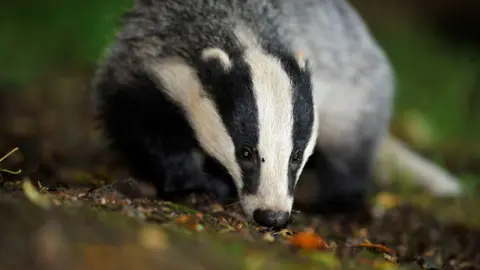
Badger culling has effectively ended in England, the government has confirmed.
The practice was widely used in farming to control the spread of bovine tuberculosis (TB), which resulted in the slaughter of more than 270,000 cattle in the last 10 years, according to government figures.
The last badger culling licence, which was granted in Cumbria in 2024, expires in 2028, but the Department for Environment, Food and Rural Affairs (Defra) said it was subject to an annual authorisation from Natural England, and no decision had been taken to authorise culling under the licence in 2026.
The Badger Trust said the move was "good news for badgers" as culling was not an effective way to tackle bovine TB.
The trust's chief executive Nigel Palmer said: "You can't solve a disease in one animal by killing another animal."
The government said it was planning to move towards vaccinating badgers to control the spread of TB, but development of a vaccine for cattle was still under way.
"Until they address the problem in cattle, which is where the problem lies, they're not going to get on top of it," Palmer said.
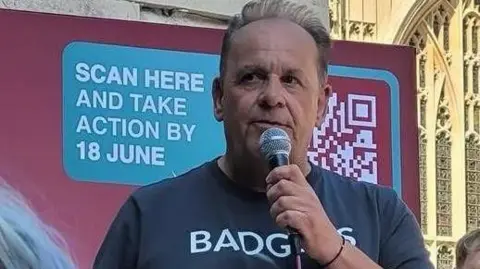 Nigel Palmer
The National Farmers Union (NFU) said badger culling had been effective in controlling transmissions, together with other measures such as cattle testing and movement control.
NFU president Tom Bradshaw said a decision to end wildlife control when effective cattle vaccination and testing were not expected to be available until 2030 left "gaping holes" in TB control policies.
He said: "There needs to be much greater urgency, attention and investment given to TB eradication. We still believe a comprehensive approach is the best way to eradicate this terrible disease."
Defra said the most recent data showed 5% of tested badger carcasses were positive for TB in 2024.
It said cattle testing and surveillance had always been "the foundation" of its strategy and a new plan to control TB was expected to be announced soon.
"Bovine TB remains one of the most difficult and persistent animal health challenges, causing devastation for farmers and rural communities," a Defra spokesperson said.
Cumbria Wildlife Trust said bovine TB took a "horrendous toll emotionally and financially" on farmers and they were "very keen" to see the government develop a vaccine for cattle.
"We share a lot of sympathy and empathy with the farmers who are affected," Cumbria Wildlife Trust's chief executive Steve Trotter said.
He added wildlife organisations would be open to working with Defra on a scheme to vaccinate badgers.
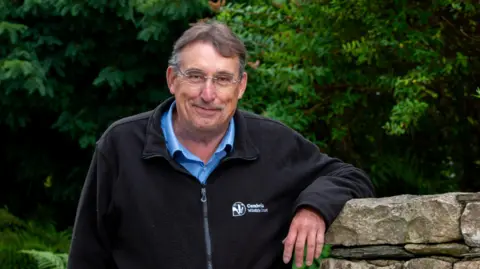 Cumbria Wildlife Trust
Both the Badger Trust and Cumbria Wildlife Trust said they were concerned a culling licence remained potentially active in Cumbria, despite Defra's reassurances.
"It's very confused messaging," Palmer said.
"We would rather see them end all licences and actually focus on supporting farmers and supporting them to get on top of this terrible disease."
The Hunt Saboteurs Association, which opposed badger culling, said the practice had been a "disaster" for the environment and it was important to ensure it would never happen again.
Chairman Simon Russell said: "We need to step away from this attitude that as soon as we have a problem with any form of wildlife the answer is to kill it - we need to see that - at best - as the very last resort."
