Bristol Freighter 170 plane to undergo restoration

 Aerospace Bristol
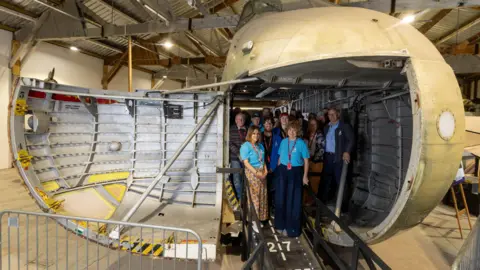
A major conservation project is set to restore a historic freighter, believed to be one of the last surviving aircraft of its kind.
The Bristol Freighter Type 170 was designed and built in the late 1940s and early 1950s by the Bristol Aeroplane Company as a pioneering post-World War Two cargo aircraft.
The project's plane is one of just 12 freighters still in existence, and the only one remaining in Europe, project leaders said. It returned to Bristol in 2018 following an international recovery effort.
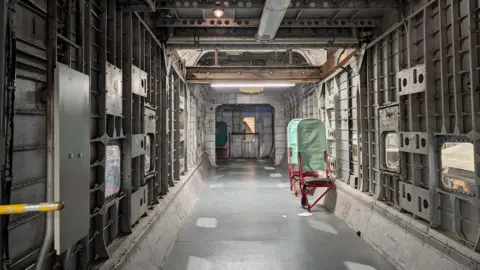
The freighter would be gradually dismantled, restored and reassembled by volunteers at Aerospace Bristol over the coming years as part of a live conservation display, project leaders said.
The public could visit and see the project unfold, with the first stages of the work under way and plans for it to be displayed outside by the end of summer, they added.
 Getty Images
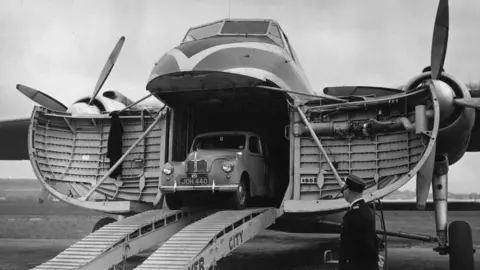
With its distinctive clamshell nose doors and 32m (108ft) wingspan, the plane was capable of carrying cargo ranging from vehicles to livestock.
It was later adapted for passenger travel under the name the Wayfarer.
The aircraft would be moved from its current museum hangar to be displayed outdoors once its wings are reattached, project leaders said.
The final phase of conservation would include extensive corrosion removal, weatherproofing and a long-term conservation plan to ensure its protection, they added.
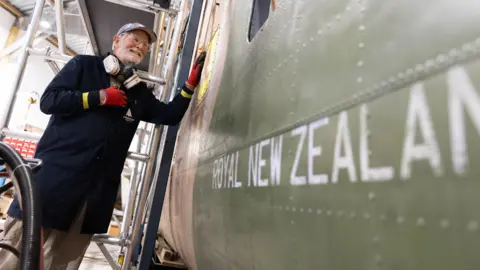
The project is being delivered by a team of between 20 and 50 highly-skilled volunteers, many of whom are former aerospace engineers and ex-employees of the Bristol Aeroplane Company.
 Aerospace Bristol
Kate Rambridge, interpretation lead at Aerospace Bristol, said: "This is a once-in-a-generation opportunity to conserve and share the story of an extraordinary aircraft.
"The Bristol Freighter connects Bristol's world-leading aviation heritage with global histories of innovation, conflict and travel.
"This project enables us, not just to conserve this aircraft, but to bring those stories to life for new generations."
Sally Cordwell, chief executive at Aerospace Bristol, said the ambitious project represented everything the museum stood for.
"It's about preserving our history, celebrating the contribution and stories of the people behind Bristol's aviation legacy and inspiring future generations," she said.
 Aerospace Bristol
The freighter was the first post-war aircraft to receive an unrestricted Certificate of Airworthiness and played an important role in advancing aviation technology and operations worldwide.
The aircraft being restored served with the Royal New Zealand Air Force's No 41 Squadron from 1955, operating across south-east Asia during the Cold War and Vietnam War era in the 1970s.
Having spent decades in storage in New Zealand since its last flight in 1977, it is now being slowly brought back to life next to the very location it was originally designed and built, project bosses said.
Follow BBC Bristol on Facebook, X and Instagram. Send your story ideas to us on email or via WhatsApp on 0800 313 4630.
