Siesta then fiesta: Enjoy Europe like the locals

 Alamy
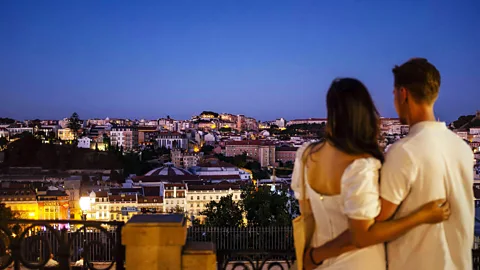
AlamyAs temperatures soar across Europe, travellers are skipping the hottest hours and discovering that the continent's best summer experiences happen after sunset.
When Dane Maxwell's carefully planned Seville itinerary was nearly derailed by a three-day heatwave, he made a choice that ended up defining the trip: "We flipped to the local rhythm."
That meant sleeping until 11:00 and lazy breakfasts through to 13:00. He worked indoors during peak heat – a suffocating 44C (111F) – and took dinner from 20:00 before venturing into the Spanish city from midnight to 02:00. The midnight window proved to be the most memorable. "The streets were full but unhurried. The Cathedral exterior was lit and almost empty of tourists. The local tapas bars were at their liveliest."
With Europe's heatwave season falling early this year, Maxwell and his friends are part of a different wave: noctourism. The traditional, revered European summer holiday has become not just uncomfortable but potentially unsafe. Italy has already issued its first red alert warning people to stay out of the Sun, while both France and Portugal have seen new highest temperature records set for May. This summer promises to be hotter yet.
"We are seeing a real shift toward noctourism (nighttime tourism) as travellers look to reclaim their holidays from the midday heat and avoid daytime crowds," says Tricia Handley-Hughes, the UK & Ireland managing director at travel agency InteleTravel. "The traditional 10:00 to 16:00 sightseeing window is being traded for stargazing, night markets and moonlit tours."
Like the locals, smart summertime travellers are staying indoors during the hottest parts of day and venture out after dark for night-focused activities, ranging from organised nighttime city walks to dinners that stretch towards midnight. While they're at it, they're sidestepping the overtourism that can shape sightseeing in Europe.
 Alamy
AlamySiesta, then fiesta
With average summer temperatures of 36C (97F), Seville is one of the premier examples of European cities working to make the summer months more bearable for residents and tourists alike.
Shade canopies now stretch across parts of the historic centre from May until autumn, with the city aiming to plant around 100,000 trees by 2039. In 2022, the city welcomed CartujaQanat, an urban climate adaptation project that utilises an underground canal network, shady public spaces and water misting to help cool outdoor public spaces by up to 10C.
While the city is engineering cooling infrastructure, locals know that the best antidote dates back generations: the siesta.
"The siesta is not only because you need to rest, but also to keep away from the heat. It can be 40C (104F) at 16:00 and that's really not the best time to be outside," says Saida Segura from the Sevilla City Office.
A 30-year Seville resident, Segura says summers there have never been cool, but that doesn't mean the city goes into hiding. "Everything still happens, but just a little bit later in the day."
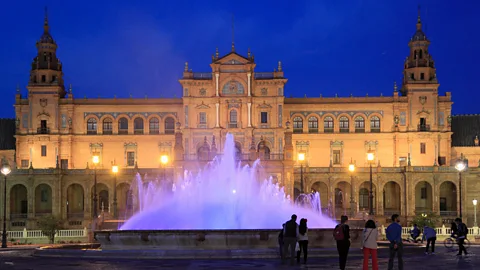
Remote worker Becki Rendell wasted little time slipping into a later tempo when she moved from the UK to Seville six years ago. Now, one of the things she loves about her adopted city are the night picnics that start around 20:00. Habitually held by residents and visitors along the banks of the Guadalquivir River, these gatherings have become a regular feature of her social life. "We've had singing sessions, someone giving a short yoga session, a small circus act and more."
 Alamy
AlamyAll ages embrace the cooler hours, she says. "You'll see children playing in the park, while adults are having a beer well after 23:00. The city still feels alive and safe, even at midnight on a weekday."
Those European summer nights
Other European cities are following suit. Rome regularly experiences 35C (95F) temperatures in July – and often feels hotter on the city centre's narrow streets. Last year, Rome's Mayor Roberto Gualtieri announced plans to plant 800,000 trees in the Italian capital, in part to fight climate change.
Plan your night trip:
Lisbon: Capture night lights on your camera with Aperture Tours' three-hour Lisbon Night Photo Tour, led by a professional photographer.
Rome: Join Roma Star Bike for a three-hour guided e-bike tour that passes all Rome's major sites after dark.
Florence: Tour operator Tuscany Flavor offers Sunset Food and Wine Walking Tour that threads together experiences like aperitivi in lively piazzas and cheese tastings at buzzy bottegas.
Madrid:Adventurous Appetites runs evening tapas tours from 20:00 to 23:30.
Athens: Experience the Athenian nightlife like a local with a three-hour Alternative Athens Athens Night Tour.
Paris: Let Pinky Tour Paris chauffer you around the City of Light all lit up at night in a vintage 2CV.
The heat caught Australian traveller Tamara Richardson off guard as soon as she landed in Rome with friends in July 2025: "The first day, we went to visit the Vatican Museums in the late morning and realised it was far too hot during the day, so we adjusted our plan." The group visited monuments first thing in the morning, returned to their hotel to rest or work, then ventured out again around 19:00.
One evening, they purchased tickets to Mozart's Don Giovanni as part of the Teatro dell'Opera di Roma Caracalla Festival, which holds its lavish annual productions under the stars, starting at 21:00.
"There's nothing like sitting in the Roman Forum at night listening to Mozart," she says. "The atmosphere was perfect, there were no lines or waiting around in the Sun, the cooler temperatures allowed us to soak up the city and culture."
 Alamy
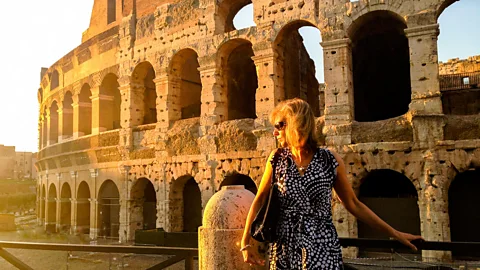
AlamyWithout realising it, Richardson had adopted what local Lisa Zacchia says is Rome's "choreographed" relationship with summer heat.
"Romans essentially split the day in two: an early morning window before 11:00, then the city slows down for the riposo, Rome's version of the siesta," Zacchia says. While work commitments means the practice is not as widespread as it once was, what has never been threatened is the passeggiata, a slow evening stroll. "Romans pour into the streets at sunset; the passeggiata is essentially a heat tradition disguised as a social one."
More like this:
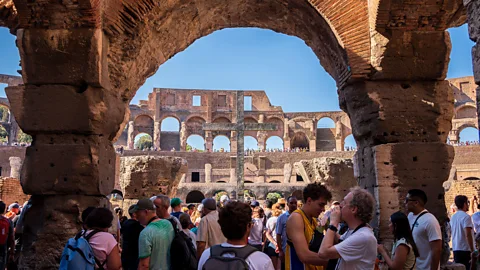
Open-air cinema along the Tiber and the Lungo il Tevere festival, which sets up nightly bars, food stalls and pop-up shops along the riverbank (19:00 to 02:00) from early June to late August are some Zacchia's favourite evening activities. Some of the city's celebrated sites, like the Colosseum and the Roman Forum, are also open until 19:15, helping visitors swerve both the heat and the crowds. Typically, the Colosseum welcomes more than 12 million people annually, mostly during the day, but after closing hours, it can also be visited after dark on pre-booked visits with authorised tour operators, such as Colosseum at Night.
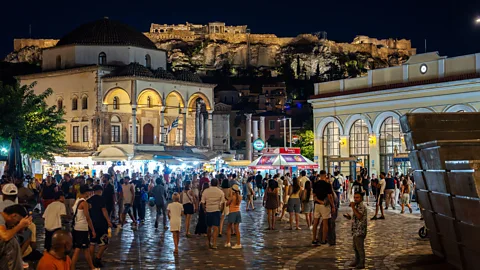
Like Seville and Rome, Athens buzzes late on hot summer evenings. The Acropolis – which now closes between 12:00-17:00 during extreme temperatures – stays open to 20:00 in summer, by which point the crowds have thinned and buildings are illuminated with a golden glow. There's also a bonus spectacle for those visiting on a Sunday: the closing ceremony of the Acropolis at sunset, typically between 20:00 and 20:30, when guards lower the flag and close the citadel for the night.
 Alamy
Alamy"22:00- to 23:00 in summer is Athens at its best," explains local resident Stavros Kapnias. "You hear music from the bars and the coffee shops. The restaurants are full. The city feels alive."
He adds that searingly hot summer days also have an effect on Athenian nightlife, which has traditionally started at a time when other cities are heading to bed. "If you want to go to a club in Athens, you arrive at 01:00," he says. "20:00 drinking is not something that Athenians do; that's a time when we're still drinking cold coffees."
As summers get hotter, travellers who embrace the local schedule rather than fight it are not only staying cool, but they're experiencing their destination in a totally different light. "The tourist who insists on the 10:00 to 18:00 itinerary in 44C (111F) heat will have a miserable trip," says Maxwell. "The traveller who flips to the local late-night rhythm discovers the city the locals actually live in."
--
If you liked this story, sign up for The Essential List newsletter – a handpicked selection of features, videos and can't-miss news, delivered to your inbox twice a week.
