Man mistakenly prescribed morphine died two days later from overdose

 Getty Images
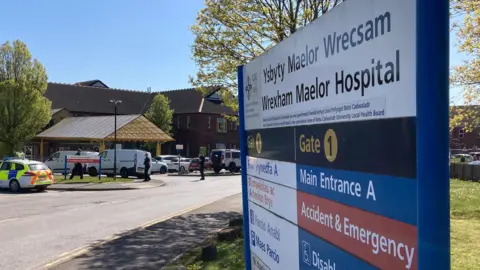
A man died of a morphine overdose two days after he was mistakenly prescribed it while being discharged from hospital, the Public Services Ombudsman for Wales has said.
The ombudsman blamed a "series of failures" by staff at Wrexham Maelor Hospital and described what happened as an "extremely serious injustice".
The man's widow said she felt as though her husband had been sent home from hospital "with a loaded gun".
Betsi Cadwaladr health board has apologised and admitted it "fell short".
The patient, named only as Mr P, had been in hospital in March 2024 for treatment related to alcohol withdrawal symptoms.
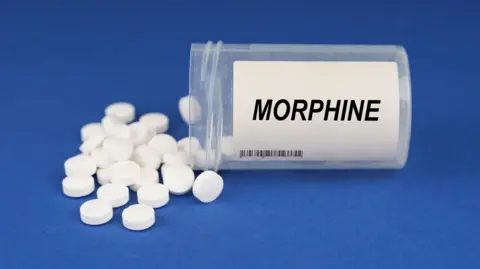
He was given the morphine sulphate medication Sevredol, a type of opioid used to treat severe pain, while in hospital.
But he was then mistakenly prescribed some to take home by the discharging doctor who believed he had been taking it before being admitted.
The report found there was then a "series of failures by the medical and pharmacy teams to carry out expected checks" which "would have identified this error".
Mr P died of a morphine overdose on 16 March, two days after leaving hospital.
A coroner concluded his death was a result of misadventure.
The ombudsman found that, according to official opioid guidance, Mr P should have been advised on the "risks of tolerance and potentially fatal unintentional overdose".
Mr P's widow said she "feels completely failed by the very professionals she should have been able to trust".
Although it was not possible to say whether the medication from the hospital directly caused his death, the ombudsman found that "supplying morphine sulphate in error, without appropriate advice, significantly increased the risk of accidental overdose".
'We fell short'
Michelle Morris, Public Services Ombudsman for Wales, said: "This represents an extremely serious injustice to Mr P and to his family."
She added: "These failings should have been identified and addressed at an earlier stage."
Her report recommends apologising to Mrs P and making a payment of £2,000 to reflect the injustices caused.
It also said a full review of practices within the board's medical and pharmacy teams should be carried out within the next six months.
Chris Lynes, deputy executive director of Nursing at Betsi Cadwaladr University Health Board, said: "We fell short of the standard that should be expected. We are sending a direct letter of apology to Mr P's family imminently."
"We are committed to ensuring the lessons identified are fully acted upon," he added.
He also addressed the ombudsman's concerns about the way Mrs P's complaint was handled, saying: "The health board is fully committed to the Duty of Candour, the contract we have with the public to be open and honest, and we will continue to address the concerns raised in the ombudsman's conclusion."
