'Eating and standing are a challenge in the heat'

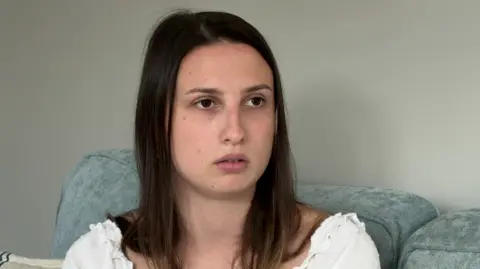 BBC
BBC"Sometimes it can be soul-destroying. You wake up and you go, 'right, I need to do this again today.'"
This summer's extreme heat is debilitating for 26-year-old K-Jo, from Didcot who has a diagnosis of postural tachycardia syndrome (PoTS).
The condition can affect the body's ability to regulate heart rate, often leaving people feeling dizzy and light-headed when they stand up.
"Basic things become a challenge in the heat," she said. "Eating, just getting out of bed, standing."
The syndrome, whose cause is unclear, affects around one in 500 hundred people in the UK, according to the charity PoTS UK.
"We've had lots of inquiries from our patients… Lots of them have been really struggling," the charity's nurse advisor Sarah Charlesworth said.
"The symptoms that they normally get in just normal weather will be probably tenfold."
She said sufferers should make lifestyle adjustments during hot weather, while accepting that "it's going to be a bad patch".
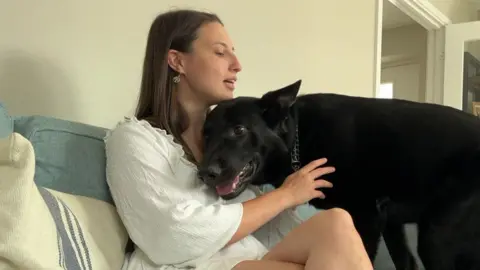
K-Jo turns on fans and closes blinds and try to keep her home cool.
"And then I pretty much hide away in a dark room for the rest of the day, work on my laptop," she said.
"As soon as that's done, straight into a cold bath and straight into bed because my energy is just done at the end of the day and it's just a lot of effort on my body."
Patients typically wait seven years for a diagnosis, according to PoTS UK, which says the condition is often wrongly attributed to anxiety or depression.
K-Jo said she was a healthy teenager before developing symptoms which left her "petrified".
"I couldn't get any answers. I didn't know what was going on," she recalled.
"I didn't leave my bed for about two years. I didn't leave the house apart from [for] doctor's appointments."
She said more support was needed for people with chronic illnesses in hot weather to reduce their isolation.
NHS England said it had worked hard to improve access to healthcare.
Dr Amanda Doyle, national director for primary care, said: "With the summer not over, it's vital that people continue to take precautions and check in on loved ones or those who are vulnerable."
