Toxic algae found in newly designated bathing spot

 LDRS
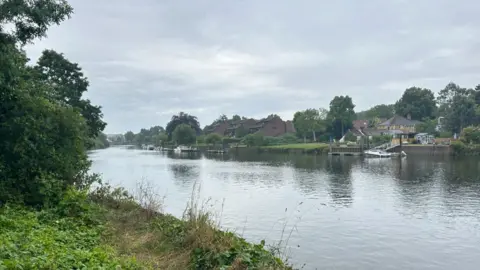
LDRSHealth concerns have been raised over potentially toxic algae in the capital's first official bathing spot in west London, three months after the site won the designation.
The Environment Agency (EA) said it had found a bloom of potentially toxic blue-green algae in the Ham and Kingston bathing area, high concentrations of which can produce toxins harmful to humans, pets and wildlife.
It said it would be taking water samples over the next 24 hours to confirm the extent of the algal bloom, which is at greater risk of growing in hot, dry weather.
Richmond Council has advised visitors not to swim in or around the spot until further notice, and to keep pets out of the water.
It also said people should avoid contact with visible algae near the riverbank.
The stretch of the Thames between the Half Mile Tree and the YMCA Hawker Centre was officially designated as London's first bathing water site in May.
It has not yet been classified for water quality as samples are still being taken, with classification due to be issued after bathing season ends on 30 September.
The EA said it was working with the Royal Borough of Kingston upon Thames, which has "put signage in this location to warn people that it is not safe to swim".
The spokesperson said an "advice against bathing notice" had been activated on the SWIMINFO website, and it was likely the section of the River Thames between Hampton and Kingston had also been affected.
Concerned campaigners from Save Our Lands and River (Solar) told the Local Democracy Reporting Service: "Toxic algae experiences turbo-charged growth with sewage overflows in warm, sunny conditions – exactly what you'd expect just downstream from the Hogsmill that has failed its recent environment audit."
The bathing spot is also near Thames Water's target location for replacing up to 75 million litres of water a day with treated wastewater during droughts, known as the Teddington Direct River Abstraction project.
Under the plans, water would be transferred from the river to a reservoir to be added to the drinking water supply. The Thames would then be topped up with treated wastewater pumped in through an underground pipeline from a nearby sewage treatment works.
Solar has been campaigning against the scheme since it was announced in 2023 due to safety concerns, but Thames Water said the scheme "would not deteriorate water quality and would be required to meet strict environmental and water quality standards set by the Environment Agency".
"The new treated water outfall would also be located downstream of the proposed bathing water site, meaning recycled water would flow downstream over Teddington Weir into the tidal Thames," the water company added.
Solar is running a petition demanding all new wastewater treatment infrastructure meets stricter standards as demanded in EU countries, effectively adding a fourth stage of treatment to remove micropollutants.
Listen to the best of BBC Radio London on Sounds and follow BBC London on Facebook, X and Instagram. Send your story ideas to hello.bbclondon@bbc.co.uk
