Bluetongue vaccine advice for farmers

 BBC
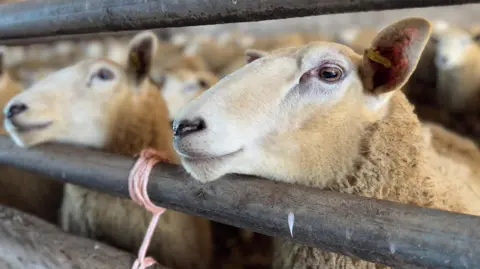
BBCFarmers are being urged to get their livestock vaccinated against bluetongue.
The virus has recently been confirmed in a case in East Yorkshire following outbreaks in other parts of the country.
Clare West, the National Farmers' Union's regional livestock board chairwoman, said: "Vaccination is the only proven defence that we have against bluetongue."
Defra said it was monitoring the situation closely. Bluetongue does not affect humans or food safety.
The virus mainly affects sheep, cattle and goats, and it is spread by biting midges. It creates high fevers and mouth and feet ulcers, and it can be fatal.
West said the NFU was "rightly concerned about livestock and those that own them".
She added that the hot, dry weather had created favourable conditions for midges.
"We've had a massive viral load and fast replication of the midges. So what could have just ticked away quite quietly has, quite frankly, exploded.
"Every farmer's primary focus is the welfare of their animals so anything at all that is impacting welfare of animals is going to be a huge concern to us."
 Lucy Russell
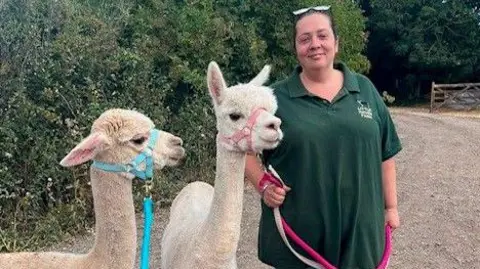
Suzannah Wright, of Little Haven Farm in Hedon, East Yorkshire, is a petting farm, animal rescue and education centre.
She has started fundraising so she can vaccinate all her animals against bluetongue.
Wright said: "We can see from what's happened down south that once you get one outbreak it tends to spread rapidly. Particularly in Somerset, Devon and Cornwall at the moment, it's rife."
A Defra spokesperson said: "We recognise this is an incredibly difficult time for animal keepers who are on the frontline of this disease, and we are monitoring the situation closely.
"Farmers should continue to be vigilant and monitor their animals frequently, reporting any suspicions of disease to the Animal & Plant Health Agency.
"We continue to work closely with industry and are putting processes in place to bring in additional vaccine supplies to help farmers to protect their livestock."
Listen to highlights from Hull and East Yorkshire, and watch thelatest episode of Look North.
Download the BBC News app from the App Storefor iPhone and iPad orGoogle Play for Android devices
