How major policy shift is changing police response to mental health call-outs

 BBC
Police in Northern Ireland handle 30,000 mental health calls every year, or about 80 a day on average - but a major new policy will see a significant change inhow those calls are answered.
From the start of November, the Police Service of Northern Ireland (PSNI) will no longer carry out concern-for-welfare checks unless there's a risk to life or harm or a crime involved.
The public will still phone 999, but calls will be assessed and handlers may pass them onto other emergency services or health and social care staff.
While reaction to the policy has been mixed, the PSNI says it is about ensuring individuals receive care from the most appropriate professional or service.
Assistant Chief Constable Ryan Henderson previously told a Stormont committee that the number of mental health contacts received by police had reached "unprecedented levels".
He said thousands of calls about a person potentially in danger were received by the PSNI - with just 3% of those related to crime.
What is the new 999 policy?
The policy, Right Care Right Person, is being introduced in phases in Northern Ireland.
It has been in place among some forces in England and Wales since 2023 and means police no longer attend calls where no crime has been committed, or where there is no risk of harm or risk to life.
Instead, health, social care, or community services may attend calls for help rather than the police.
Calls to 999 will be triaged and if there is any risk of harm or to life, or if a crime is involved, the police will still attend.
However, calls that require a response like a welfare check may now fall to another part of the emergency service system as opposed to the police.
The public's approach remains the same - they are asked to phone 999 in case of emergency.
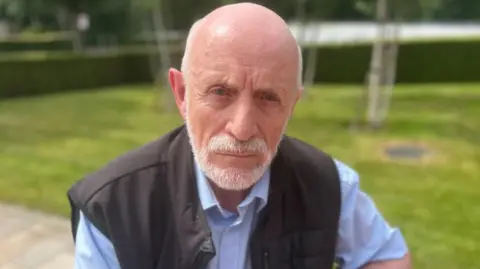
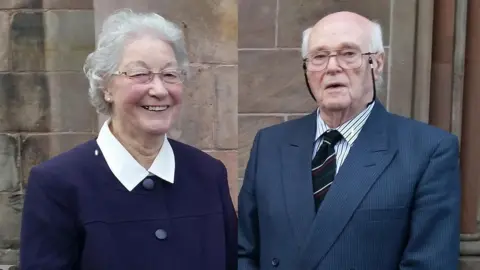
One campaigner in favour of the policy is Charles Little, the son-in-law of Michael and Marjorie Cawdery who were killed in a "frenzied attack" in their home in 2017.
Thomas Scott McEntee, who was suffering from paranoid schizophrenia, was sentenced to a minimum of 10 years in prison.
Their murders prompted a review into how the PSNI and the Southern Health and Social Care Trust had "missed opportunities" to detain McEntee for mental health care in the days leading up to the attack.
Little told BBC News NI that if the Right Care Right Person policy was in place at that time it may have "saved the day".
"If you're in a mental health crisis you might find a policeman turning up extremely frightening and it might worsen the situation," he said.
"So you don't always want the police to go first, even though at the moment the police are effectively the mental health front line."
Little said people "need to be looked after properly, they need to get the right care and they need to get it from the right person".
 Pacemaker
'Health services are currently at crisis point'
There have been some concerns raised about the impact the new policy may have on Northern Ireland's health and social care sector.
Dr Ross Irvine from the Royal College of Psychiatrists in Northern Ireland said "our mental health services are currently at crisis point".
"Thirty per cent of posts across the province are sitting vacant, and that has real-world implications," he said.
"A policy which removes the safety net that the PSNI are currently providing, and transfers that onto services that are already struggling to stand still, does give us cause for concern."
George Hannah, from the NI branch of the British Association of Social Workers, said: "What we're hearing from our members is this is too quick, there aren't sufficient resources in the system to do it safely at the moment.
"Most social workers would tell you that they don't want to be with the police all the time because of the potential for escalation, but I think not knowing that you have access to additional support when it's needed will increase concerns.
"This is about making sure that the right person gets the right care, but if the care isn't available in the system, then we're just moving people around."
'This needs to happen'
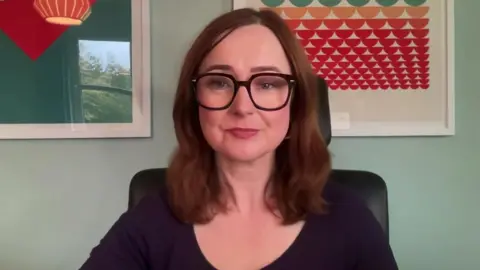
The mental health champion for Northern Ireland, Prof Siobhan O'Neill, said she believes that the policy is an important step forward.
"This is something that needs to happen. The police were attending calls where there really wasn't a policing issue," she said.
"I think the systems are working together really well to make sure that anyone who is in crisis and is in need will receive a response."
Funding issues remain a concern for O'Neill, who has previously called for a regional crisis intervention service for Northern Ireland.
"I'm disappointed that there hasn't been the investment in the health services and mental health services to ensure that there's a backfill, alternative service," she added.
The PSNI told BBC News NI it currently responds to approximately 30,000 mental health calls each year, with a "significant proportion" of these calls coming from health workers.
"The approach is about ensuring that individuals receive care from the most appropriate professional or service.
"This will help reduce avoidable delays, improve consistency in decision-making, and support safe and lawful practice across Northern Ireland."
