Your hosepipe ban questions answered

 Getty Images
A hosepipe ban is in force across Devon, Cornwall, the Isles of Scilly and parts of Dorset and Somerset as hot and dry weather puts pressure on the South West's water supplies.
We put some of your questions to South West Water about why it is happening and when it might end.
Why is the ban in place?
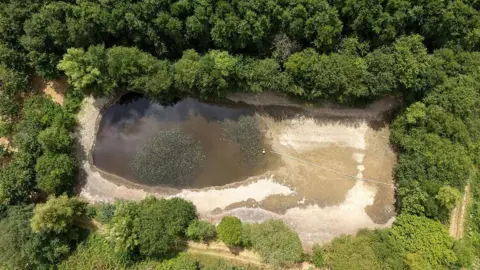
South West Water said demand for water was "through the roof" after an after an exceptionally hot and dry summer.
Water services director Sam Bottomley said introducing a hosepipe ban was never a decision taken lightly.
He said: "Three months of outstanding weather, which we've all enjoyed, has pushed demand through the roof.
"We're hitting 20% to 30% more demand over those three months than we ever have in the past and it's outstripping supply at the moment."
When are people not allowed to use a hosepipe?
At the moment, you cannot use your hosepipe for "non-essential" reasons which include:
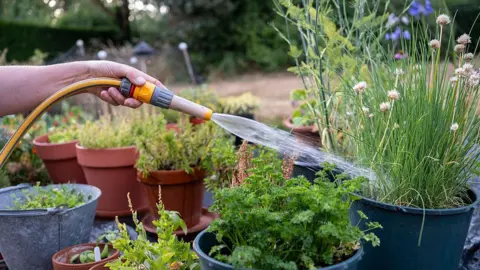
- Watering gardens or plants
- Washing a car, patio or boat
- Filling a swimming or paddling pool
- Filling or maintain a domestic pond
Anyone breaking the rules could face a fine of up to £1,000, said South West Water.
Are there exceptions?
 Getty Images
There are some automatic exceptions, including:
- Commercial businesses, such as car washes or those that need to water
- Blue badge holders
- Filling a pond where the welfare of fish depend on it
- Filling pools for medical treatment
- Watering an allotment where plants are grown for food, including home gardens
A full list can be found here.
When will the hosepipe ban be lifted?
The hosepipe ban came into force on 8 August and there is no definite end date.
Bottomley cited both the weather and consumption when asked how long the ban would be in place.
"We've taken this action today to try and prevent further things happening to us," he said.
Could there be further restrictions?
South West Water's drought plan outlines a number of actions the firm could take if supplies continued to be under pressure.
These include: banning the non-essential use of water for certain activities, tankering water to reservoirs and accessing additional sources of water from disused or unlicenced sources.
Why was record winter rain not enough?
 PA Media
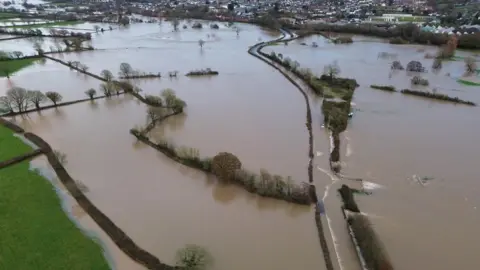
The South West experienced record-breaking levels of rain in the winter of 2025 and 2026 and the firm said in February it was "confident" about supplies.
However, Bottomley said demand on the network had meant a reassessment.
He said: "We had a wet winter and, going into the summer, all of our reservoirs were full.
"We completed all of the prep work on our treatment works, we did all our pre-summer readiness plans and we were in a good place."
However, he said "huge demand" from residents and visitors and capacity at treatment works had changed the picture.
"It's outstripping what we can do," he said.
He said leaks across its network were also a "real challenge".
"We're repairing more leaks over the last three months than we ever have," he said.
