Appeal over planned accessible home rejected

 Google
A wheelchair user's plan to build a specially adapted house on his land has been rejected by a government planning inspector, following an appeal.
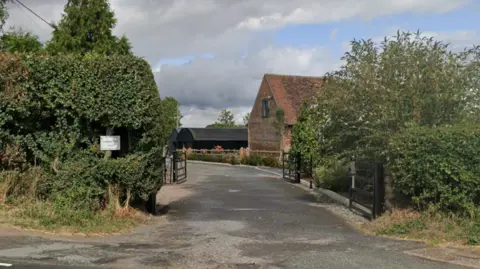
James Boffey, a third generation farmer, had proposed to build an accessible oak framed house at Longdon Hall Farm in Longdon-upon-Tern, Shropshire.
The plans were rejected by Telford and Wrekin Council, and on appeal the planning inspector agreed that the house would fail to blend in with historic Grade II and Grade II* listed buildings in the area.
The inspector concluded that while Boffey's circumstances "should attract significant weight", an essential need for the dwelling had not been evidenced.
"The proposal would constitute unjustified development in a rural area which carries moderate weight," the inspector wrote, "as would the harm identified in relation to the area's character and appearance."
The inspector agreed that dismissing the appeal would "deprive the appellant the opportunity to live in a new dwelling" but that it was balanced against the "serious effect the proposal would have in terms of other planning considerations."
The inspector added: "It is therefore proportionate and necessary to dismiss the appeal."
The site is close to three listed buildings, the 16th century Grade II* Longden Hall, an 18th century Grade II red brick barn and the Grade II red brick Church of St Bartholomew.
The inspector described the church as a "lovely example of a rural ecclesiastical building" and focused on the impact on the hall and the church.
The fact that the proposed building would have an oak frame while the other buildings were brick-built led the inspector to find that it would "fail to blend into the existing built form which characterises the area."
This news was gathered by the Local Democracy Reporting Service, which covers councils and other public service organisations.
Follow BBC Shropshire on BBC Sounds, Facebook, X and Instagram.
