University of Dundee to cut 190 more jobs to save £20m

 BBC
BBCThe University of Dundee has announced plans to cut 190 more jobs as it deals with a large financial deficit.
Despite already cutting about 675 jobs through voluntary redundancies, the university said it still needed to make annual savings of about £20m - mostly from staff costs.
The university first announced a potential £30m deficit in November 2024 and "inevitable" job cuts.
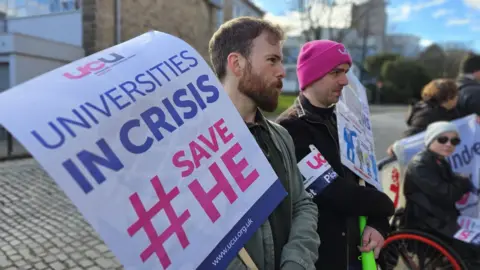
Members of the University and College Union (UCU) have already staged 28 days of strike action in the last year over the cuts.
They voted in favour of strike action again earlier this month, since the time limit on a previous strike vote had expired.

Carlo Morelli, a UCU representative at the university, said staff were "completely shocked" by the news.
He said they were read a statement lasting three minutes on Tuesday morning and the meeting was ended before anyone could ask questions.
"Whole units are being put into so-called voluntary redundancy where everybody in that unit is now going to lose their job," he told BBC Scotland News.
"So there's nothing voluntary about it, this is compulsory redundancy."
Morelli added: "There's been two rounds of voluntary severance, neither of which got the numbers of job cuts that the university was expecting.
"I think that tells you that people working here do not want to leave the university."
The first minister has said the plans were "extremely disappointing".
Speaking during First Minister's Questions, John Swinney said his government would attach the greatest priority to meaningful and effective dialogue with staff members who he said would be feeling "deeply alarmed" by the announcement.
Education Secretary Mairi McAllan had asked for the announcement to be paused, according to a government spokesman.
Prof Nigel Seaton, interim principal and vice-chancellor, said staff at risk of redundancy were being informed today.
He said that despite "vigorous action" to address the university's situation, it still had "some way to go" to become financially sustainable.
"We have made progress in recuring non-staff spending, and this has already been substantially reduced," said the principal.
"We will make further cuts in this area, but there is a limit to how much further we can go, so the greater part of the additional saving will have to come from staff costs.
"Today we are beginning a period of collective consultation with the campus unions about proposals for our future organisational structure, how these would be implemented, and the impact this may have on some jobs."
He added that these were proposals rather than final decisions and could change following consultation.
 Google
Prof Seaton said the institution aimed to achieve the reduction in roles through voluntary redundancy.
He added: "I am very conscious of the very difficult – actually, awful – experience that staff in particular have gone through since our financial crisis was acknowledged.
"If there were any other way to secure the future of the university without carrying out the change we have outlined, we would take it.
"But we must go through this to ensure that the university survives and that we continue to do great things for our students, for those who benefit from our research, and for society more widely."
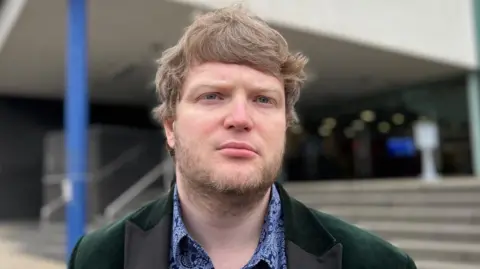
Tánaiste Custance, president of the Dundee University Students' Association (DUSA), said he felt "a level of disgust" with both university management and the Scottish government "for allowing this crisis to continue".
He said he had seen "pressure on every part of the university" and "very high workloads for the staff that remain".
"It's extremely sad that we are now approaching close to 1,000 job cuts after 18 months of this very sorry saga of a crisis that continues," he said.
"Dundee deserves far better, staff deserve far better, students deserve far better than what is happening to this university."
He added: "People are being victimised for a crisis they did not cause."
Ian Ellis, Dundee UCU branch co-president, said the news was "devastating".
"Staff are once again paying the price for management failings and a catalogue of managerial missteps," he added.
"Every job that is lost, whether by voluntary redundancy or by possible compulsory redundancies, is a tragedy for the individuals impacted but also diminishes the university and leaves increasingly unmanageable workloads for the staff who remain."
 Google
A critical report in June 2025 into the university's financial collapse led to the resignations of its interim principal Prof Shane O'Neill and two senior members of its governing body.
The Gillies Report said university bosses and its governing body failed multiple times to identify the worsening crisis and continued to overspend instead of taking action.
The university said the report had been a "chastening experience and triggered a time for deep self-reflection".
The Scottish government provided £40m in emergency funding last year to help stabilise the university, with ministers expecting at the time that this would limit job losses to about 300.
However, interim principal Prof Nigel Seaton told Holyrood's education committee in November that the Scottish Funding Council (SFC) had accepted more redundancies would still be needed.
Last week the UCU said the university's senior management was still refusing to rule out using compulsory redundancies in future.
