Prime minister apologises to families of five shot dead by the Army in 1972

 PA
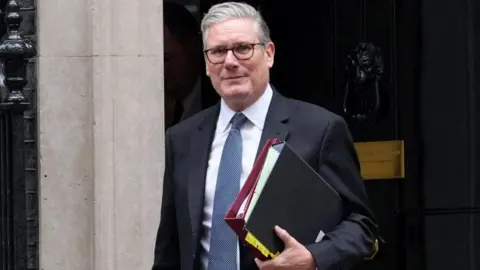
PAPrime Minister Sir Keir Starmer has apologised to the families of five people shot dead by the Army in Belfast in 1972 after an inquest found soldiers "overreacted to a perceived threat".
The move comes after the victims' families accused the government of a "deliberate silence" following the inquest's finding in April.
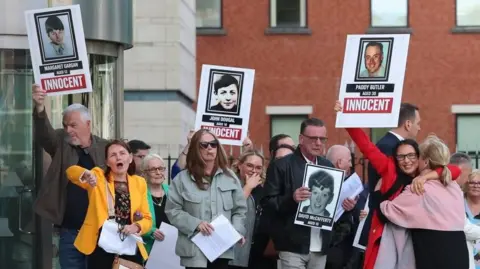
Fr Noel Fitzpatrick, 42; father-of-six Patrick Butler, 37; 16 year-old John Dougal; 15 year-old David McCafferty; and 13 year-old Margaret Gargan were killed on the Springhill estate on 9 July 1972.
In April, a coroner concluded the Army "lost control" in a number of cases.
Speaking in the House of Commons the prime minister said the findings of the inquest were "sobering".
He added: "While the circumstances in which the events occurred were undoubtedly challenging it is the duty of the state to hold itself to the highest standard.
"The government accepts and deeply regrets these findings and recognises their gravity.
"On behalf of the government I want to apologise unreservedly to the families for what happened and for the grief and trauma that they have endured since the tragic deaths of their loved ones."
The prime minister also apologised in a letter to each of the five families.
What did the Springhill inquest find?
 PA Media
The inquest received its final submissions in April 2024, just hours before the deadline imposed by the 2023 Legacy Act to end conflict-related inquests.
On 30 April, the coroner Mr Justice Scoffield found the force used in all five shootings was "not reasonable".
The court heard four of the five people killed were shot by the same soldier, and two were killed by the same bullet.
Margaret Gargan was shot "directly in the face" by a different soldier on the same day.
The coroner said the "force used was not reasonable" and that it was "not in compliance with the yellow card" in the Army's rules of engagement.
No warning was given before the shootings.
The coroner said Fr Fitzpatrick, Patrick Butler, and Margaret Gargan were "wholly innocent victims" and David McCafferty was "regarded as an innocent victim".
He said while John Dougal's conduct prior to his death "remains unclear and suspicious", he "should not have been shot, having been shot in the back while retreating".
In a statement following the verdict, the Ministry of Defence (MoD) said they acknowledged the coroner's findings and were "considering them carefully".
"We remain firmly committed to supporting our veterans and to the delivery of truth, recovery, reconciliation, and closure."
As the coroner was delivering his findings on 30 April, secretary of state for Northern Ireland Hilary Benn expressed his "profound condolences to the families".
"We will all need to read the full coroner's report, which I haven't yet and have not had an opportunity to do so," he added.
