Experts spot 22 more species at nature reserve

 LRWT
LRWTWildlife experts have spotted 22 more species at Rutland Water Nature Reserve during a 50-hour long recording event.
Staff and volunteers joined the "wildlife recording marathon" from midday on 26 June to 14:00 BST on 28 June.
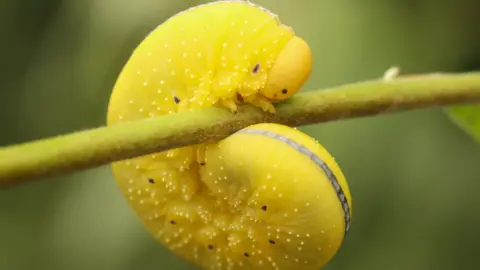
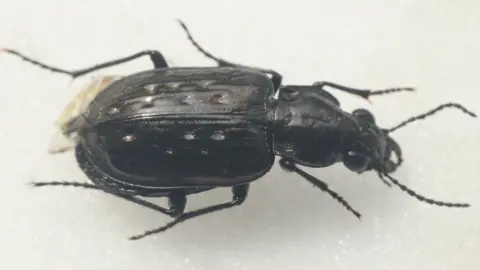
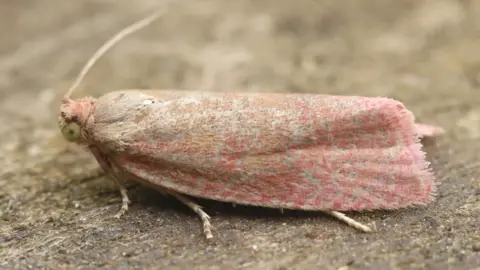
Leicestershire and Rutland Wildlife Trust (LRWT) said the new finds included a giant willow sawfly, a dimpled marsh beetle and five species of moth, which have not been seen at the reserve since it opened in 1976.
The trust said 937 species were recorded in total, including 300 types of plant, 272 species of invertebrate, 230 moths and butterflies and 101 birds.
LRWT said the event was held as part of the 50th anniversary of the nature reserve, and brought the overall count of species to 4,836.
The trust said it was a "massive win" for conservation, as numbers have risen over the years as the habitat had become "wilder and more diverse".
 LRWT
LRWTTim Sexton, the senior species and recording officer for the reserve and trust, said teams had worked through most of the night, also recording various bats and owls.
"It was nothing short of a wildlife recording marathon," he said. "It was pretty tiring, with just a few hours sleep but definitely worthwhile.
"We've had the most number of moths recorded, as in species, in any one night of 212 species, and we've been trapping moths over 30 years, which is just absolutely outstanding."
The entomologist said his favourite find was the dimpled marsh beetle - a terrestrial beetle that lives on the edges of ponds and marshes.
"What's incredible is that scientists have discovered it can spend up to an hour and a half submerged underwater, actively hunting without needing to come up to the surface for air," he said.
"In the 50 years, we've recorded about 900 species of beetle. They're the most recorded group of taxer on the reserve, so I'm surprised that one had gone unnoticed for so long.
"It's a nationally scarce species, so great to see it on the reserve."
 LRWT
LRWTRutland Water was built in 1976 to create a man-made reservoir for drinking water.
Sexton said: "It was decided it would include a nature reserve and it has gone from strength to strength in recent years, and [it is] a haven for wildlife.
"It's become internationally important for its wintering waterfowl - wintering ducks, geese, swans, the osprey project and so on.
"But it's the smaller things we should be celebrating as well because they're what makes everything tick.
"The number of invertebrate species that we've recorded through this wildlife recording event was absolutely incredible."
Sexton added it was important to have open spaces such as Rutland Water for species to thrive.
"Our natural landscape is becoming fragmented over the years as towns and cities are expanding into the countryside," he said.
"Just providing an opportunity for these species proves that you can attract many different species of wildlife, be that plants, invertebrates or birds to an area.
"We've seen a warming climate, we've seen a northward shift in species of invertebrates, and every year we're recording new things for the reserve."
Listen to BBC Radio Leicester on Sounds and follow BBC Leicester on Facebook, on X, or on Instagram. Send your story ideas to eastmidsnews@bbc.co.uk or via WhatsApp on 0808 100 2210.
