Reform wants to abolish town councils it now runs

 BBC
BBCReform UK councillors who recently gained control of two new town councils say they want to abolish the very authorities they have been elected to run.
The party won the elections in Bournemouth and Poole earlier this month but said its main stated aim was to offer residents a chance to vote to get rid of them altogether.
Town councils aim to provide a grassroots level of local government that acts as the direct voice of the community to higher authorities.
Meanwhile, newly elected Liberal Democrat town councillors in neighbouring Broadstone said theirs would be an entirely non-political council focused on residents.
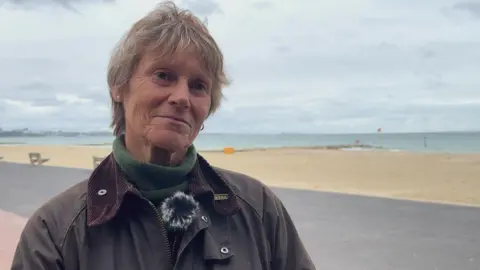
Reform’s Xena Dion, a Poole town councillor and the likely future leader, acknowledged the unusual position of heading a brand new council she opposed from the outset.
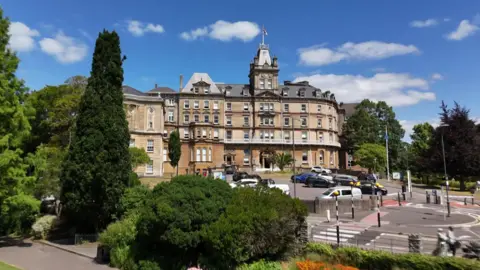
Dion said her party had stood as an opposition force and were grateful voters had backed them to do what they promised - resist the transfer of services from Bournemouth, Christchurch and Poole (BCP) Council to the town councils.
"The consultation showed very clearly that most people that responded did not want the town councils and our whole campaign was based on the same thing," she said.
"It's another layer of bureaucracy that people don't want, it's another layer of tax that people definitely don't want."
So would she like to see the new town council abolished?
"Very much so," she said.
She said the party recognised town and parish councils had a place, particularly in rural areas such as Dorset, but argued the situation was different in a large conurbation.
She added that it made sense to assess whether the new town councils were efficient and effective, stressing no promises had been made to abolish them.
However, she said she and others did not believe such councils worked well in a large urban area.
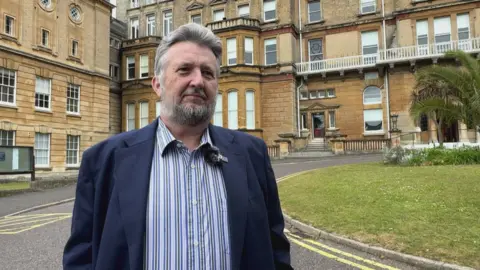
Mark Anderson, a former BCP Conservative councillor, said he did not want the authority he is likely to lead to succeed.
"I don't see the necessity for us to have this third-level council," he said.
"We're going to listen to what residents have said.
"They said they don't want it, they've said they don't want high council tax, they said they don't want to pay twice for services that BCP should be providing."
And if that means binning, or consigning these new town councils to the dustbin of history?
"We'll carry out a consultation and this time we'll listen to what the people of Bournemouth say," he said.
"And if they say keep it, well we'll keep it and if they say get rid of it, we'll get rid of it."
The third new town council created by BCP was Broadstone.
It is controlled by the Lib Dems who won six of the eight seats, with two going to independents.
Reform UK contested every ward but failed to win any seats.
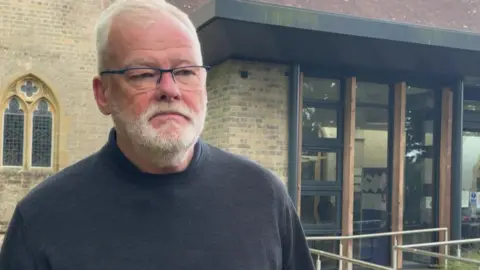
Lib Dem group leader Peter Sidaway, also a BCP councillor, said "We're fairly determined to make sure that Broadstone is a non-political town council.
"We have eight councillors, two independents and six Lib Dems.
"We're already talking very closely about things we can do together and we're not going to let party politics drive what we're going to do here.
"There are many things we can do, from regular tasks like maintenance, graffiti cleaning, supporting our community events and especially our youth club, but most importantly we need to hear from our residents, the things they want us to do".
What are town councils?
Town councils are a third tier of local government in England, operating below district or borough councils.
They represent smaller communities - often towns or large villages - and are responsible for highly local matters such as managing specific local amenities and running some events.
While they have limited statutory powers, they can influence planning decisions and raise funds through a precept added to council tax.
They do not handle major county or unitary services like education, social care, libraries, or major road maintenance. Those will continue to be the responsibility of BCP Council.
You can follow BBC Dorset on Facebook, X (Twitter), or Instagram.
