Plans to regenerate Glasgow's North Laurieston get go-ahead

 Glasgow City Council
A blueprint to transform Glasgow's North Laurieston area has been approved by the city council.
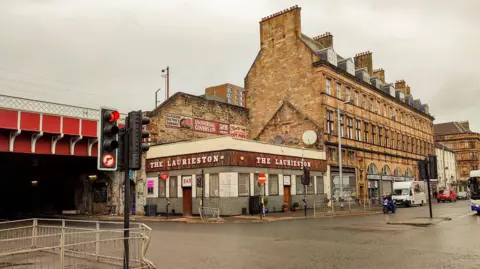
The plans will see historic buildings in the area brought back into use and vacant land redeveloped to help provide housing, creating what that the local authority hopes will be a "vibrant neighbourhood."
There will also be an attempt to link up the area with other parts of the city, improving connections to the city centre and the likes of Tradeston.
Previous details of the plan revealed that the council could use statutory powers to bring decaying heritage buildings back into use if needed.
These buildings would include the likes of listed properties on Carlton Place.
Other proposals include improving the quality and attractiveness of local streets and spaces, tackling environmental decay in the area through better maintenance and management of land and buildings, and redeveloping vacant gap sites and underused land in the region.
The masterplan went out to public consultation in the summer of 2026, after a draft document was developed by New Gorbals Housing Association, Glasgow City Council, and Elder & Cannon Architects.
 Glasgow City Council
Councillor Ruairi Kelly, the depute leader and convener for housing, development, built heritage and land use, said the area is "a unique part of Glasgow" and home to a number of outstanding heritage buildings.
"The masterplan for the area is important as it offers a blueprint to transform North Laurieston and realise its great potential by redeveloping its vacant land and buildings to create a thriving neighbourhood and place," he said.
Initial stages of the plan will be what the council describe as infrastructure-first - meaning focusing on improving the quality of the area, to help attract investors.
 Getty Images
Fraser Stewart of the New Gorbals Housing Association described the plan as "strategically vital".
"After over 30 years of building, this will finally complete the regeneration of the Gorbals and establish it as the South Bank of the city centre once again," he said.
"At the same time, it will provide hundreds of much needed homes, including for social rent, and save key parts of Glasgow's built heritage."
Stewart added that local residents had faced "decades of decline" and the neighbourhood needed to be revitalised.
Tom Connolly, director with Elder & Cannon Architects, said the aim was to create a "vibrant, connected and memorable place", with the revamped area "richly landscaped and connected".
