Why there's been a 'rapid' rise in death doulas

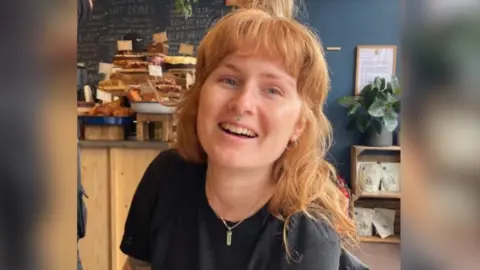 Ruby Love
There has been a rapid rise in number of the UK's death doulas, who support dying people, experts have said.
The role involves helping people who are terminally ill by offering non-medical, holistic support to navigate where they would like to die and assisting during their final hours.
Ruby Love, 33, from Bristol, said her job is a "privilege" and the type of support she offers changes with each patient.
She is one of about 450 death doulas registered with End of Life Doula UK (EoLDUK) charity, with CEO Dr Emma Clare saying the number was "growing rapidly". Clare puts this down to many factors - one being more awareness of doulas existing.
Clare said 114 doulas joined her organisation in 2025 - a big increase on previous years.
She said another reason why there has been a rise is due to cuts in other services.
"We describe our role as filling the gaps in the health and social care system and I think those gaps are bigger than ever at the moment.
"People are realising that formal services are only one part of what people need when they are dying," she added.
She said lot of people come into the profession after their own personal experience of grief and bereavement.
EoLDUK is the membership association charity for death doulas, with members training for 12-18 months with Living Well Dying Well, which has pioneered the training of death doulas in the UK, Clare said.
"Our members work across the UK, supporting people who are dying and those important to them with emotional, practical, and, if requested, spiritual support... working alongside health care providers," she added.
She said the role complemented social and health care services by offering relationship-based support outside the more formal clinical systems.
Love, from Brislington, started training as a death doula in 2020, balancing it alongside gardening jobs, which, she said, gave her the "right balance to be able to show up, be empathetic, and properly support the people you're working with".
"Being invited to support people at a tender time feels like such a privilege… and feeling like I'm making a difference is important to me," she added.
She said having early conversations about death, which can be in "dribs and drabs", is so important.
For some, sharing how they want to live before they are unable to communicate their wishes can include something as simple as how they like their tea, she added.
Love said when it comes to the final moments, it was a "huge privilege" to be invited in by people and their families.
"To be present with them during their end of life, when they are dying, I feel a lot of gratitude," she said.
Love said for a long time, she did wonder "who was I to be doing this" especially as when she started, she had not experienced any personal loss.
"In the last few years I've experienced my own loss and it's shifted that imposter syndrome but I do still feel nervous before I work with someone new," she said.
"You get to used to the death but every time I work with someone new they are a different person so you don't know what they need," she added.
Love said her job was all about "person centered support" and there was "no one-size fits all" when it comes to supporting someone.
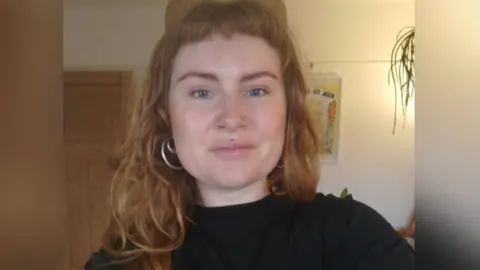 Ruby Love
Death doulas can cost between £25-£45 an hour, with most self-employed, Clare said. They can also cost more than that, or offer their services for free.
As a charity, EoLDUK supports some people's use of doulas through their access fund and in some areas support is NHS commissioned or subsidised through grant funding.
EoLDUK doulas can:
- Guide people through end of life decisions and choices
- be a point of contact for other services and kinds of support
- be an advocate when families need and coordinate personal visits
- give family carers a break
- take time with the dying person
- have conversations so death is approached without fear or loneliness
- fulfil more practical tasks like walking dogs, preparing meals and making a cup of tea
Love said for people receiving a terminal diagnosis, they and their family members "can often feel like they've been thrown into a full-time job they didn't ask for, weren't trained for and they're not being paid for".
"And there are all of these systems to navigate and all of this administration that suddenly arises," which is what death doulas can support with," she said.
Follow BBC Bristol on Facebook, X and Instagram. Send your story ideas to us on email or via WhatsApp on 0800 313 4630.
