Government 'failing' dolphins and whales

 The Wildlife Trusts
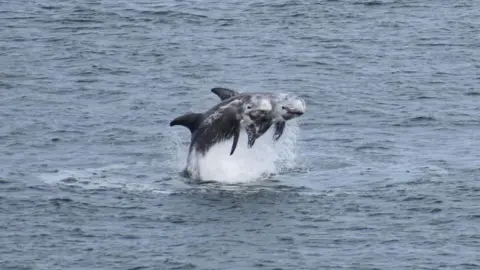
The government is not doing enough to protect whales, dolphins and porpoises in the North Sea, according to a report by conservationists.
The Priority Actions for North Sea Cetaceans 2026 report, published by The Wildlife Trusts, found that, while large parts of UK seas are designated as protected, legal safeguards are in many places too weak, poorly enforced, or "fail to keep pace with emerging threats".
Bex Lynam, marine advocacy manager at North Sea Wildlife Trusts, said the UK needs to "do much more".
In response, the government said it was "taking action" by "working with fisheries to develop safer fishing gear, while reducing abandoned gear to cut marine litter".
The report comprises research by The Wildlife Trusts on cetacean conservation in the North Sea, looking at threats posed to them and the current protections in place.
Threats include getting caught in fishing gear and disturbance from human activity and noise, including shipping and offshore developments, which can affect the creatures' ability to feed, navigate and communicate.
One of the areas exposed to this is the waters off Flamborough Head, an eight-mile-long (13km) chalk headland on the Yorkshire coast, which is one of the most important feeding grounds for whales and dolphins.
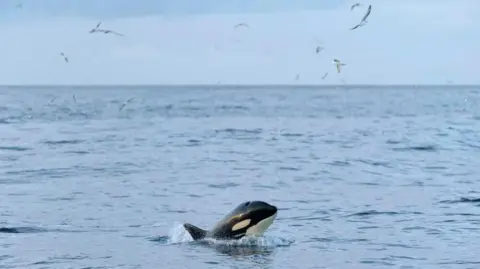
There are 28 species of whales, dolphins and porpoises found in UK waters, with the North Sea being a hotspot.
The most common species in this area include harbour porpoises, white-beaked dolphins and minke whales.
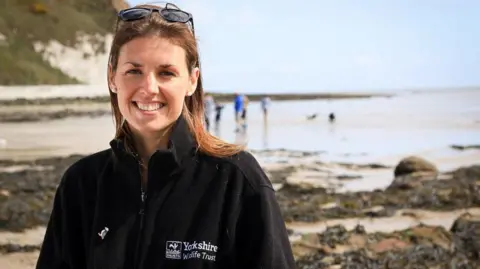
Ruth Williams, head of marine conservation at The Wildlife Trusts, said: "Our report reveals that action to protect dolphins, porpoises and whales is wholly inadequate. Simply designating areas as protected sites is not enough; what's needed now is real action if whales, dolphins and porpoises are to flourish in our waters once more.
"That means managing our existing Marine Protected Areas, including those in the North Sea, more effectively to reduce the most harmful fishing practices, cut underwater noise from ships and offshore developments, better protect important feeding areas, and improve how we monitor these animals.
"If governments and industries act on the evidence already available, we can quickly reduce harm and give North Sea cetaceans a real chance to recover. However, without faster, clearer action, the UK risks falling further behind in protecting some of its best-loved marine species."
 The Wildlife Trusts
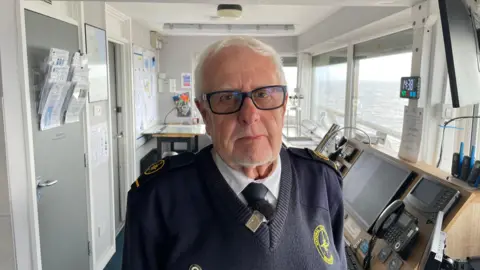
The volunteers at National Coastwatch Hornsea provide the eyes and ears along a stretch of the East Yorkshire coast.
Volunteer Andrew Garvey said: "While we are here to look after people, we do see, and can sometimes intervene and help, when animals and mammals are in distress."
He added that occasionally volunteers see "dolphins and larger mammals moving up and down the coast".
In December, the government published a UK Cetacean Conservation Strategy, which committed to protecting cetaceans in UK seas.
The Department of Environment, Food and Rural Affairs (Defra) said all four UK governments were working together on the next steps for the strategy.
A Defra spokesperson said there were already signs of recovery, with growing grey seal populations and a fall in the amount of plastic ingested by seabirds as a result of working with fisheries.
The Wildlife Trusts said there were "no clear targets or deadlines for government action", and called on the government to implement measures including:
- issuing temporary fishing restrictions during key seasons
- making adjustments to shipping routes
- creating a "clear national plan" to reduce underwater noise
Williams added: "If governments and industries act on the evidence already available, we can quickly reduce harm and give North Sea cetaceans a real chance to recover.
"However, without faster, clearer action, the UK risks falling further behind in protecting some of its best-loved marine species."
Listen to highlights from Hull and East YorkshireorLincolnshireon BBC Sounds, watch thelatest episode of Look North.
Download the BBC News app from the App Storefor iPhone and iPad orGoogle Play for Android devices
