Island lifeboat-building site to close

 RNLI/Glyn Ellis
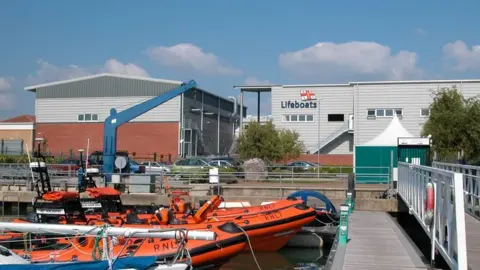
The RNLI has confirmed it is closing a lifeboat manufacturing site on the Isle of Wight.
Production of its inshore lifeboats will transfer from East Cowes to Poole, Dorset, by the end of 2027.
Up to 70 staff were working there when the plans were first outlined in October, and the charity said it was "committed to supporting all those impacted throughout this process".
The charity said it had been a "difficult decision" but that it needed to "consider our future footprint and cost base".
The Unite union said staff at East Cowes were "highly skilled" and had been supplying and maintaining lifeboats for more than half of the RNLIs 238 stations across the UK.
It said the plan would have a detrimental effect on the local community where there were few work opportunities.
Unite general secretary Sharon Graham said: "It is extremely disappointing that the RNLI is determined to close this vital base.
"Should this go ahead, it will have a devastating impact on our members and their families.
"Our members must not be high and dry. The RNLI must work with Unite to save these vital jobs."
 Getty Images
The Inshore Lifeboat Centre on the island opened in 1963 and built and maintained up to 80 lifeboats each year.
However, the RNLI said the site would require more than £5m of investment to continue operating.
In contrast, it said the all-weather Lifeboat Centre in Poole, which opened in 2015, was a larger and newer facility capable of meeting future manufacturing needs.
The charity said these factors had been carefully considered to ensure the best use of supporters' donations.
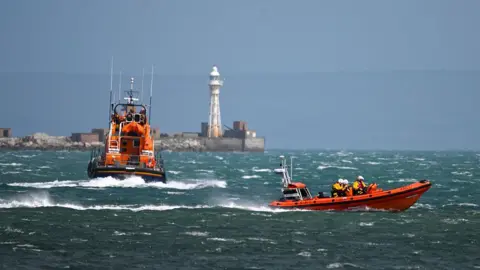
Ross Barraclough, RNLI chief engineer and technical director, said: 'Use of the sea around the UK is changing - our data shows 98% of all RNLI rescues are now within 10 nautical miles of the shore compared to years ago when demand was further offshore.
"For us to continue delivering our core purpose of saving lives at sea, the charity needs to evolve and respond to the changing demand placed on our service."
