Former council leader wins second term in post

 BBC
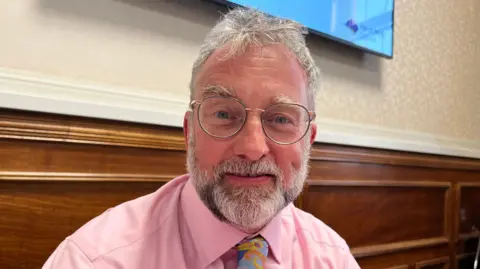
BBCA former council leader who resigned in 2017 has been elected to the post again.
Independent Jonathan Bacon will lead Isle of Wight Council, even though Reform UK won 19 out of 39 island seats in the recent local elections.
He secured 28 votes at Wednesday's selection meeting, with nine councillors backing Liberal Democrat rival Andrew Garratt and two abstentions.
Bacon told BBC Radio Solent he wanted "to get the council working properly" to deal with devolution and financial survival.
He said: "My aim is collaboration and avoiding conflict.
"We've had too much factionalism, national party politics affecting the island in recent years which is why we had a formal report towards the end of last year that labelled us as dysfunctional."
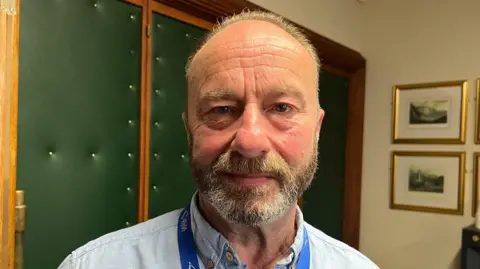
Bacon previously led the local authority from 2015 until 2017.
He resigned, saying he could no longer deal with continued government austerity, according to the Local Democracy Reporting Service.
His resignation statement also criticised "the preference for too many elected members to act negatively rather than try and help".
In March 2025, he resigned his cabinet post in charge of education, accusing colleagues of making an "unacceptable" decision to save three primary schools from closure.
Reform did not put up a leadership candidate, although its member Bill Nigh was appointed as deputy leader.
Bacon added: "A lot of people, when they saw a lot of Reform councillors being elected, they had certain assumptions as to what things would be like.
"A lot of us have been pleasantly surprised, to put it mildly, that we haven't seen that sort of national tribalism that a lot of us expected.
"Instead we've seen a lot of people who have got elected as local councillors - maybe they used a particular route to do that - but all the talk I've heard has been about working for the local community, working for the residents."
You can follow BBC Hampshire & Isle of Wight on Facebook, X (Twitter), or Instagram.
