Bat detectorist concerned by decline in numbers

 Desmond Consitt
A bat detectorist from Seaham is concerned the bat population in his area is declining year on year.
Passionate conservationist Desmond Consitt first began using a bat detector 15 years ago, using the device to listen to the mammals' unique, high-frequency clicking sounds and record them as they fly around in the dark.
He describes the experience as transformative: "It is like watching a black and white picture - as soon as you put the bat detector on and you can hear them, it becomes a colour picture."
But he warned: "You used to see more bats in Seaham than now, but I don't know why that is."
"I still enjoy it, and the wildlife you can find around here is fantastic," said Consitt.
"I would encourage anyone to get a detector and have a listen.
"They make subtle clicks at first, and as it finds its way it clicks faster and faster."
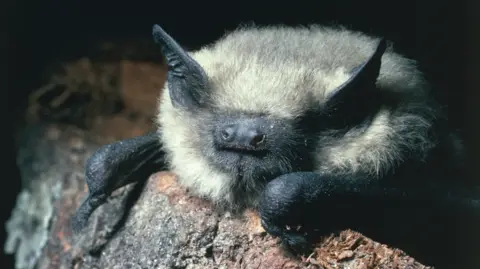 Getty Images
The Durham Bat Group said Consitt is probably recording Common pipistrelles and Noctule, the largest type of bat - as they are the bat species most typically found in the area.
The organisation said there are insufficient surveys on bat numbers to know if numbers are declining locally, but a decline was possible if the habitat in Seaham has deteriorated.
Ian Bond, secretary of the Durham Bat Group, said east Durham was "relatively poor" for bats compared with the rest of the country "due to a lack of open water and woodland" - but he claimed the bat population was increasing nationally.
"If more people would like to get involved in the National Bat Monitoring Programme then it would be very useful in helping to work out what is happening with the region's bats," he added.
Follow BBC North East on X, Facebook, Nextdoor and Instagram and listen on BBC Sounds.
