Cars, pollution, bus lanes: Hot topics for Reading voters

 BBC
BBCIt's been more than 100 years since Henry Ford's first Model T automobile rolled off the production line. Today his invention, which made cars widely available to America's middle classes, is proving divisive with politicians in Reading.
Voters go to the polls on Thursday to choose who they want to represent them on Reading Borough Council and there are clear differences in how the parties feel about the hold cars have on our lives.
They all know that how people get around Reading will be a key issue.
Labour are still firmly in the driving seat but their opponents sense this is the best chance they've had in years to unseat their rivals.
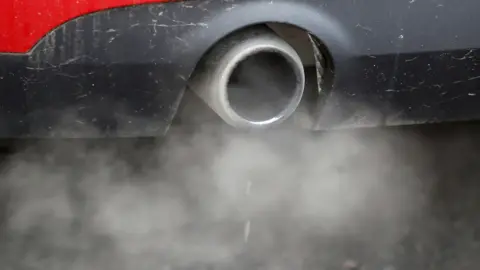
Reading Borough Council is currently run by Labour who have made much play in recent years about what they see as unacceptable levels of pollution caused by the cars which pour into the town every day.
The council's decision to make people pay more to park higher polluting cars and moves such as reducing the number of lanes open to motorists heading through Cemetery Junction have proved controversial.
So what do the five main political parties have to offer?
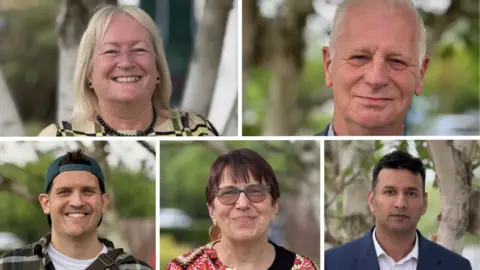
Liz Terry, who's the council's Labour leader, says while those decisions were always going to be unpopular with some, her party has tried to limit their impact.
"We've seen a major shift into the park and ride and the hospital for example so the park and ride bus that comes into the hospital has relieved a lot of the pressure," she said.
"These are the challenges about having to remove pollution and having to offer options to people."
For Clarence Mitchell, who's currently the only Reform councillor on the borough, that argument simply doesn't wash.
"Congestion is endemic," he said, adding: "Putting in bus lanes that don't work causes greater emissions because cars do sit along with cycle lanes that aren't joined up and go nowhere. This is all anti-car."
Liberal Democrat councillor Anne Thompson says her party wants to make it easier for people to get around without their cars.
She said: "One of the things I think we need to look at is whether it's feasible and beneficial to have some sort of charging system for people coming into Reading but who are using Reading only as a cut through."
Speaking for the Conservatives, councillor Raj Singh said: "[We're] focused on clear, practical changes that would make a real difference.
"These include fixing roads, tackling long-overdue repairs and restoring 30 minutes of free parking to support local businesses."
For the Greens, who are currently the second largest party on the council, councillor Dave McElroy said: "I think the main thing we would like to see is a bit of self-reflection and a bit of effort put towards working at what does and doesn't work, so we can learn from our mistakes and get better, not worse."
 Reuters/Peter Nicholls
There are of course many other issues that people will be thinking about when they head to the polling booths.
Only a third of the borough's councillors are actually up for election though, so while Labour's opponents will be hoping to give the party a (metaphorical) bloody nose the chances of them landing a knock-out blow are low.
Having said that, the changing national landscape which shows both the Green Party and Reform performing well in polls means that after years of feeling nigh on untouchable, some Reading Labour councillors will be more nervous than usual come election night.
