'PM's forced adoption apology did not go far enough'

 Stephen Hindley
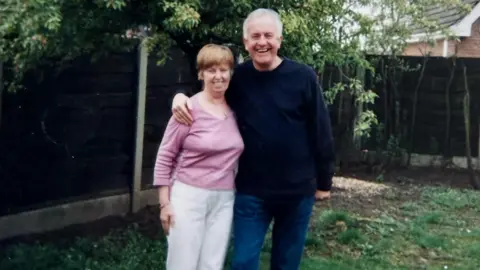
The husband of a woman sent to a home for unmarried mothers as a teenager has said the Prime Minister's apology for the practice of forced adoptions did not go far enough.
Steve Hindley's wife Judith said she became pregnant after being raped and gave birth to her son Stephen in 1964 at St Monica's Maternity Home in Kendal, Cumbria.
He was born with spina bifida and hydrocephalus and died weeks later after being refused care, with a report from an academic concluding he was left to die because his disability made him unattractive for adoption.
Hindley said: "I'm very disappointed to be honest, I thought this was the end of it, but why didn't they apologise to the ladies whose babies died?"
Judith took her own life in 2006, close to where her son had been buried in an unmarked grave at Kendal's cemetery alongside other babies who died at the home.
In a statement in the House of Commons, Sir Keir said what happened to "tens of thousands of mothers, children and families" was "a stain on our history".
"The shame is not yours. The shame was never yours. The shame is ours," he said.
The apology comes after years of campaigning from mothers, adoptees and their wider families, and parliamentary reports into the issue.
In June, the Church of England said it was "profoundly sorry" for its role in forced adoptions.
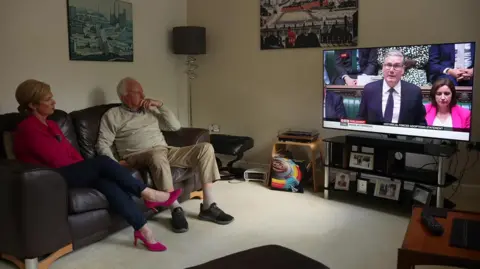
Sir Keir said earlier: "Mothers, many young, vulnerable, and without support were coerced, bullied, or misled into feeling that they had no choice but to have their children taken away from them.
"What a thing to do."
Hindley said he was "surprised" the apology "sounded so sincere and genuine", but it did not go far enough.
"It came across very well and I'm very pleased for the ladies that have got their apology at last - and about time too," he said.
However, he said many women - like Judith - had been "traumatised for the rest of their lives" after their babies died and they had been "shoved under the carpet".
"She along with all those other girls have been let down, and she deserves better, she really does," he said.
He said the speech had "revitalised" his motivation to continue "fighting for the girl I loved and still love".
"I'm very disappointed to be honest, I thought this was the end of it, but why didn't they apologise to the ladies whose babies died?"
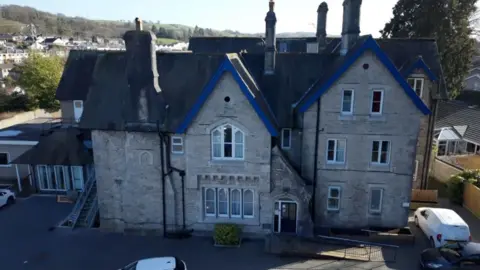
An estimated 185,000 babies were taken from their mothers in the 1950s, 1960s and 1970s, with women pressured into giving up their children at homes like St Monica's because they were unmarried.
Research by Dr Michael Lambert from Lancaster University - which has since been handed to Cumbria Police - concluded other babies were also allowed to die at the home because they were unadoptable.
The home - which ran from 1918 until it closed in 1970 - was run by the Diocese of Carlisle and funded by grants from local authorities who sent women there from across the north-west of England.
The diocese has apologised for malpractice at the home and said it was committed to full transparency.
Additional reporting by Jason Arunn Murugesu.
- If you have been affected by any of the issues raised in this story, information and support can be found at the BBC's Action Line.
