Australian hiker's body recovered as officials apologise for misreporting she was alive

 Getty Images
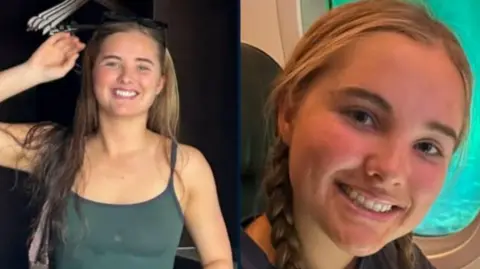
The body of missing Australian hiker Lily Hooper has been recovered as officials investigate a "miscommunication" that briefly reported she had been found alive.
Within minutes of reports first emerging that she was alive on Thursday, police confirmed that Hooper had been found deceased in the bushland of the Southern Highlands in New South Wales (NSW).
State premier Chris Minns and NSW police commissioner Mal Lanyon apologised to her family on Friday over the error.
Hooper, 18, an experienced hiker, was reported missing last week triggering an eight-day search which involved approximately 1,000 people.
 NSW Police
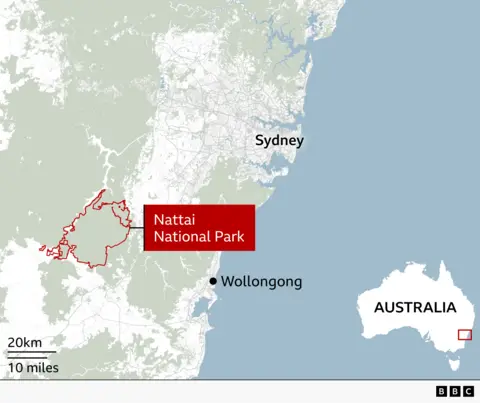
A police spokesperson confirmed to BBC News on Friday that her body had been airlifted from the Nattai National Park, south-west of Sydney.
"A post-mortem examination will be conducted in coming days to formally confirm ID and determine cause of death," the statement said.
Minns had told a state parliamentary hearing on Thursday that crews had found Hooper alive "with half a bottle of water" eight days after she was reported missing. Within 30 minutes, he corrected himself saying "Lily's body has been found" and she was deceased.
Media outlets in Australia widely reported the initial incorrect reports that Hooper was located alive before retracting their stories shortly after.
The miscommunication meant there was a brief window in which her parents believed she was alive.
Speaking on Friday, Minns said he planned to speak directly to Hooper's family to issue a personal apology.
"The government, myself – we're profoundly sorry", he said.
NSW State Emergency Services commissioner Mike Wassing said that codes are often assigned during major searches.
Such terms can avoid sensitive details being shared over radio broadcasts during a search, when friends, relatives and community volunteers are usually involved alongside emergency service personnel and police officers.
"The codes are usually associated with some aspect like that in terms of bottles of water," Wassing told the Australian Broadcasting Corporation, although he did not confirm the cause of the error which is under investigation.
Lanyon said communications can be challenging during large searches in remote locations.
"Tragically, her condition was miscommunicated, and for that I apologise," he said.
Police will review policy and processes to ensure protocols are "foolproof" into the future, Lanyon added.