Beach footpath reopens after WW2 ordnance found

 Mark Denten/BBC
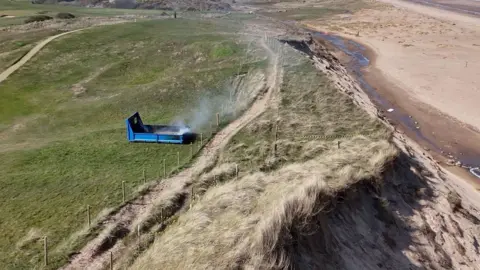
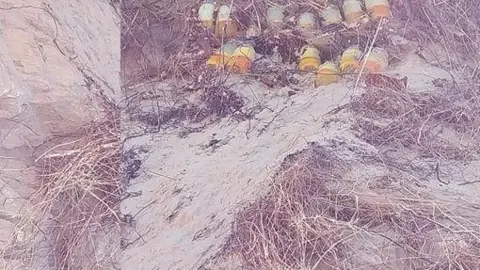
A beach where 150 suspected phosphorus-based grenades from World War Two were found has opened after a two-week closure.
Cleveland Police was called to Crimdon Dene beach, near Hartlepool, on 7 April, where one person was left with minor burns after touching the self-igniting ordnance.
Controlled explosions to dispose of them were later carried out, with Hartlepool Borough Council warning residents and visitors to stay clear while specialist teams cleared the area.
The local authority has confirmed the footpath closest to the area has now been reopened following the clean-up operation.
The Army said its experts found more than 150 self-igniting phosphorus (SIPs) grenades, which were designed to light on contact with the air and produce a flame.
They were WW2 weapons used by the British Home Guard as anti-tank devices.
 Cleveland Police
The Army added there was an extreme risk of severe burns or serious injury if handled incorrectly and advised people to report any suspected SIP grenades they found to the police immediately.
The local authority said: "The footpath has been reopened and the incident is now closed."
