An Ancient Greek coin to a defaced penny: The groundbreaking audio series that explored world history through objects

 Alamy/ Getty Images
In 2010, a BBC radio show was launched called A History of the World in 100 Objects, which recounted two million years of humankind through artefacts. It was a huge hit – and has now inspired a new podcast that explores 250 years of US history in the same way.
What do a clay pot made in Japan 7,000 years ago, a 15th-Century brass statue of a royal figure from Nigeria, and a British coin defaced by a suffragette all have in common? They were among the "objects" selected for the seminal radio programme A History of the World in 100 Objects.
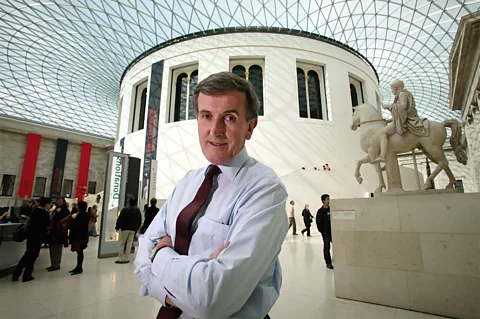
At 09:45 on January 18, 2010, the first episode of this ambitious series began on BBC Radio 4, presented by Neil MacGregor, an art historian who was then director of the British Museum. It began as an audio show, later leading to a worldwide touring exhibition, and it explored two million years of human history through items in the museum’s collection.
The show was a huge success, garnering critical acclaim and regularly winning audiences of up to four million. The novelist and critic Philip Hensher described it as "perfect radio". Historian Dominic Sandbrook said it was "joyously highbrow". Museums and heritage sites all over the country mounted linked events. A related book was a bestseller. So what was it about this radio show that made it so successful?
The idea was that MacGregor and various experts would pick 100 objects from the collection of the museum ranging in date from the beginning of human history, some two million years ago, up to the present. They had to come from all over the world, comprise all sorts of items, from humble, everyday tools to unique and priceless works of art, and be able to tell the story – or a story – of humankind. Each episode would focus on a single object.
 Getty Images
"History used to mean written history," says MacGregor. "That limits you immediately to that small bit of humanity in history that wrote and it also limits you normally to the people that were in control. The main purpose of doing a history through objects was that we wanted to allow people who don't have a voice to be heard. Part of our project was to have a history told by the people who had never been able to tell their story through the things that they made. That, I think, is really important. How do you give a voice to the voiceless of the past?"
The introductory episode explained what the show was all about. The first episode proper was about one of the oldest surviving objects made by humans, a chopping tool from the Olduvai Gorge in Northern Tanzania which is about 1.8 to two million years old. It would have been used as a butchering tool on the beasts of the savannah, getting bigger access to the protein fuelling human beings' increasingly big brains.
Then there was the Japanese pot made about 7,000 years ago in a tradition that even then was almost 10,000 years old. These pots, the first ever made, allowed for extended food preservation and different methods of cooking.
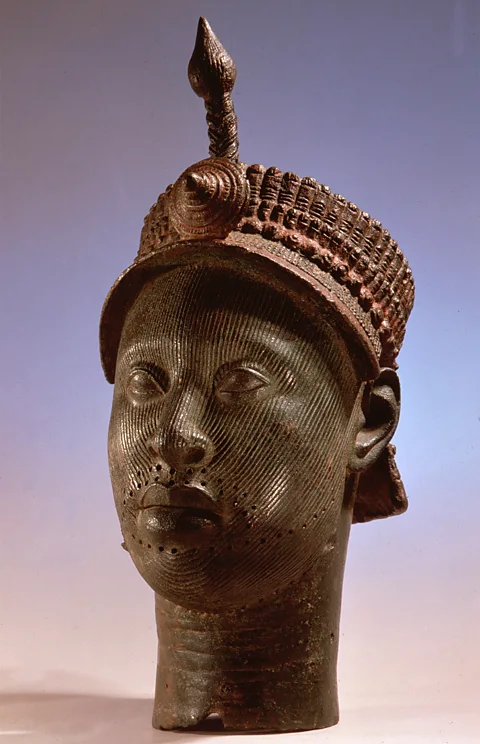
There was an episode about a beautiful brass head discovered in Ife, in Nigeria, one of 13 such heads that were testament to a sophisticated and complicated culture and had a profound impact on the European view of African civilisation.
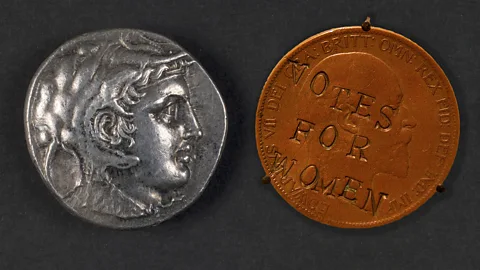
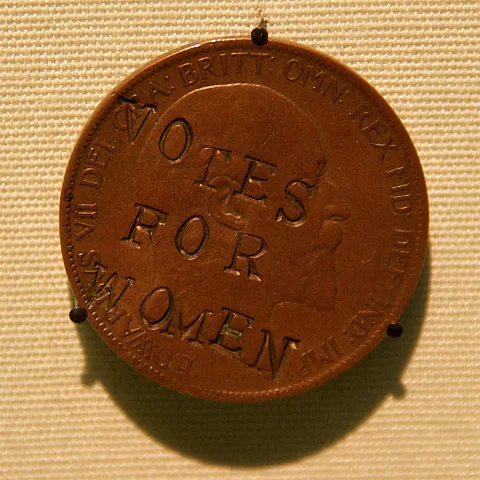
A further episode discussed an Ancient Greek coin depicting the profile of Alexander the Great. Another featured the British penny from around 1913-1914, on which the words "Votes for women" had been stamped over the image of King Edward VII as a protest by the suffragettes. The discussion focussed on what it told us about mass political engagement and 20th-Century power shifts.
 Alamy
AlamySome of the objects covered were mysterious and completely unique, such as the stunning gold cape, made around 1900-1600BC and found at a site in Wales known locally as Fairies' Hill. This ceremonial garment – suitable for a child or a slender woman, purpose unknown – had been painstakingly and with incredible skill beaten out of solid gold. Other objects were ostensibly mundane, such as an unremarkable Victorian tea set or a Korean roof tile. All were fascinating.
More like this:
MacGregor was undoubtedly a key factor in the show's success. He was an exceptional guide: enthusiastic, knowledgeable and articulate. In addition, the bite-sized episodes were appealing – you could be entertained, moved and made to feel smarter in just 15 minutes. But perhaps most importantly of all, it was an optimistic series.
 Getty Images
The big-picture story it told was one of interconnectedness and progress, rather than division and stasis. It seemed to suggest that, as Martin Luther King Jr. said, "the arc of the moral universe is long, but it bends toward justice". It encouraged us to see the history of the world as an ongoing joint project.
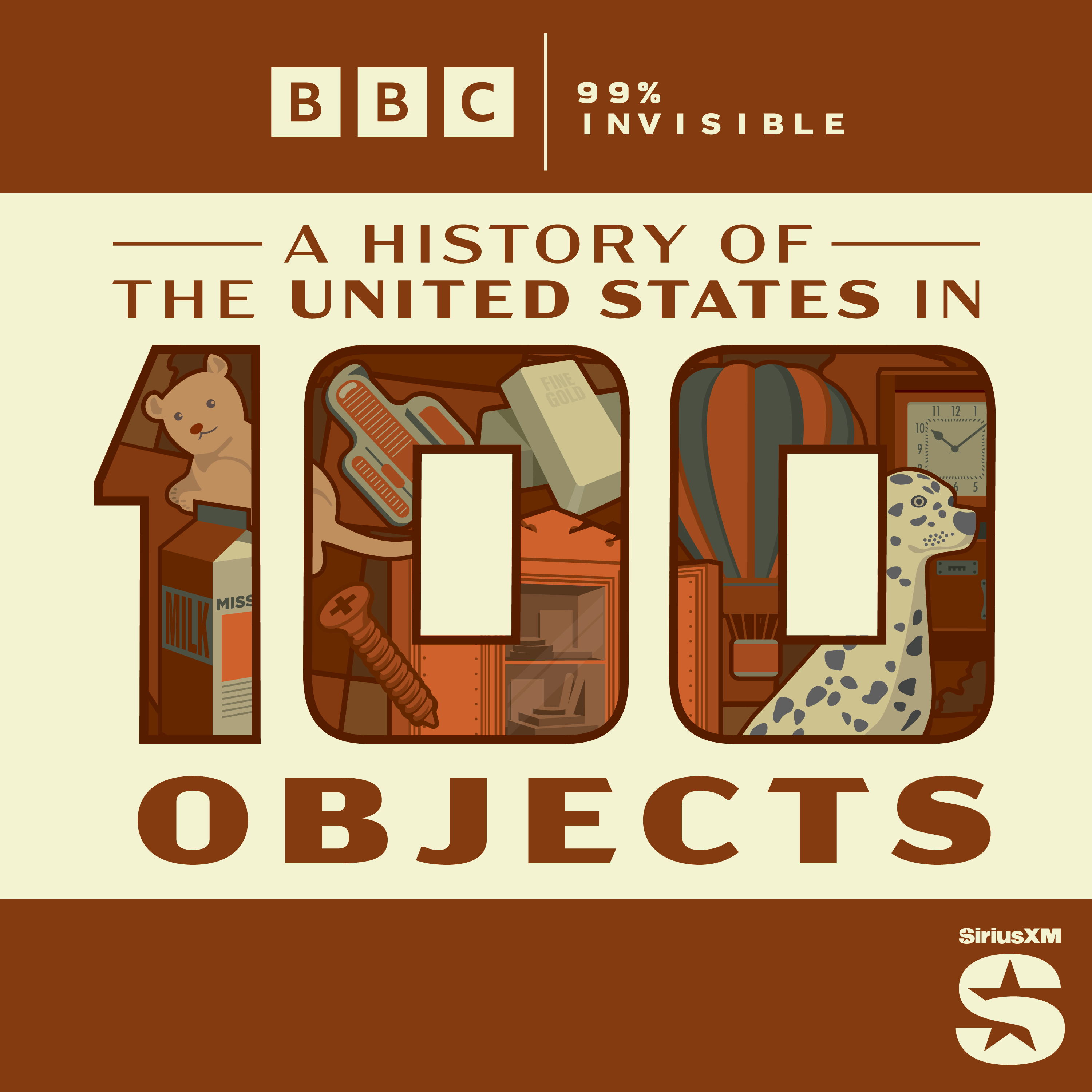
A History of the United States in 100 Objects
100 objects. 100 stories. New episodes of the podcast are released every week. You can listen to it here.
A new version about the United States
And now A History of the United States in 100 Objects is hoping to emulate its success. It aims to tell the story of the US on its 250th birthday. It's a co-production between the BBC and the team behind 99% Invisible, an acclaimed podcast about design and architecture. Presented by 99% Invisible's host and producer, Roman Mars, the show avoids the more well-known and celebrated items in favour of ordinary objects.
"We're trying to get out of the museum and find things that are overlooked, that are thrown away, that are not as important," explains Mars. "We're asking, why is this an American object and what is it saying about us. It's about teasing those things apart and presenting them in cool ways."
For example, one of Mars's favourite episodes is about the book which, after the Bible, is the best-selling book in US history. It was known as "the blue-backed speller", because of its blue cover.
It was first published in 1783 by lexicographer Noah Webster, some years before he published his dictionary, and it presented a method of learning to read. Reprinted throughout the 18th and 19th century – there were 385 editions during Webster's lifetime – it has a very special significance in US history, becoming a tool of liberation.
To find out how, tune in.
--
If you liked this story, sign up for The Essential List newsletter – a handpicked selection of features, videos and can't-miss news, delivered to your inbox twice a week.
