
The Interface
Is AI harvesting your knowledge on the cheap?
Up next





14 May 2026
Available for over a year
AI is coming for your job — but not in the way you think.
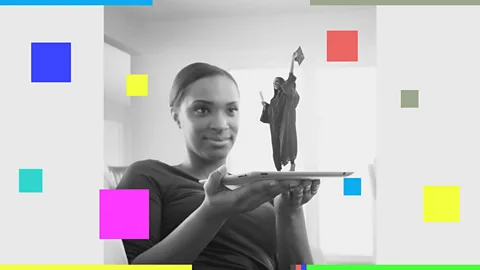
Karen says the real shock isn’t mass replacement (yet). It’s that AI is already reshaping work into something more precarious, more fragmented, and easier to squeeze. Data annotation and “AI training” are booming - but now the growth is in skilled labour. AI firms are hoovering up graduates and specialists to teach models the expertise they still can’t reliably produce. That’s the uncomfortable irony of “PhD‑capable” AI: to get there, it needs real PhDs (and near‑PhDs) feeding it knowledge, task by task. As Sam Altman once put it: “We see a future where intelligence is a utility, like electricity or water, and people buy it from us on a meter.” Meanwhile, the graduate job market is shrinking fast. Is this the “uberisation” of knowledge work - stable careers broken into gigs, paid by the piece, constantly monitored - with workers training the systems that may later deskill or replace them?
Nicky follows the dark logic of the online “health information ecosystem” - a system that profits from panic. A deadly hantavirus outbreak on a cruise ship should be a contained public‑health story (serious for passengers, near‑zero risk for most people). Yet within hours it’s rebranded online as a “plandemic”: vaccines, bioweapons, “Covid 26”. The contradictions don’t slow it down, because the point isn’t truth; it’s engagement. In a world where more people get health advice from influencers and podcasts, fear becomes a business model: whip up anxiety, funnel it to “link in bio”, sell a cure, rinse and repeat. The real danger, Nicky argues, is what this does ahead of the next genuine crisis: an audience already primed to distrust guidance when it really matters.
And Thomas asks: is your car spying on you - and is it about to get worse? Modern cars aren’t just transport; they’re data machines. Connected vehicles can track where you go and how you drive, and that data can be shared or sold, often ending up with insurers and data brokers. The worrying bit: new US rules will push carmakers to add in‑car monitoring (including infrared and biometric systems) to spot tired or impaired drivers - creating an even bigger trove of sensitive data, with few clear limits on how it’s used.
The Interface is your weekly guide to the tech rewiring your week and our world. Hosted by journalists Thomas Germain, Karen Hao, and Nicky Woolf, each episode unpacks, week by week, how technology is shaping all our futures. No guests. No jargon. Just three sharp voices debating the stories that matter - whether they shook a government, broke the internet, or quietly tipped the balance of power.
New episodes every Thursday on BBC Sounds in the UK. Outside the UK, find us on BBC.com or wherever you get your podcasts, or watch the video version on YouTube (search “The Interface podcast”).
To get in touch with the team: theinterface@bbc.com
The Interface is a BBC Studios production.
Producer: Natalia Rodriguez Ford
Executive Editor: Philip Sellars
