Medical waste or miracle cure? Why pesin go wan smuggle human placenta?
Wia dis foto come from, Sebastian Kaulitzki/Science Photo Library
- Author, Asad Sohaib
- Author, Shahzad Malik
- Role, BBC News Urdu
- Published
- Read am in 7 mins
- Warning: Dis article contain graphic images of human tissue.
One syndicate wey dey suspected of smuggling human placentas from hospitals to make anti-ageing injections dey under investigation for Pakistan.
Di Federal Investigation Agency (FIA) don accuse di ring of buying 200kg of organs from various hospitals each month.
Dem go dry and process am bifor dem ship am abroad, na so di FIA tell BBC News Urdu.
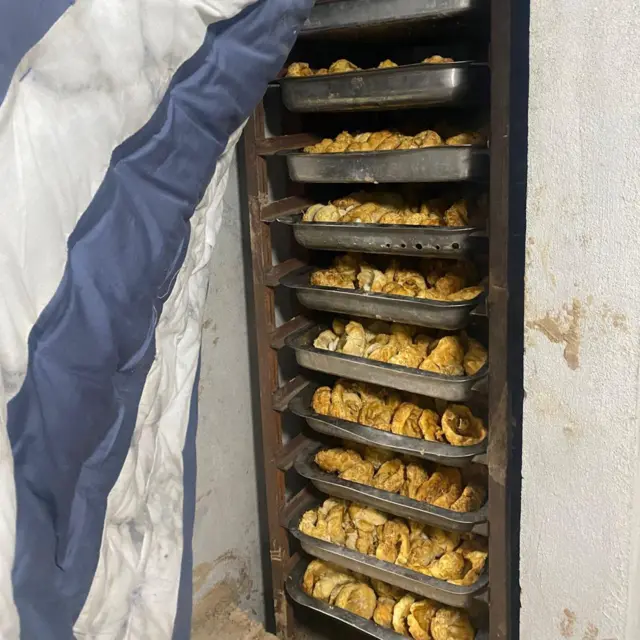
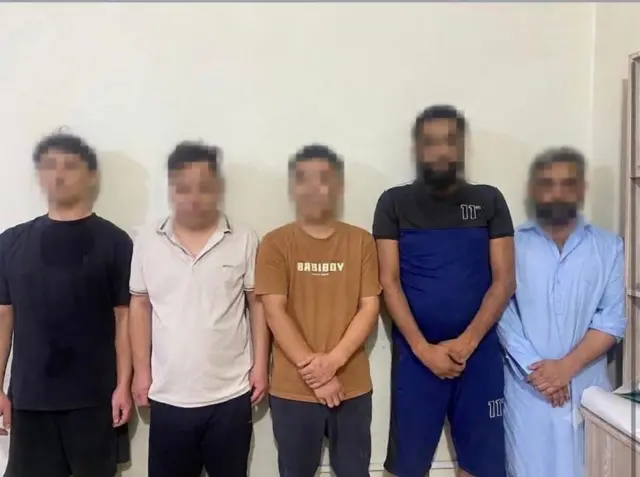
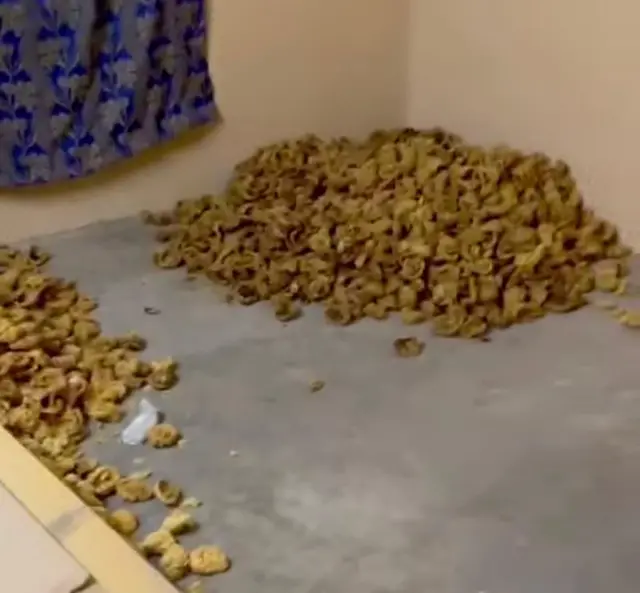
During one raid for Islamabad,di capital, for di end of last month, officials discover 500kg of wetin dem believe to be human placenta for one illegal processing facility, leading to di arrest of five pipo.
Foto dem wey di agency show trays of dried placentas wey dem arrange for trolley carts inside housedem say dem "convert into a facility dem dey use store and process placenta".
Wia dis foto come from, FIA
Di five suspects pay hospitals for Islamabad and Rawalpindi about $2.90 per placenta, wey for no dey possible without di co-operation of hospital administrators, Hina Kanwal, one officer for Pakistan Human Organ Transplant Authority, tell BBC News Urdu.
Dem suppose export am and make dem into anti-ageing injections, and each of dem go cost $2,530, di FIA tok.
Ogbonge demand dey for human placenta for cosmetic surgery, Kanwal tok- but for Pakistan, to buy or sell am dey illegal.
Dose dem find guilty say dem dey harvest human organs for commercial purposes fit dey jailed for up to 10 years and fined up to $3,600.
Di syndicate operations extend into oda large cities, including Lahore and Peshawar, di FIA tok.
Dem also dey investigate immigration officers, waste-management companies and hospitals say dem sef get hand inside.
Wia dis foto come from, FIA
Di FIA before now bin don "take several actions against illegal human organ transplantation", one official tell BBC News Urdu, but dis na di first case wey involveone "organised, international network wey dey deal in human placenta".
Di five suspects initially claim say dem bin dey handle sheep placenta, officials tok, but afta further interrogation dem admit say e dey human.
Separately, FIA officials for Islamabad International Airport bin catch 100kg of human placenta bound for Vietnam, wia to use am inside products dey banned – although dem fit use animal placenta.
And di FIA now don arrest a total of nine pipo suspected of involvement in di human-placenta trade - all still dey for custody.
Wia dis foto come from, FIA
Sadaf Tariq, a gynaecologist for Pakistan, say strict regulations dey govern di disposal of placenta, wey dem consider as a "highly infectious medical waste".
Immediately after di birth, dem dey separate am and tightly seal am inside a yellow biohazard waste bag marked as containing placenta, e tell BBC News Urdu.
"E go den dey transferred from di labour room or operating theatre to di hospital central cooling storage room," to prevent am from rotting and stinking.
Di placenta fit dey stored for up to 24 hours only, Tariq tok.
"After dis, all pathological waste such as di placenta dem suppose throway through di standard medical procedure of incineration," e tok. "Weda na for govment hospital or a private one, e dey follow di same method to dispose am."
Govment-approved waste-management companies dey do dis work, Tariq tok. Wen any hospital give dem dis material, dem dey keep a regular record and dis records dey checked regularly by di authorities.
Traditional medicine use
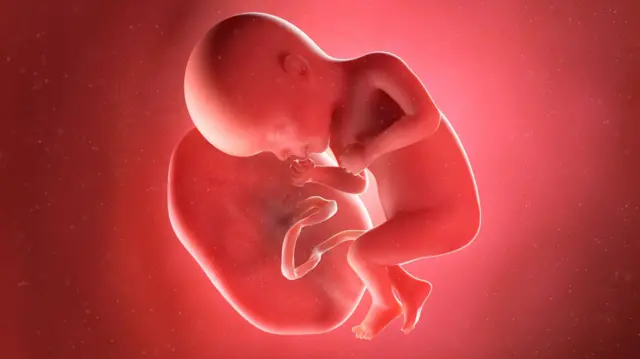
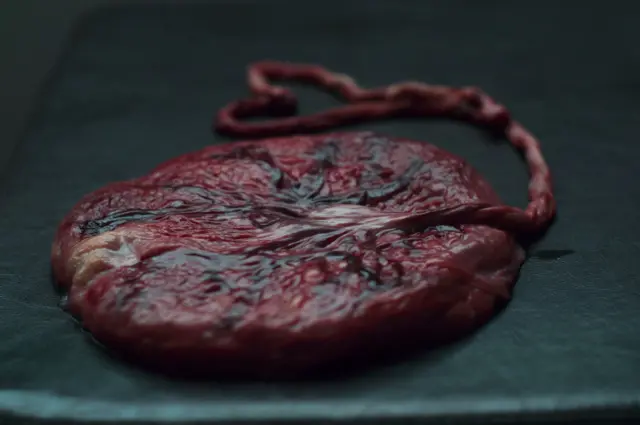
Di placenta na temporary organ wey dey develop for di uterus during pregnancy and e dey sustain di baby life inside di womb.
Connected to di baby through di umbilical cord, e dey deliver oxygen and nutrients while removing waste products.
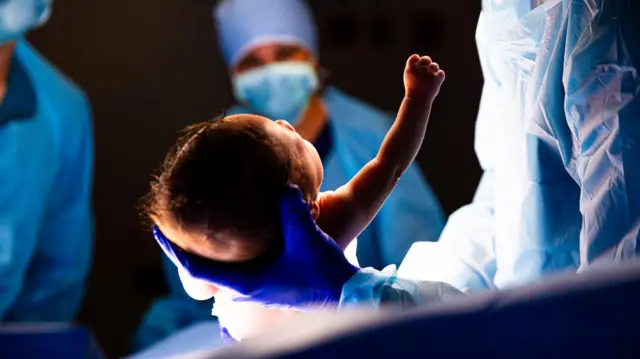
In a natural delivery, di placenta dey come out through di birth canal shortly afta dem born di pikin. During a Caesarean section, doctors dey remove am surgically.
Wia dis foto come from, Getty Images
But some pipo believe say di placenta, wey dey rich in protein, iron and fat, dey nutritious for adults too. Dem dey use Placental extracts for traditional medicine across many cultures for centuries.
Currently valued at more dan $700m globally, di annual legal placenta trade dey expected to rise to above $1.4bn by 2034, according to US-based market-research company Polaris.
Dis growth dey driven by rising demand for pig, sheep, horse - and human - placenta extracts,Polaris tok.
"Di placenta no just dey key in pregnancy - e don also become a star in medicine and science," Polarissenior analyst Nitin Tambe tok.
"From nourishing babies to inspiring medical cures and beauty innovations, di potential e get continue to grow."
Wia dis foto come from, Paola Tellez/Getty Images
Ironically, wen you consider di placenta primary purpose - wey be to sustain life during di earliest stages - many of di products dem dey produce from dis extracts dey target conditions wey link to ageing, including:
- wrinkles
- hair loss
- menopause
- infertility
- arthritis
But di placenta, wey contain large amounts of female hormones such as oestrogen and progesterone, dey used in di preparation of many medicines, wey some dey use to treat postnatal depression.
E also dey used in conditions wia conventional therapies get limited success, including autoimmune and neurological disorders, such as stroke, chronic fatigue, Parkinson's, multiple sclerosis, muscular dystrophy, as well as liver diseases, Crohn's and even cancer.
"Research also suggest say e also dey helpful in medications designed to increase iron levels and treat postpartum anaemia," Tariq tok.
Dem also don make am into pills and injections wey some say fit help tissue regeneration.
"Di inner layer of di placenta in particular dey known for im growth-factor properties. Dem dey also use am for di treatment of surgical procedures such as deep wounds, serious burns, ulcers and eye injuries," Tariq tok.
Scientific evidence behind dis practices different, however, as di regulations around di world also dey different.
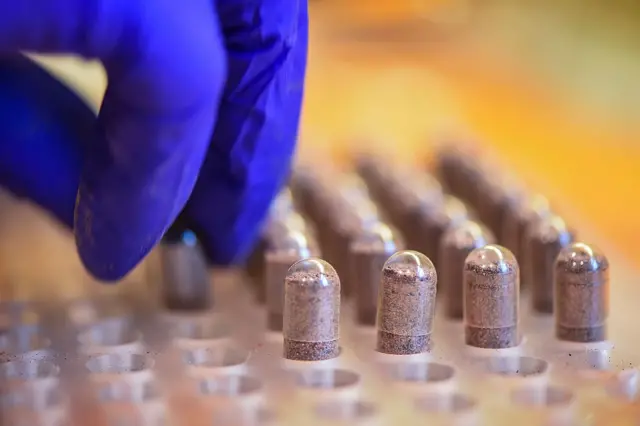
Japan Bio Products (JBP) dey export capsules of 100% powdered placenta as dietary supplements around Asia, some from human and some dey derived from pig or horse placenta, depending on di local market.
"Asians dey more open-minded towards placenta-based products, as some of dem - such as di Chinese - actually get a history of consuming placenta," JBP Association of Southeast Asian Nations manager Winston Ooi tell di NutraIngredients news website.
"Wit more information available online, pipo dey more exposed to placenta products and di demand dey increase ."
China illegal trade
For China, despite di ban on commercial sale, fresh human placenta kontinu to dey traded for underground markets and, disguise under different names, for several online platforms.
One online trader tell di Global Timesnewspaper say e fit sell a single human placenta for more dan $50.
"I fit cut di price to [$40] if you buy more," e tell di govment-controlled newspaper. "We dey purchase di raw material at [$30] per kilogram."
Dose dem catch dey usually pay fines wey dey less dan five times di amount of dia illegal profits, legal expert Zhang Bo tell di paper.
"If di fines dey raised to, for example, 50 times di amount of di illegal profits, offenders fit think twice about di cost of dia crime," e add.
Yao, a traditional Chinese medicine pharmacist for one public hospital for central China Hunan province, tell di Global Times: "In ancient TCM [traditional Chinese medicine], human placenta dey mainly used to enhance immunity, or to treat asthma and bronchitis."
Wia dis foto come from, Tribune News Service via Getty Images
But Shanghai People's Hospital gynaecologist Dr Huang Chengsheng tell di paper say e dey also "possible to dey infected through eating unsanitary placentas", wey fit carry viruses such as HIV, hepatitis B and syphilis.
Anyhow e be, "many new mothers choose to carry dia placenta go house go chop am", rather dan to destroy am, Dr Huang add.
Onenew mum tell di paper both her mother and mother-in-law bin ask if dem fit eat her placenta. "I no want make dem chop am," she tell di Global Times. "E dey disgusting."
Anoda, also for Shanghai, tell di paper say she bin pay one shop near di hospital about $7 to process her placenta into powder and put am for capsules. "Na for my father-in-law, wey get poor health," she add.
Anoda woman - wey dey provide di same service as a door-to-door home delivery for east China Zhejiang province - tell di paper say her business dey affected by online advertising restrictions, "but di actual demand still dey strong".


