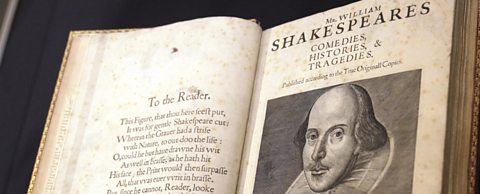
Summary of Macbeth
- Type of play: A type of drama in which characters undergo suffering or calamity and which usually ends with a death. A sad or catastrophic event causing suffering or death.
- Date written: Most likely 1606 (A period in European history from 1300-1600 which saw new scientific discoveries and the creation of great art. literary period)
- Setting: 11th century Scotland
- Themes: Ambition and power, leadership, loyalty, masculinity, marriage and relationships, witchcraft, appearance and reality, violence, fate, conscience and Concerned with the principles of right and wrong behaviour., deception, guilt, nature and stability
- Useful vocabulary: A prediction of what will happen in the future., To speak in a deliberately unclear or misleading way, often to hide the truth or avoid giving a clear answer. Writers use equivocation to create tension or show deceit., To manipulate someone is to control someone to your advantage, often unfairly or dishonestly., Something that could be interpreted in more than one way., Giving excessive or insincere praise to someone, often to gain favour or influence them. , Betraying your country or ruler, often by helping an enemy or plotting against authority. , sacred, Being rude or disrespectful about something sacred or important. In literature, it often shows a lack of respect for religion or moral values., indecisive, Having mixed feelings or contradictory ideas about something or someone., The killing of a king or queen., misleading, Being dishonest or two-faced, saying one thing while secretly doing another., A statement which contains words or phrases that contradict each other, and which raises a question about how both could be true.
Plot
Act I
Where witches set the tone with prophecies; Macbeth’s ambition awakens as Lady Macbeth urges him to kill the King.
| Scene | Main events | Main themes and notes |
|---|---|---|
| 1 | • Three ‘Weird does not mean strange in the modern sense. It comes from the Old English word 'wyrd', which means fate or destiny. Shakespeare is describing the witches as agents of fate.’ or witches meet on the moor and briefly discuss a war that is ending and the fact they will meet Macbeth shortly. | The witches’ speech contains A statement which contains words or phrases that contradict each other, and which raises a question about how both could be true., and Hint at something that will happen later and have greater significance.the play’s main action. Themes: Witchcraft, appearance and reality, fate. |
| 2 | • An injured captain informs King Duncan of Macbeth’s bravery in battle. • Duncan’s enemy surrenders and the King states he must be executed as a traitor. • Duncan agrees Macbeth will be made Thane of Cawdor as a reward for his loyalty. | Macbeth is portrayed as brave and loyal, but potentially brutal. Themes: Ambition and power, leadership, loyalty, masculinity, violence, fate. |
| 3 | • The witches meet Macbeth and Banquo as they ride home; they tell Macbeth he will be Thane of Cawdor and then King, and Banquo that his descendants will also be kings. Macbeth is entranced, Banquo sceptical. • The witches disappear; Ross and Angus arrive to tell Macbeth he is now Thane of Cawdor. Macbeth is troubled but also excited; he and Banquo agree to speak privately about it later. | The differing reactions of Macbeth and Banquo show how Macbeth is more open to the witches message, indicating his underlying ambition. Macbeth thinks of murder almost immediately, but hopes fate will act on his behalf instead of him having to ‘make it happen’. Themes: Ambition and power, witchcraft, appearance and reality, fate. |
| 4 | • His enemy having been executed, Duncan ponders how a traitor can hide their true intentions. Macbeth arrives; Duncan thanks and honours him. He then announces his son Malcolm will succeed him as King, further complicating Macbeth’s path to the throne. • Duncan and his party decide to stay at Macbeth’s castle for the night; Macbeth heads home to prepare the castle, hoping he can conceal his ambition. | The treachery of the old Thane of Cawdor foreshadows Macbeth’s terrible actions; Macbeth enters just as Duncan muses on how people like the former Thane can seem outwardly loyal but be traitorous within. Themes: Ambition and power, leadership, loyalty, appearance and reality, fate, conscience and morality, deception, nature and stability. |
| 5 | • At their castle in Inverness, Lady Macbeth reads a letter from her husband regarding the witches’ prophecy. She shares his ambition for power, but worries that he is too weak and loyal to actively seek it. • She resolves to goad Macbeth into killing the king by questioning his masculinity and courage. • A servant brings news that the King will come to stay; Lady Macbeth sees this as fate and vows to steel herself for violence and murder. • Macbeth arrives and she tells him to leave the plans to her. | It is clear the Macbeths are close and trust each other; Lady Macbeth, however, shows a manipulative side. She calls on evil, aligning herself to the witches, and takes control of the situation, pushing Macbeth into action. Themes: Ambition and power, leadership, loyalty, masculinity, marriage and relationships, witchcraft, fate, conscience and morality. |
| 6 | • King Duncan, his sons and a handful of other thanes arrive at Macbeth’s castle to celebrate the victory and stay overnight; they remark on the fresh air and birds nesting at the castle. • Lady Macbeth greets them warmly, but Macbeth is absent – overcome by the thought of what they are going to do. | Duncan’s last appearance is associated with nature and beauty, surrounded by loyal thanes and about to engage in a feast – the last scene of normality and stability in the play. Themes: Loyalty, marriage and relationships, appearance and reality, deception, guilt, nature and stability. |
| 7 | • Alone, Macbeth mulls over the murder and decides against it, valuing his honour and knowing the sin of regicide would destroy him. • Lady Macbeth arrives and he says he won’t do it – she mocks his manhood and says his word is worth nothing. • Macbeth asks what will happen if they fail, but she replies that they won’t if they’re brave, and tells him her plan. He is persuaded to go ahead. | A significant scene to analyse for the power dynamics between the Macbeths, an overview of their respective motives and the manipulation Lady Macbeth employs to get the plot back on track. Themes: Ambition and power, leadership, loyalty, masculinity, marriage and relationships, fate, conscience and morality, guilt. |
Act II
Where Macbeth murders Duncan, and both he and Lady Macbeth begin to suffer intense guilt
| Scene | Main events | Main themes and notes |
|---|---|---|
| 1 | • Late at night, Banquo and his son Fleance talk with Macbeth. Banquo has been troubled over the witches; Macbeth lies and says he hasn’t thought about it but that they should talk soon. • Alone, Macbeth sees a dagger in the air but cannot hold it. He hears the bell Lady Macbeth rings to let him know the guards have passed out, and goes to commit the murder. | Banquo here provides one last glimpse of the kind of man Macbeth has been – concerned with honour and willing to talk. The course of this night will change Macbeth forever. Themes: Ambition and power, appearance and reality, violence, fate, conscience and morality, deception. |
| 2 | • Lady Macbeth waits for her husband, tense and nervous. He arrives and says he has done it; he is deeply shaken and has the murder weapons with him. • She is angry he hasn’t left the daggers and leaves to plant them at the scene. • Macbeth hears a knock at the gate and grows more agitated. Lady Macbeth returns and ushers him away. | The overwhelming guilt of both is foreshadowed in this scene – Lady Macbeth saying Duncan looked like her father as he slept, and Macbeth’s anguished reaction. Both have blood on their hands, literally and A metaphor is a word or a phrase used for dramatic effect, to describe something as if it were something else., and neither will sleep well again. Themes: Ambition and power, marriage and relationships, appearance and reality, violence, conscience and morality, guilt. |
| 3 | • The knock at the gate is answered by a porter who jokes about hell and alcohol. He lets in Macduff, who goes to wake the King, and Lennox, who speaks of a violent storm the night before. • Macduff discovers the body and is horrified; Macbeth, pretending he is just awake, and Lennox run to Duncan’s room. Others rise from the commotion. • Macbeth returns saying he has killed the guards as prime suspects. Lady Macbeth pretends to faint to distract attention from Macbeth’s rash action. • Duncan’s sons, knowing they are now under threat, quickly and privately agree to part company and flee for their lives. | This scene is the last time Macbeth and Lady Macbeth are seen truly acting together as equals in a team (albeit a murderous one). The stress of their deed will tear their close relationship apart from now on. The storm Lennox mentions is a sign of nature being disrupted – the rightful king is dead and so the world itself and the natural order of things will all be thrown into chaos. Themes: Ambition and power, leadership, loyalty, marriage and relationships, appearance and reality, violence, fate, conscience and morality, deception, guilt, nature and stability. |
| 4 | • Ross speaks with an old man about unnatural events – darkness in daytime and usually peaceful animals attacking each other. • Macduff arrives and the three discuss the murder and how the disappearances of Malcolm and Donalbain indicate their guilt. • It is noted that Macbeth is to be crowned the new king. | Macbeth’s coronation is not attended by Macduff, who has suspicions of him already. The unnatural occurrences discussed in this scene are an indication of the far-reaching chaos Macbeth has already caused. Themes: Ambition and power, leadership, loyalty, witchcraft, violence, fate, nature and stability. |
Act III
In which Macbeth secures his throne but paranoia drives him to kill Banquo; his mental state deteriorates.
| Scene | Main events | Main themes and notes |
|---|---|---|
| 1 | • Banquo is suspicious of Macbeth’s ascension, and wonders if his own prophecy will also come true. • Macbeth invites Banquo and Fleance to return in the evening for a banquet – he then summons two murderers and instructs them to kill the pair as they ride to the castle. • Alone, he muses on the frustrating idea that, having no children himself, he has committed a grave sin that will truly benefit only Banquo’s future descendants, and not Macbeth. | Macbeth has achieved the crown but he cannot rest and enjoy it; he is already warped by power, showing greater cynicism and insecurity than before. He is also growing better at deception and manipulation, as seen in how he persuades the murderers with similar tactics to the ones used on him by Lady Macbeth. Themes: Ambition and power, loyalty, masculinity, witchcraft, appearance and reality, violence, fate, conscience and morality, deception, guilt. |
| 2 | • Lady Macbeth awaits Macbeth and seems ill at ease and alone. • When he enters he is preoccupied with Banquo and other threats to his throne, and seems agitated. • He refuses to confide in her about his plan for Banquo, instead telling her she will find out when it is done. | The Macbeths’ tight partnership is clearly unravelling; he is now plotting and manipulating without her, and she is isolated and unhappy. Themes: Ambition and power, loyalty, masculinity, marriage and relationships, conscience and morality, deception, guilt. |
| 3 | • The murderers wait by the path for Banquo and Fleance to ride by. They botch the attack – Banquo is killed but Fleance escapes. | Macbeth has now added his closest friend to the list of those he has murdered, but the prophecy of Banquo’s kin achieving the throne remains intact – Macbeth’s terrible actions cannot overcome fate. Themes: Ambition and power, violence, fate. |
| 4 | • Macbeth welcomes his guests to the feast but briefly leaves to speak secretly with one of the murderers; he is informed of Fleance’s escape. • On returning to the table, he cannot find an empty seat; when one is pointed out to him, he sees Banquo’s blood-covered ghost sitting there. He shouts at the chair all the others see as empty, alarming everyone present. • Lady Macbeth tries to cover up Macbeth’s disruptive rant by explaining he sometimes has fits and will soon be fine, but he cannot contain his horror and guilt and she has to ask the thanes to leave. • Macbeth resolves to visit the witches for reassurance, and notes he has now committed so many wrong and violent acts, he might as well continue on an evil path. | Having seemed so sure of his power earlier, Macbeth is reduced to ranting crazily in front of his most important comrades, raising suspicions in all of them. Lady Macbeth’s last attempt to cover for her husband and hold on to their questionable achievement falls flat; everything is unravelling for the ambitious pair. Themes: Ambition and power, loyalty, marriage and relationships, witchcraft, appearance and reality, violence, fate, conscience and morality, deception, guilt, nature and stability. |
| 5 | • The witches meet with Hecate, the powerful and ancient goddess of witchcraft; she is angry with them for targeting Macbeth without first checking with her. • She says Macbeth will visit them tomorrow and agrees to help them put on a show for him. | Themes: Witchcraft, appearance and reality, fate, deception, nature and stability. |
| 6 | • Lennox and a fellow thane speak of Banquo’s murder, sarcastically noting how suspicious it is that Fleance is accused just as Duncan’s sons were. • Macduff is said to be in England trying to join forces with Malcolm as the rightful king and raise an army to defeat Macbeth – under his tyrannical rule, the country is suffering. | The lords openly suspect Macbeth now; he has lost their respect and loyalty as well as his control of the situation. Macduff is now his opponent, representing the honour he has given up. Themes: Leadership, loyalty, appearance and reality, violence, fate, conscience and morality, nature and stability. |
Act IV
Macbeth returns to the witches for more prophecies, leading to more violence, including the murder of Macduff’s family.
| Scene | Main events | Main themes and notes |
|---|---|---|
| 1 | • Macbeth visits the witches and demands information from them. They conjure three apparitions to answer his questions. • The first, a head in a war helmet, tells him to beware Macduff. • The second, a child covered in blood, says no one born of a woman can harm Macbeth. • The third is another child, wearing a crown and holding a tree, proclaims that Macbeth will remain undefeated until Birnam Wood comes to Dunsinane. • Largely reassured, Macbeth demands to know of Banquo’s descendants. The witches conjure a line of eight kings followed by Banquo’s ghost, confirming Macbeth’s fears, and disappear. • Informed by Lennox of Macduff’s exploits in England, Macbeth vows to kill Macduff’s innocent family as revenge. | The three apparitions are each A literary device where an object, person, place, or event represents something beyond its literal meaning. of a character, though Macbeth is unaware of this at the time. He himself is the first, his fate symbolised by the disembodied head. The child covered in blood symbolises Macduff’s A way of giving birth in which a cut is made in the mother's stomach and the baby is taken out. birth, and the crowned child is Malcolm, who will soon take up his birthright as King of Scotland. The cruel deception of the witches is mirrored by Macbeth’s own cruelty and deception; they recognise him being as evil as they are. Themes: Ambition and power, leadership, witchcraft, appearance and reality, violence, fate, conscience and morality, deception, nature, and stability. |
| 2 | • In Macduff’s castle, his wife is hurt and angry at his absence, demanding to know whether a real man would leave his family alone, even for the sake of his country. • She is talking with her young son when a messenger arrives to warn them of danger. • Before they can flee, Macbeth’s murderers arrive, kill the son and chase the mother to kill her too. | Just as their husbands are opposites, Lady Macduff here is also shown as an opposite or A character who is an opposite to another, used to emphasise the contrast between their different qualities.for Lady Macbeth – a nurturing mother and concerned wife who is more attuned to the needs of the family than the state. Themes: Leadership, loyalty, masculinity, marriage and relationships, violence, fate, conscience and morality, nature and stability. |
| 3 | • In England, Macduff tries to persuade Malcolm to raise an army and defeat Macbeth. • Malcolm suspects a trap. To test Macduff, Malcolm portrays himself as riddled with vices and a worse potential ruler than even Macbeth. Macduff’s despair at hearing this convinces Malcolm of the thane’s loyalty to Scotland; he reveals he is a virtuous and worthy man, and has an army ready to move against Macbeth. • Ross arrives. He tells Malcolm the people of Scotland are ready to support him against Macbeth, then delivers the dreadful news about Macduff’s family. Macduff is anguished and recognises he should not have left them unprotected. The men resolve to set off and avenge them. | Malcolm employs deception but for justified and useful reasons – to protect himself against the kind of treachery that killed his father, and to test the honour of Macduff. In doing so, his potential to be a worthy king is clearly shown – one who will be as virtuous as his father was, but not as blindly trusting. Macduff’s reaction of shock, horror, and grief at the loss of his family is aligned to a sense of true manhood, implying emotion is as important for men as ambition, bravery or brutality. Themes: Leadership, loyalty, masculinity, marriage and relationships, appearance and reality, violence, fate, conscience and morality, deception, guilt, nature and stability. |
Act V
The one where Lady Macbeth descends into madness and dies, Macbeth is defeated and killed by Macduff, and Malcolm takes the throne.
| Scene | Main events | Main themes and notes |
|---|---|---|
| 1 | • An attendant waits at night with a doctor she has called, asking him to witness the repeated and worrying behaviour of Lady Macbeth. • Lady Macbeth emerges, sleepwalking and reliving the night of Duncan’s murder. She mimes washing blood from her hands and seems distressed it will not wash off. She leaves, beckoning Macbeth to come to bed as she did after the murder. • The doctor states that she is beyond his help – her ailment is spiritual, not physical. | Lady Macbeth’s A speech performed by a character, often depicting that person thinking or talking aloud to his or herself. portrays her deep disturbance – her guilt is inescapable. As foreshadowed after the murder, the metaphorical blood remains on her hands, and she cannot sleep or find peace. She is such a pitiful figure now that even though her speech makes her crime very clear to the witnesses, the doctor says he will not tell what he has seen. Perhaps he realises she cannot live much longer like this. Themes: Marriage and relationships, appearance and reality, violence, fate, conscience and morality, guilt, nature and stability. |
| 2 | • A force of Scottish lords, including Lennox and Angus, ride to meet Malcolm and his English forces at Birnam Wood. • They discuss how Macbeth has been fortifying his castle and how the soldiers that fight for him do so without loyalty, out of fear and obedience. | A showdown with Macbeth is imminent. Metaphors of ill-fitting clothes show how badly suited he is to leadership; everyone is ready for him to be unseated. Themes: Ambition and power, leadership, loyalty, fate, conscience and morality, deception. |
| 3 | • Macbeth receives word of the forces amassing against him – he is angry but not worried, relying on the prophecies for security. He calls his servant to dress him in armour for battle, and wearily considers how joyless and isolated his life has become. • As he readies himself for fighting, he responds angrily to the doctor about his failure to ‘cure’ Lady Macbeth’s illness. | It’s notable how bad-tempered and weary the sleep-deprived Macbeth is in this scene, and how hopelessly he regards his future even though he still feels that he cannot be beaten in battle. His guilt has robbed him of all comfort and joy. Themes: Ambition and power, leadership, marriage and relationships, appearance and reality, violence, fate, conscience and morality, guilt. |
| 4 | • At Birnam Wood the Scottish forces have met up with Malcolm and his English army, and are preparing to attack. • Malcolm instructs each man to cut a bough from a tree and carry it over him to hide their numbers as the forces approach. | This scene offers the first sly indication that Macbeth has been deceived and that the prophecies will trick him, not protect him. Themes: Leadership, witchcraft, appearance and reality, violence, fate, deception, nature and stability. |
| 5 | • Macbeth notes he fears no siege from the approaching enemy, then adds that he has almost forgotten fear altogether because it seems so long since he has felt that way. • A cry of women inside the castle marks the death of Lady Macbeth. • Macbeth’s reaction to the news is numb and muted, and he notes how everything is meaningless in life. • A messenger tells him Birnam Wood is ‘moving’ towards the castle. Realising he has been tricked, Macbeth is both enraged and fearful – he resolves to ride out and fight. | Despite his former love and admiration for her, Macbeth can barely react to his wife’s death. The news that really jolts him to life is the message indicating he has been lied to and is not, in fact, safe through the prophecies. It is worth noting his reaction here shows echoes of his old bravery – his true self that had withered under the prophecies. Themes: Ambition and power, leadership, marriage and relationships, appearance and reality, violence, fate, conscience and morality, deception, nature and stability. |
| 6 | • Malcolm orders the troops to throw down their tree boughs and reveal their huge numbers. • The first wave of the attack on Macbeth’s castle commences. | A brief and driven scene evoking the speed and chaos of battle. Themes: Leadership, loyalty, appearance and reality, violence, fate, deception, nature and stability. |
| 7 | • Macbeth encounters and kills young Siward, son of the English lord Siward. He exits the scene before Macduff enters, seeking Macbeth to kill him. • Malcolm and Siward enter Macbeth’s castle, which has been easily taken since Macbeth’s soldiers do not want to fight for him. | Macbeth’s restatement of the prophecy that he fears no one born of woman is a reminder to the audience of the final prophecy – the key, as he believes, to all his power. Themes: Ambition and power, leadership, violence, fate, conscience and morality. |
| 8 | • Macbeth knows he has lost the battle yet clings to the prophecy when Macduff discovers him, insisting it is not worth the effort to fight him since he cannot be harmed. • Macduff reveals he was not ‘born’ but delivered by caesarean section. Enraged and fearful, Macbeth curses the witches for deceiving him and says he will not fight Macduff. • Macduff’s threat of being paraded as a prisoner and mocked is too much to bear; Macbeth defiantly vows to fight Macduff, knowing he will lose. They fight and Macbeth is killed. • Malcolm, Siward and the other lords enter and Siward is informed of his son’s death – he feels his son died with honour. Macduff enters with Macbeth’s head upon a pole. Malcolm is declared king and promises titles to his supporters. | Macbeth’s final scene shows some last glimpses of his former bravery, though it does nothing to redeem his terrible deeds. Macduff achieves his revenge and beheads Macbeth, in a symbolic echo of the first apparition that warned Macbeth to beware Macduff. Malcolm’s speech at the end indicates a new future for the country, with political (and, by extension, natural) order restored by a righteous and rightful king. Themes: Ambition and power, leadership, loyalty, masculinity, witchcraft, appearance and reality, violence, fate, conscience and morality, deception, nature and stability. |
Note: The number of scenes in Act V varies by edition and can be anything from seven to 11 separate scenes, depending on which version of the text you study; here we have broken it into eight scenes.
Test your knowledge of the plot of Macbeth
Macbeth performed
Macbeth on Radio 4. audio
Listen to David Tennant playing the tyrannical Scottish King.
Orson Welles's Macbeth. video
Orson Welles's classic film version of Shakespeare's play.
The BBC Television Shakespeare - Macbeth. video
Watch the tragedy by William Shakespeare about how ambition can corrupt.
Further study
The study of Shakespeare, controlled assessment guidance. activity
Unit 3 of the CCEA GCSE English Literature qualification is a controlled assessment unit based on the study of a play by William Shakespeare.
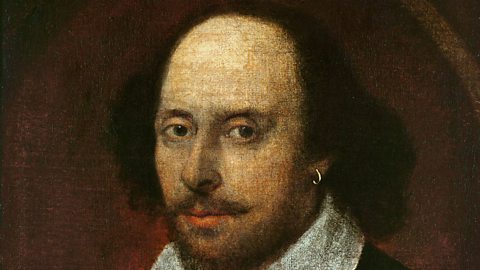
Macbeth characters - a musical summary. video
This animated music video provides useful information (and important quotes) about the characters in Shakespeare’s play, Macbeth.
In our time - Macbeth. podcast
Melvyn Bragg and guests discuss Shakespeare's tragedy of ambition where Macbeth saves his King from one revolt only to murder and replace him, to fulfil a witches' prophecy.
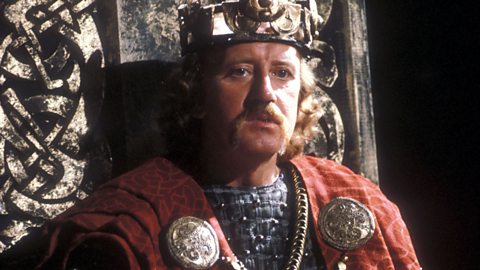
Macbeth - plot. video
This is an animated music video about the plot of Macbeth by William Shakespeare.
Macbeth - Plot. podcast
Jean Menzies and Carl Anka explore the plot of Macbeth.

Bitesize GCSE English Literature - Macbeth. podcast
Jean Menzies and Carl Anka help you revise the plot, characters, and key themes of the play, and pick out the best quotes to use in your exams.
More on Macbeth
Find out more by working through a topic
- count2 of 5
- count4 of 5
- count5 of 5