

EXPLORE EPISODE EIGHT - 12 to 9
Local Navigation

Bringing to life spectacles of natural wonder on our doorstep
No.9
Basking Sharks
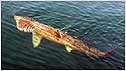
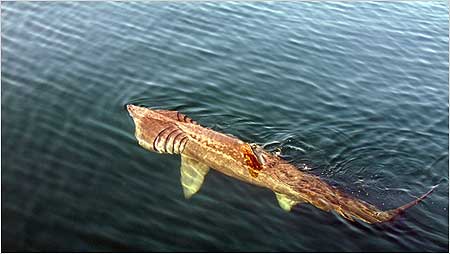
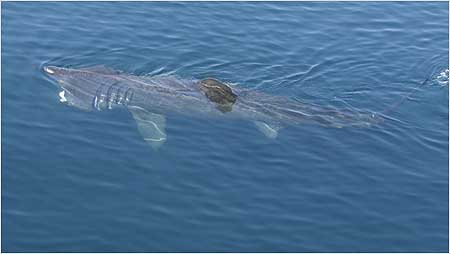
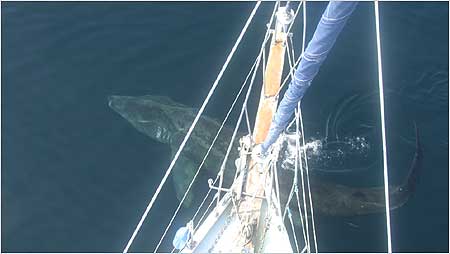
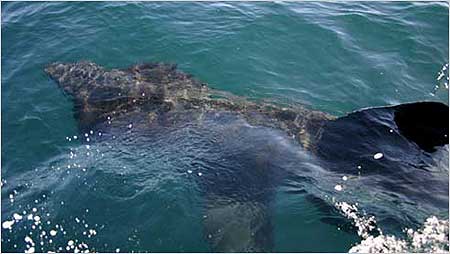
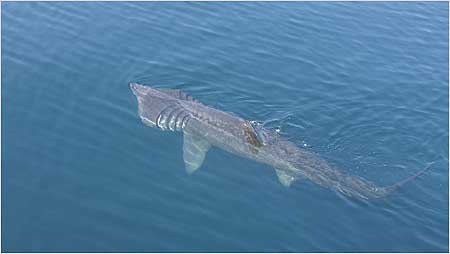
The Basking Shark is distantly related to the Great White Shark and has 1,600 teeth! Basking Sharks can be spotted all around the British Isles coast, but are most commonly seen off the west coast of the UK as well as the west and east coasts of Ireland.
It's one of the biggest mammals in the world - most sharks are around 30 metres in length, and are similar in size and weight to a double decker bus.
It is called a Basking Shark because many years ago fishermen saw them close to the surface and thought they were sun bathing.
In order to eat sufficient food, each shark needs to filter about 2.000 cubic metres of water every hour - about the amount of water in a large swimming pool.
Shark courtship behaviour sometimes includes nose to tail following, parallel swimming and breaching - the males hold on to females and twist around.
Photo credits
Basking Sharks images copyright and courtesy of Hebridean Whale and Dolphin Trust and Rob Pickering.
Photo gallery images courtesy and copyright of Hebridean Whale and Dolphin Trust and Rob Pickering plus Tony Oliver and Coll Digital Images.
Web links
Photo gallery
Watch and Listen
Join a Basking Shark expedition off the Hebrides in Scotland with presenter Janet Sumner:
Help playing audio/video
Tips
Tips for viewing this species:
Habitat
The seas around Cornwall are great for marine wildlife - they're home to the Basking Shark, a mammal the size of a bus.
There are healthy numbers of these sharks around British shores but they are threatened elsewhere. Many in East Asia are hunted for fin soup, and they have only recently been granted protection in other parts of Europe.
Some sharks are found each year having been entangled in fishermen’s nets. There’s also a problem with disturbance from boat owners and pleasure craft.
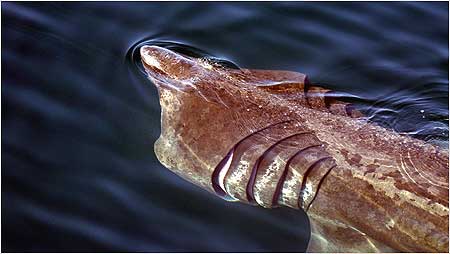
The Basking Sharks are attracted by their favourite food - plankton. They take gallons of water and pass it out through their large gills while tiny hair-like instruments inside the mouth sift out the plankton.
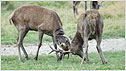
No. 12 - Rutting deer
One of nature's great spectacles is deer rutting. Red Deer mate between late September and November when the mature stags seek out female hinds.
Best places to see - Lyme Park (Cheshire), New Forest, Galloway Forest.
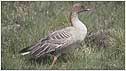
No. 11 - Flocks of Geese
Flocks of geese are one of the most spectacular sights in the animal kingdom due to their sheer numbers and swooping patterns in the skies above.
Best place to see - Snettisham (North Norfolk).
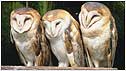
No. 10 - Barn Owls hunting
The Barn Owl is one of the UK’s most popular birds with its stunning heart-shaped white face and gold-beige plumage. Look out for them hunting.
Best places to see - Norfolk, Great Ouse (The Wash) and farming areas.


Also on Nature's Top 40
BBC Nature & Wildlife
More from bbc.co.uk nature

BBC iD
BBC iDBBC navigation
BBC links

BBC © 2014The BBC is not responsible for the content of external sites. Read more.
This page is best viewed in an up-to-date web browser with style sheets (CSS) enabled. While you will be able to view the content of this page in your current browser, you will not be able to get the full visual experience. Please consider upgrading your browser software or enabling style sheets (CSS) if you are able to do so.
