

EXPLORE EPISODE EIGHT - 12 to 9
Local Navigation

Bringing to life spectacles of natural wonder on our doorstep
No.10
Barn Owls hunting
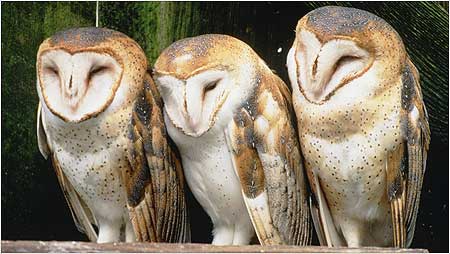
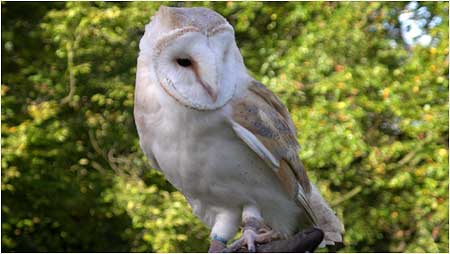
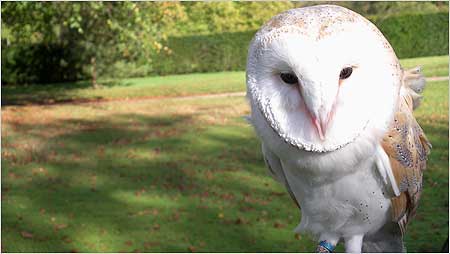
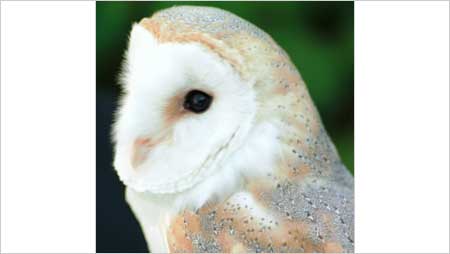
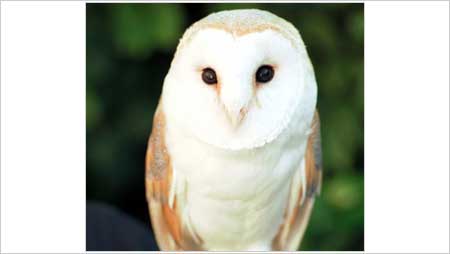
The Barn Owl is one of the UK’s most popular birds with its stunning heart-shaped white face and gold-beige plumage.
Five species of owl live wild in the UK - the Barn Owl, Tawny Owl, Little Owl (often seen in daytime perched on buildings or trees), the Short Eared and the Long-Eared Owl.
Barn Owls are nocturnal, and are best seen in the evening or during their last hunt in the early morning. These birds are wonderful hunters and their big eyes are designed for hunting at night.
They have exceptional hearing – the radial feathers around the face help together with the shape of their faces. As a result Barn Owls can gather sound for the ear cavity behind the eyes.
Web links
The BBC is not responsible for the content of external internet sites.
Photo gallery
Watch and Listen
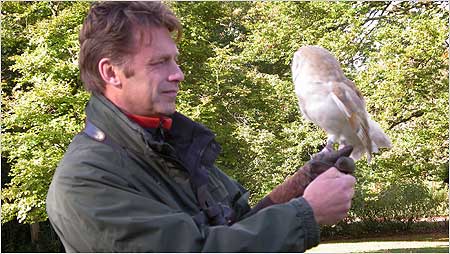
Watch a Barn Owl hunting and find out more about this remarkable bird with presenter Sanjida O'Connell:
Listen to the sound of a Barn Owl on the RSPB website:
Help playing audio/video
Tips
Tips for viewing this species:
- Get up early! Barn Owls are nocturnal creatures, and are best seen in the evening or during their last hunt in the early morning. Barn Owls are particularly striking by the first rays of the morning sun
- Check the weather forecast. Barn Owls don't like to fly in the rain so they get very hungry after a wet period. The best time to see these fabulous creatures is an evening in mid June, especially if it’s been raining the previous night.
- Good places to see Barn Owls include Hickling, Great Ouse (The Wash), Rainton Meadows (County Durham) and Castle Eden Dene (County Durham).
- Watch for the owls hunting low over the ground in search of voles and small mammals. Also check for them on perching places.
- Don't forget your binoculars if you're watching from a distance. Camouflage yourself against a tree or hide so you can't be spotted. Be patient and don't make a noise that might frighten off the hunting Barn Owls.
- These birds are a year round spectacle. A mid-summer evening is a lovely time to see Barn Owls as is dawn in the middle of winter.
Habitat
The main habitats for Barn Owls are open country especially farmland, coastal marshes and woodland fringes.
Barn Owls hunt over open rough land with grass long enough for prey to feel safe but short enough for the owl to find its favourite food.
Numbers have fallen over the past 50 years as a result of the loss of habitats. Intensive farming has destroyed many of the Barn Owls’ traditional hunting grounds. The return of uncultivated field margins are helping, but even in counties where there is plenty of food, Barn Owls have struggled to find places to live
As the name suggests, Barn Owls nest in barns or rather they used to. They also roost in hollow trees, ruins and a few church towers. However many barns have been converted, and the bird's nesting sites are disappearing. In some nature reserves conservationists and farmers are putting up nesting boxes to encourage the birds.
The nest site needs to be close to a good hunting ground – usually no more than a kilometre away.
Barn owls feed on voles, mice, rats and shrews. They hover low over the fields, hovering when they see prey, before dropping down, covering with their wings.
The number of Barn Owls varies widely from year to year - a boom in the vole population causes a similar boom for the Barn Owl. But that’s often followed by a crash the following year - we're not sure why this happens and when we work it out, it might let us give more help to the owls.
While the young are in the nest, the adults are out hunting whenever they can. They don’t like to hunt in the rain, or in daylight, but it’s summer and with short nights and hungry chicks, parents are often visible in the early evening, desperate for breakfast after their daytime sleep.
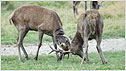
No. 12 - Rutting Deer
One of nature's great spectacles is deer rutting. Red Deer mate between late September and November when the mature stags seek out female hinds.
Best places to see - Lyme Park (Cheshire), New Forest, Galloway Forest.
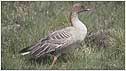
No. 11 - Flocks of Geese
Flocks of geese are one of the most spectacular sights in the animal kingdom due to their sheer numbers and swooping patterns in the skies above.
Best place to see - Snettisham (North Norfolk).
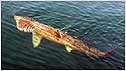
No. 9 - Basking Sharks
The Basking Shark is distantly related to the Great White Shark and can be spotted all around the British Isles coast.
Best place to see - Hebrides (Scotland).


Also on Nature's Top 40
BBC Nature & Wildlife
More from bbc.co.uk nature

BBC iD
BBC iDBBC navigation
BBC links

BBC © 2014The BBC is not responsible for the content of external sites. Read more.
This page is best viewed in an up-to-date web browser with style sheets (CSS) enabled. While you will be able to view the content of this page in your current browser, you will not be able to get the full visual experience. Please consider upgrading your browser software or enabling style sheets (CSS) if you are able to do so.
