Premier League breaks transfer record for second straight summer

Elliot Anderson, Morgan Rogers and Sandro Tonali cost a combined £333m this summer
- Published
Premier League clubs have broken their all-time summer transfer record after spending reached £3.198bn.
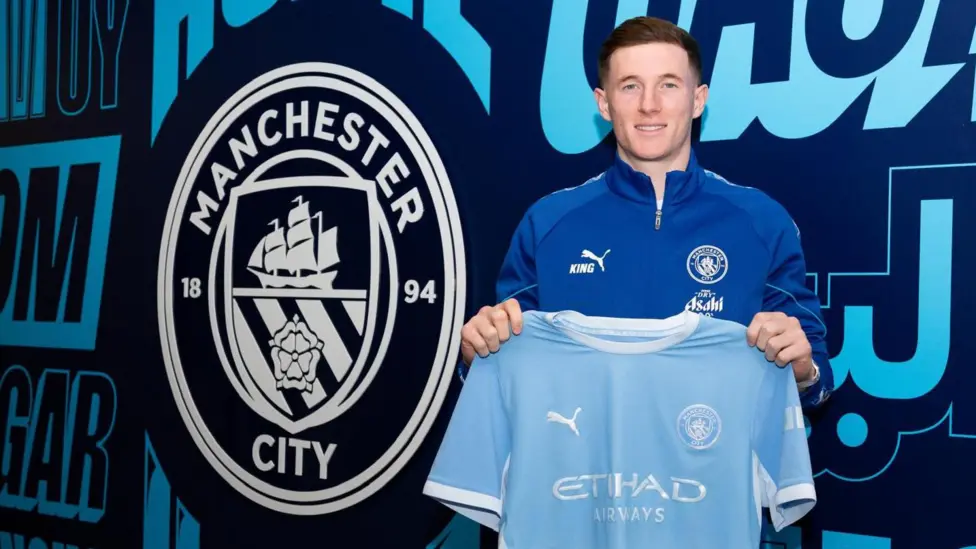
English top flight clubs had already pushed well beyond the £3bn barrier when Iliman Ndiaye's move from Everton to Manchester City on deadline day for an initial £60m took the amount spent past the previous mark of £3.14bn from 12 months ago.
The amount dwarfs the £1.13bn spent by clubs just five years ago and underlines the power top English clubs have to attract talent, according to figures provided to BBC Sport by Paul Macdonald, founder of FootballTransfers.com.
English clubs splashing the cash
Four of the 11 most expensive signings in the history of football have happened this summer – with three of them being Premier League signings.
Chelsea's £117m signing of Morgan Rogers from Aston Villa and Manchester City's £116m spend on Nottingham Forest midfielder Elliot Anderson are the two most expensive British players ever.
And Liverpool paid an initial £106m, which could rise to £123m, for Paris St-Germain and France forward Bradley Barcola.
Yan Diomande's move to Real Madrid and Anthony Gordon's switch from Newcastle to Barcelona are the only deals completed so far this summer by clubs outside the Premier League to involve fees in excess of £60m.
Tottenham's acquisition of Sandro Tonali was a club-record fee which could reach £100m, while the north London club have also spent heavily on Mateus Fernandes (£85m) from West Ham and Savio from Manchester City (£75m potentially rising to £85m).
Other transfers around this range include the £85.6m deal that City struck to bring in Ayyoub Bouaddi from Lille, Bruno Guimaraes' arrival at Arsenal for £75m from Newcastle, and Manchester United landing Cameroon midfielder Carlos Baleba from Brighton for £70m.
So maybe it is not surprising then that in the compilation of the 20 most expensive transfers completed that only six were not to clubs in the English top flight.
Indeed, newly-promoted Ipswich Town have spent more on new signings than the likes of Barcelona, AC Milan, Juventus and reigning European champions PSG.
Premier League keeping its deals in house
This summer, 38% of deals involving a transfer fee have been from one Premier League club to another, which is an increase from last year, when the figure was 30%.
That then increases to 48% in instances where Premier League clubs have bought players from lower down the English football pyramid.
On top of that, the Premier League net spend remains over £1bn for this window - by far the most in Europe - despite many of the biggest sales this summer coming from the English league too. Bundesliga and Ligue 1 clubs have received more in transfer fees than they have spent.
Aside from French-based duo Barcola and Bouaddi, the majority of major signings made by Premier League clubs this month have been from rival clubs in the same division.
They include England team-mates Rogers and Anderson, while Newcastle sold Tonali to Spurs and Guimaraes to Arsenal.
Manchester United snapped up Baleba from Brighton after a 12-month chase to aid their midfield revamp, while Tottenham's recruitment of Fernandes and Savio is in the same category.
But why are English clubs buying each other's players more than ever this summer instead of shopping abroad for the biggest deals?
One reason could be the temptation for players who are proven in the Premier League.
Many of last season's big-money signings - with a good chunk of them coming from the Bundesliga - failed to meet expectations or justify their transfer fee.
There have also been deals this summer involving the same clubs, possibly with accounting in mind, with Chelsea and Villa selling players to each other.
And there is also a feeling that teams abroad increase the transfer fees they are asking for when English teams - with all their TV riches - show interest in their players.
Related topics
- Published39 minutes ago
- Published22 July

- Published23 July
- Published1 day ago