Why the heat makes some medication less effectivepublished at 16:31 BST
Beth Rose
Disability affairs reporter
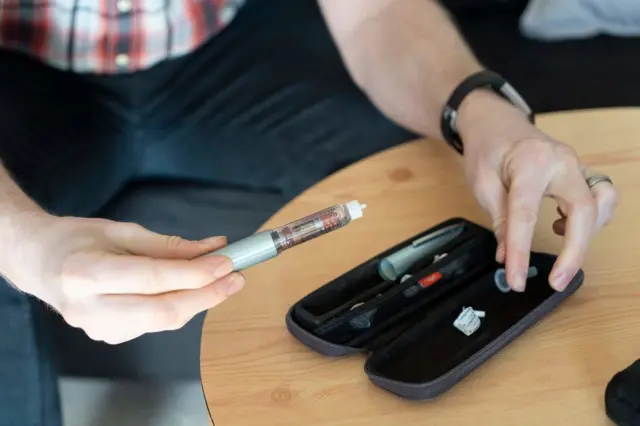 Image source, Getty Images
Insulin, which is used by diabetics, is one of the medications that can become less effective due to heat
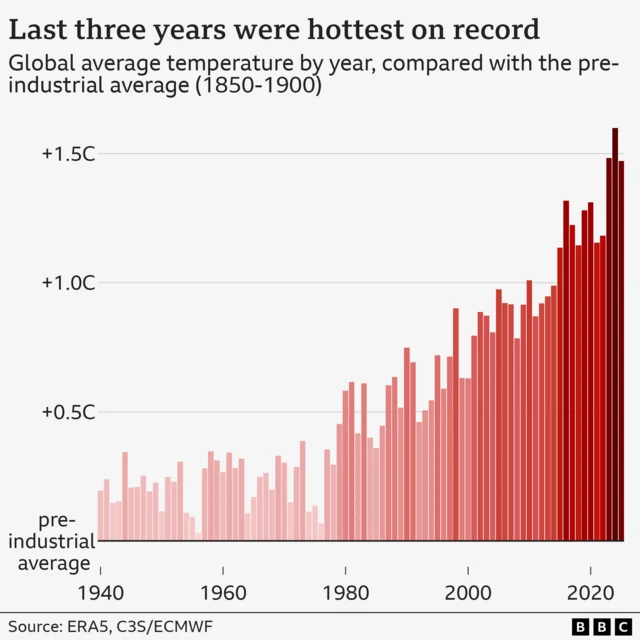
As temperatures rise, the effectiveness of medications can change.
The Medicines and Healthcare products Regulatory Agency (MHRA) says heat damage can break down active ingredients in medicine.
That can stop or alter how much the body absorbs when it comes to tablets, inhalers, hormone patches, insulin, blood glucose monitors and EpiPens.
Dr Alison Cave, MHRA’s chief safety officer, says some medicines can also make you more likely to "burn in the sun, feel dizzy, or get dehydrated", especially if you’re taking diuretics or have a condition like asthma, heart disease or diabetes.
She says most medicines need to be stored at temperatures below 25C - but cars, trains and even bags and pockets could get warm enough to cause problems and keeping them in a cool bag could be useful.
She adds: "If your medicine has changed colour, developed an unusual smell, changed texture, or looks different in any way, this could signal heat damage. Ask your pharmacist for advice."