Quick version
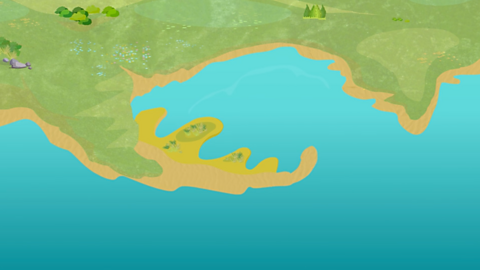
The Dorset Coast is part of the Jurassic Coast natural World Heritage Site on the south coast of England.
This stretch of coastline has areas of hard and soft rock, and has examples of both erosional and depositional features.
Land uses which are important on the Dorset coast are:
- farming: arable and pastoral farming, fish farming
- industry: oil, quarrying, shipping, services
- recreation and tourism: resorts, beaches, sports
- renewable energy: wind and solar farms
- military bases: training, shared public access
Learn in more depth
The Dorset Coast is on the south coast of England.
It has a temperate climate, with warm summers and mild winters. It has higher temperatures and more sunshine than most of the UK.
Generally, the Dorset Coast is drier than Cornwall and Devon to the west, but has more rainfall than Hampshire, Sussex and Kent to the east.
As of 2022, the resident population of Dorset was 785,172 (Office for National Statistics).
Climate, geology, relief and proximity to large populations in the south east of England contribute to Dorset's varied land use.
Farming on the Dorset Coast
A warm, sunny climate with fertile clay soils on the flat land behind the coast provides opportunities for:
- Use of land to grow crops.
- Using land to produce livestock. Examples include dairy farming, raising beef cattle, and raising sheep for wool.
Poole Harbour
At Poole Harbour, there are opportunities for:
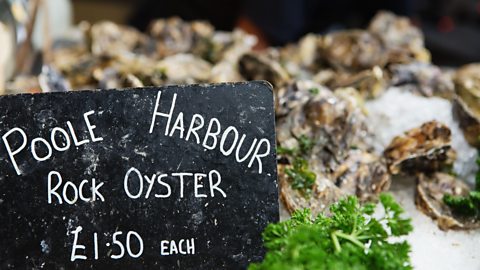
- oyster farming
- mussel farming
- fishing
Industry on the Dorset Coast
There are different types of industries located along the Dorset Coast:
- oil – Britain’s sixth-largest oil field is located at Poole Harbour.
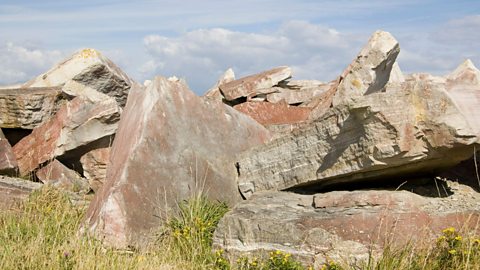
- quarrying – high quality limestone is quarried on the Isle of Portland.
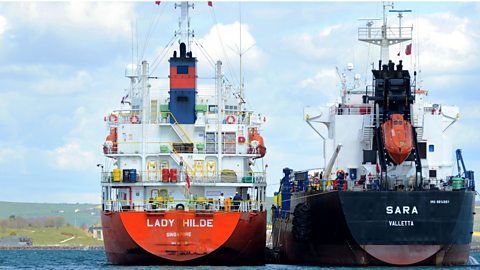
- shipping – sheltered harbours, like Portland Harbour, provide direct access to the English Channel – a major shipping route for imports and exports to and from Europe.
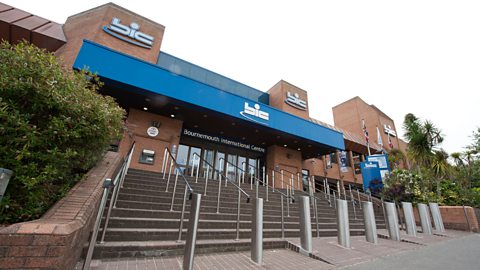
- services – the Bournemouth International Centre supports a variety of events and helps to provide year-round jobs.
- Image source, Mike McEnnerney/Alamy
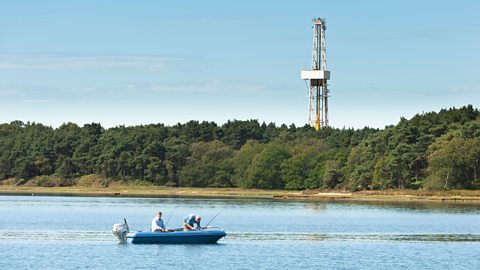
Image caption, Oil
Britain’s sixth-largest oil field is located at Poole Harbour.
1 of 4
Recreation and tourism on the Dorset coast
- resorts, like Bournemouth and Swanage provide tourist services including: hotels, souvenir shops, restaurants.
- beaches such as Sandbanks and Chesil Beach enable sunbathing and beach sports to take place.
- water sports include swimming, water skiing, windsurfing and yachting take place around Swanage, and Poole Harbour.
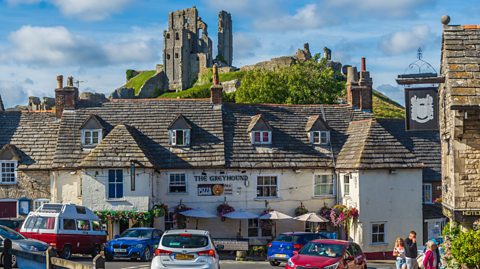
- historic attractions bring visitors to the area. These include Corfe Castle, Thomas Hardy's cottage and a number of historic ruins.
- fossil hunting, and the unusual geology of the area enable educational groups to study a variety of rock types.
- coastal footpaths, eg the South West Coast Path allow walkers to enjoy the stunning and varied scenery. More about the South West Coast Path here.
- landscape features such as Lulworth Cove, Durdle Door, Old Harry Rocks and Tilly Whim Caves provide scenic views and opportunities for photography.
- diverse wildlife can be found in the varied habitats that are formed here, such as sand dunes, lagoons, salt flats and calm bays.
- bird watching opportunities at Durlston Head in Durlston Country Park and National Nature Reserve, where over 270 species have been recorded.
- nature reserves like Brownsea Island are home to red squirrels, wildfowl and other wildlife.
- Image source, Thomas Faull/Getty images
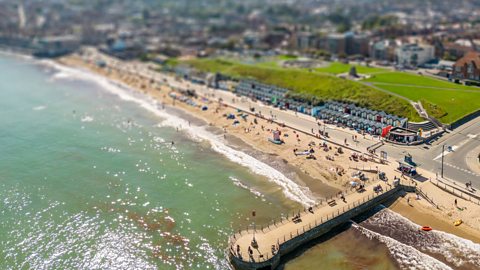
Image caption, Resorts like Swanage are very popular with tourists
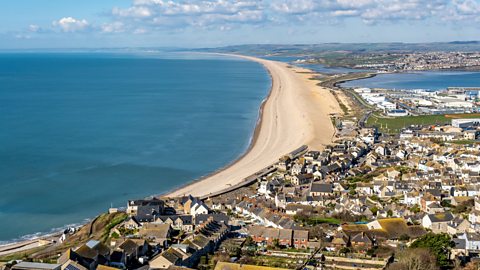
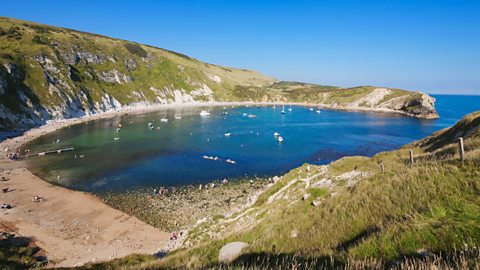
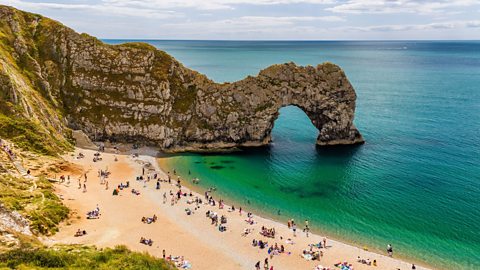
1 of 4
Renewable energy on the Dorset coast
There is the potential to generate electricity through wind and wave power in this area.
There are currently onshore wind farms such as the Alaska Wind Farm pictured below.
As of 2025, offshore projects have only been proposed, like the PortWind Offshore Wind Farm. It's still at a stage of technical studies and surveys and requires a deal with the Crown Estate, which owns most of the British seabed.
Dorset also has a number of solar farms, including Chapel Lane solar farm, which was the largest in the UK when it opened in 2014. It can meet the electricity needs of 60,000 homes when there are clear conditions in summer.
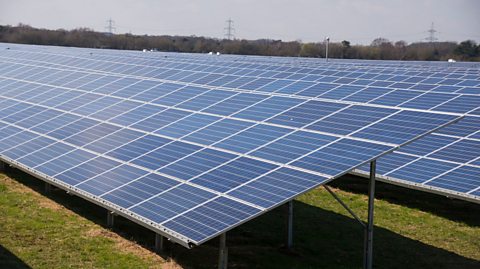 Image source, LourdesPhotography/Getty Images
Military training on the Dorset coast
The Dorset Coast has multiple military bases that serve different uses, a few examples are:
- Bovington Camp, which houses a tank museum.
- Lulworth Camp, uses the Lulworth Ranges for live firing.
- Blandford Camp
Large areas of the Blandford Camp are Sites of Special Scientific Interest (SSSI) and there are a number of prehistoric sites within the camp boundaries.
Some of these training areas contain public rights of way across them but access is only permitted during non-firing periods.
- Image source, Ands456/Getty Images
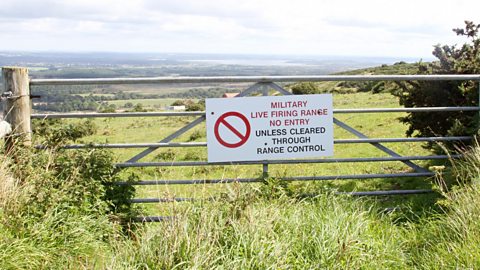
Image caption, Access is restricted for public safety but kept open at weekends and other times when there will be more visitors. Information on firing times are published online to allow people to plan their visit and avoid disappointment.

1 of 2
Quiz
Recap
The Dorset Coast is part of the Jurassic Coast natural World Heritage Site on the south coast of England.
This stretch of coastline has areas of hard and soft rock, and has examples of both erosional and depositional features.
Farming - a warm, sunny climate with fertile clay soils on the flat land behind the coast provides opportunities for:
- arable farming-uses land to grow crops
- pastoral farming-uses land to produce livestock
Poole Harbour has opportunities for:
- oyster farming
- mussel farming
- fishing
Industry types located along the Dorset coast:
- oil field - Poole Harbour
- quarrying - Isle of Portland
- shipping - Portland Harbour
- service - Bournemouth International Centre
Recreation and tourism
- holiday resorts - Swanage
- beaches and water sports - Chesil Beach
- historic attractions - Corfe Castle
- coastal paths and wildlife watching - South West Coast Path
Renewable energy
- wind turbines onshore - Alaska wind farm
- solar farms - Chapel Lane solar farm
- potential for offshore wind and wave energy
Military sites
- training - Lulworth Camp
- Sites of Special Scientific Interest (SSSI) - Blandford Camp
- shared land use with public rights of way
More on Coastal landscapes
Find out more by working through a topic
- count1 of 4
- count2 of 4