|
 |
 | | | | | | |||||||||||||||||||||||||||||||||||||||||||||||||||||||||||||||||||||||||||||||||||||||||||||||||||||||||||||||||||||||||||||||||||||||||||||||||||||||||||||||||||||||||||||||||||||||||||||||||||||
| | | You are in: Science/Nature: Specials: Total Eclipse | |||||||||||||||||||||||||||||||||||||||||||||||||||||||||||||||||||||||||||||||||||||||||||||||||||||||||||||||||||||||||||||||||||||||||||||||||||||||||||||||||||||||||||||||||||||||||||||||||||||||
|
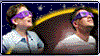
| |  Tuesday, 24 August, 1999, 11:53 GMT 12:53 UK Tuesday, 24 August, 1999, 11:53 GMT 12:53 UK Eclipse eye damage reports rise Viewers like these reduced the risk of eye damage Patients with eye damage caused by the eclipse will continue to arrive at UK hospitals well into the weekend, say experts.
Moorfields Eye Hospital, one of the UK's top centres, has already answered 400 calls on its helpline, and helped 40 people in the accident and emergency department. And Birmingham City Hospital has had more than 200 calls, and 30 arrivals at casualty. A spokesman for Moorfields said that the symptoms of eye damage often took up to 48 hours to appear, and predicted a steady stream of casualties. Ophthalmologists throughout the UK are contributing to a massive research programme gathering information about eclipse-related eye problems. The Royal College of Ophthalmologists is coordinating the effort. Even though thick cloud covering much of the area of totality offered some protection to eclipse-viewers, an NHS helpline reported increased calls.
"There have been a lot of calls from people who have viewed the eclipse and need reassurance," she said. Permanent eye damage Elsewhere, an eye casualty unit at Queen's Medical Centre in Nottingham reported a sudden increase in the number of calls following the eclipse. At Queen's Medical Centre, clinical nurse specialist Ian Smith said: "Almost straightaway after the eclipse we started getting calls from people who were worried about having looked at the Sun. "Some of those people have been advised to attend, but it is a little early to tell the full extent of how many people will be affected." Despite widespread warnings about the dangers of looking directly at the sun, even when it is partially obscured, it was feared that many people could suffer permanent eye damage. Radiation from the Sun can burn the back of the eye, producing a condition known as solar retinopathy which leads to blurred vision. But it is unlikely that anyone would be completely blinded. Consultant Ophthalmologist Lucy Butler, from Birmingham City Hospital said the symptoms people should look out for were a black spot in the field of vision, along with blurring. Many hospitals were reporting small numbers of patients either calling for advice or arriving at accident and emergency within a few hours of the eclipse. However, on Friday morning, eye surgeon Stephen Charles said that while 70 people had contacted the Royal Manchester Eye Hospital, most could be reassured and sent away. But he said: "It's definitely not hype. In 1984 we had a partial eclipse and 11 people in the Greater Manchester area alone suffered permanent eye damage. It's potentially a major health issue." Crucial 48 hours The true toll of the eclipse on the nation's sight will not be known for some time. The Royal College of Ophthalmologists' project should yield valuable evidence about how long people can look at the sun without suffering permanent damage. Barny Foot, who is helping coordinate the project, said: "It's something that has captured the imagination of ophthalmologists, even though the information won't be of any practical benefit for at least 70 years. "But it's an opportunity not to be missed." The UK Government's chief medical officer Professor Liam Donaldson had advised people not to look directly at the Sun at anytime, even during totality, when many people say it can be viewed safely. Professor Donaldson said the eclipse would be best viewed on television. | |
See also:  29 Jul 99 | Science/Nature Top Total Eclipse stories now: Links to more Total Eclipse stories are at the foot of the page. | |||||||||||||||||||||||||||||||||||||||||||||||||||||||||||||||||||||||||||||||||||||||||||||||||||||||||||||||||||||||||||||||||||||||||||||||||||||||||||||||||||||||||||||||||||||||||||||||||||||
| |
|  E-mail this story to a friend E-mail this story to a friend |
| |
| Links to more Total Eclipse stories |
| | | ||
 | ||||
 | | Back to top
| ||
| ---------------------------------------------------------------------------------- To BBC Sport>> | To BBC Weather>> | To BBC World Service>> ---------------------------------------------------------------------------------- © MMIII | News Sources | Privacy  |