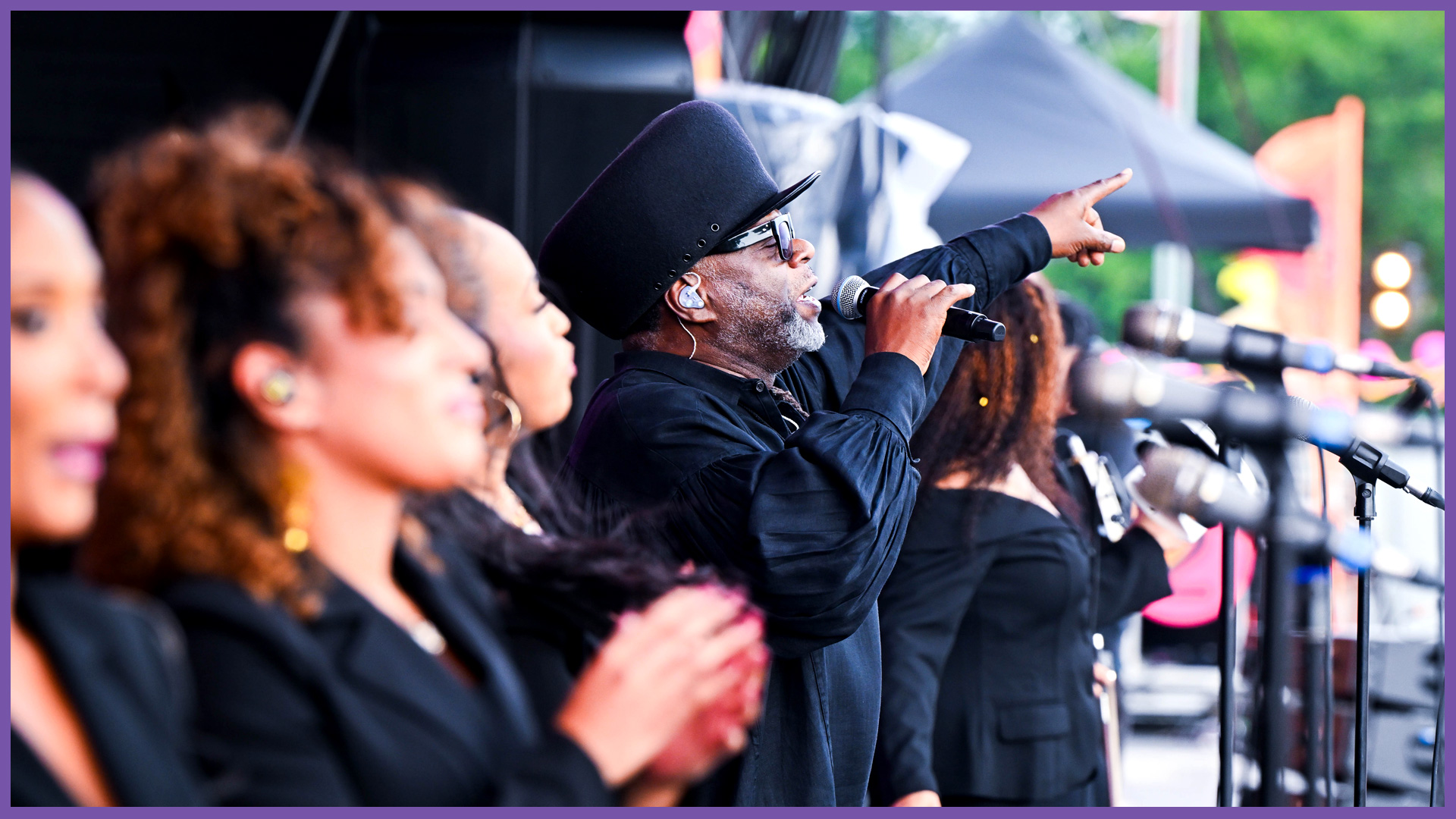
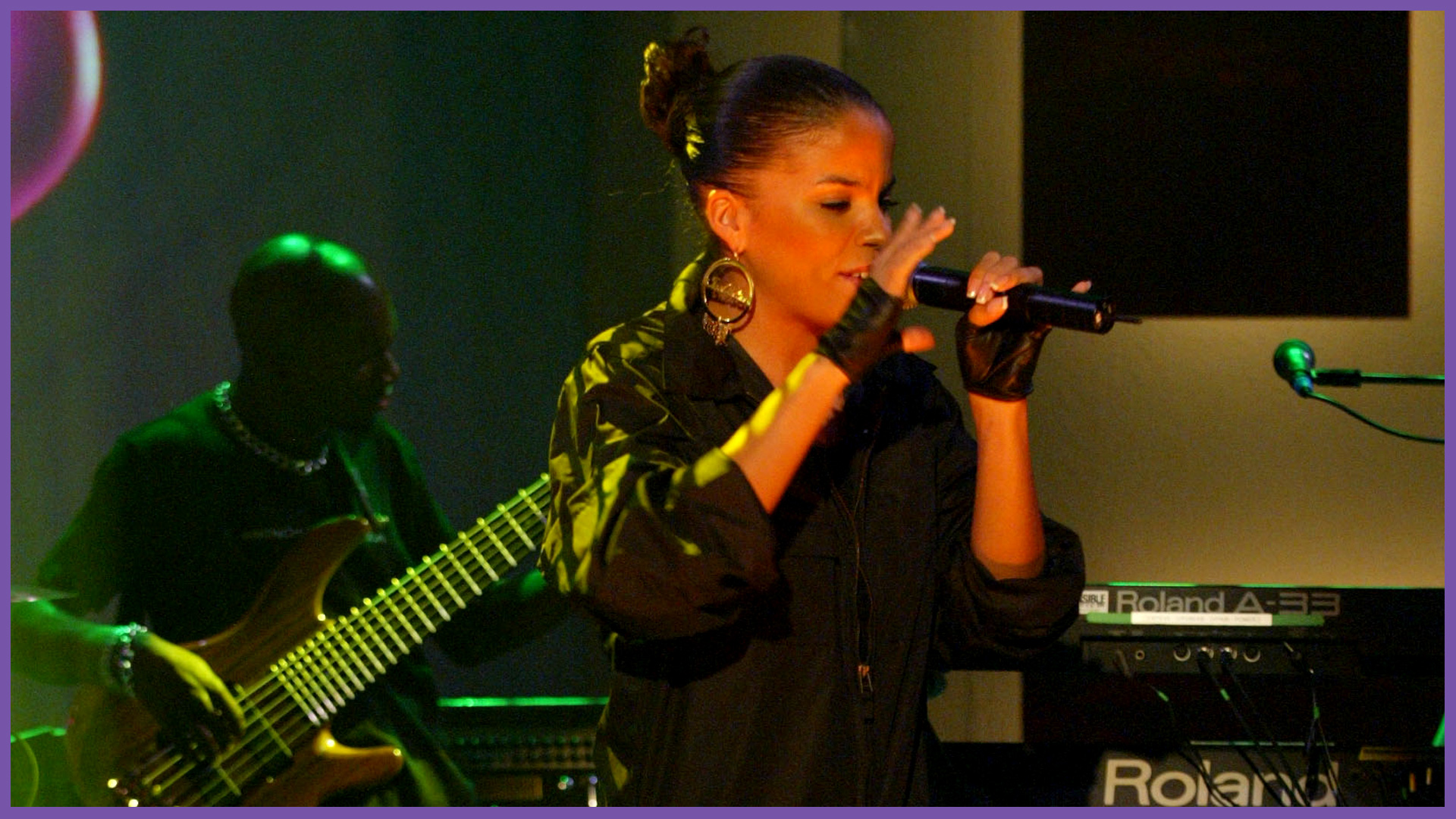
Aim
To celebrate the work of black British music makers, spanning the period of 1900 to the present day. To explore how black British music moves alongside and within British history.
This video was produced in collaboration with V&A East Museum.
The video
EXPERTS: Heritage. Political. Identity. Inventive. Resistance. Celebration.
KEVIN LE GENDRE: Black British music is basically the music that’s been created by communities of African and Caribbean heritage and then their children as well, the subsequent generations, once they put down roots in Britain.
KAYLEE GOLDING: This is a journey through time, through sound, and through the lives of artists who changed Britain forever. We are picking up the story at the start of the last century with Britain’s first major classical composer of African descent. Samuel Coleridge-Taylor was born in 1875 to a British mother and a father from Sierra Leone in West Africa.
KEVIN: He really embraces European classical music but also starts to integrate the melodies and rhythms celebrating his African heritage.
PROF MYKAELL RILEY: He’d be no different to Stormzy today, translating his experience of being a black individual, commenting on the diaspora within the context of his music genre.
KAYLEE: By the 1920s and 30s, the Western world was dancing to it and Britain wanted in. American musicians began touring here, playing music halls and clubs, bringing with them a sound that was fresh, exciting and rebellious.
The Second World War ended in 1945. Britain called on countries of the British Empire to help rebuild the nation. And in June 1948 the Empire Windrush arrived at London’s Tilbury Docks.
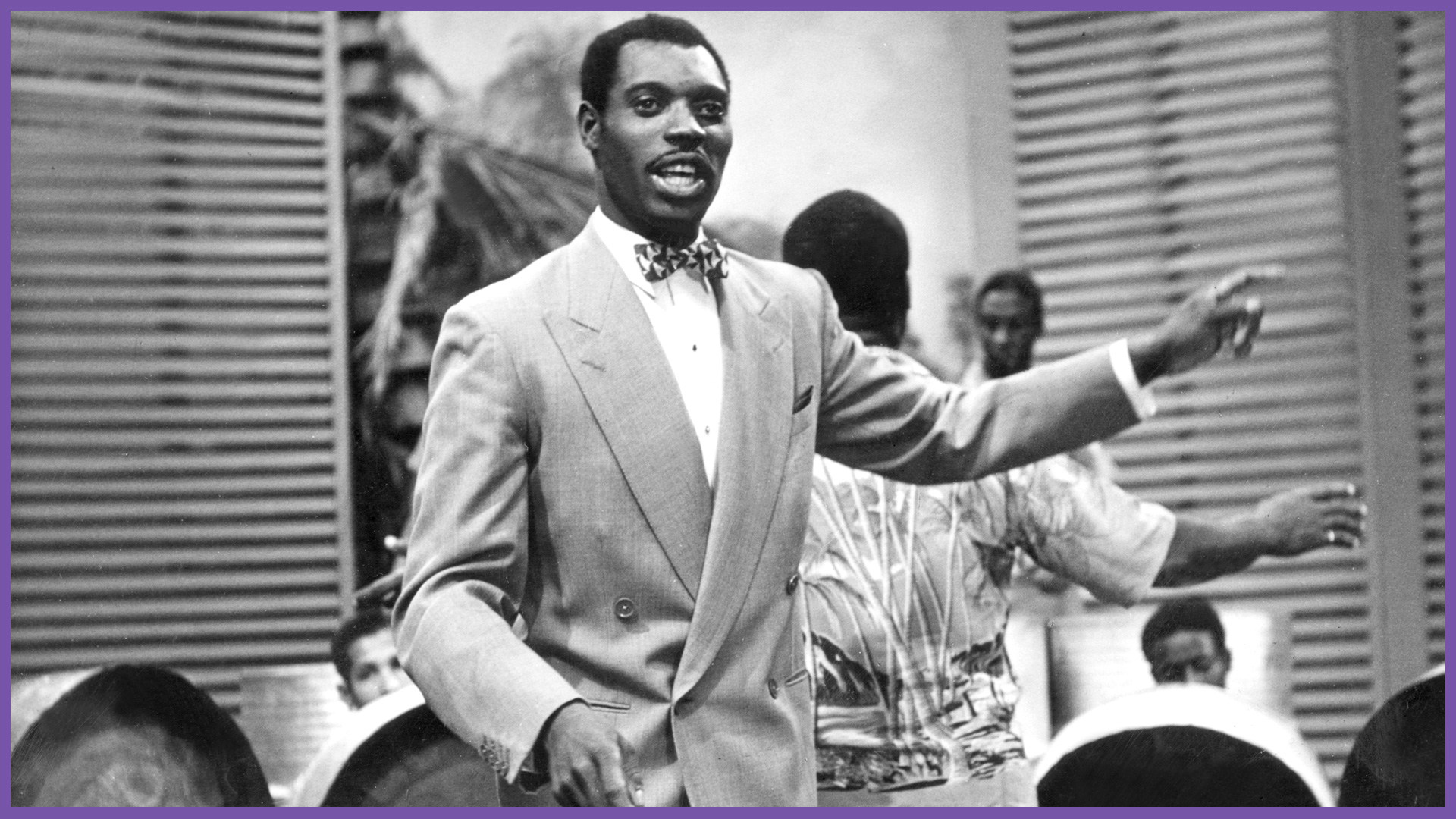
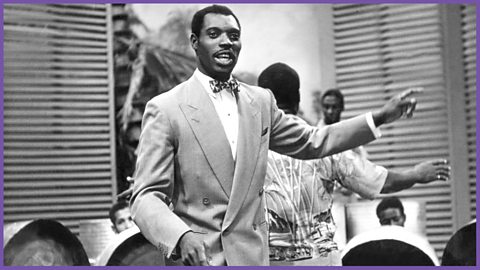
KEVIN: There are musicians who arrive on the Windrush. Very famously, Lord Kitchener, the great calypso singer from Trinidad…
[ARCHIVE: LORD KITCHENER SINGING “LONDON IS THE PLACE FOR ME”]
LINETT KAMALA: People came and they brought along their culture, their music. And there was excitement.
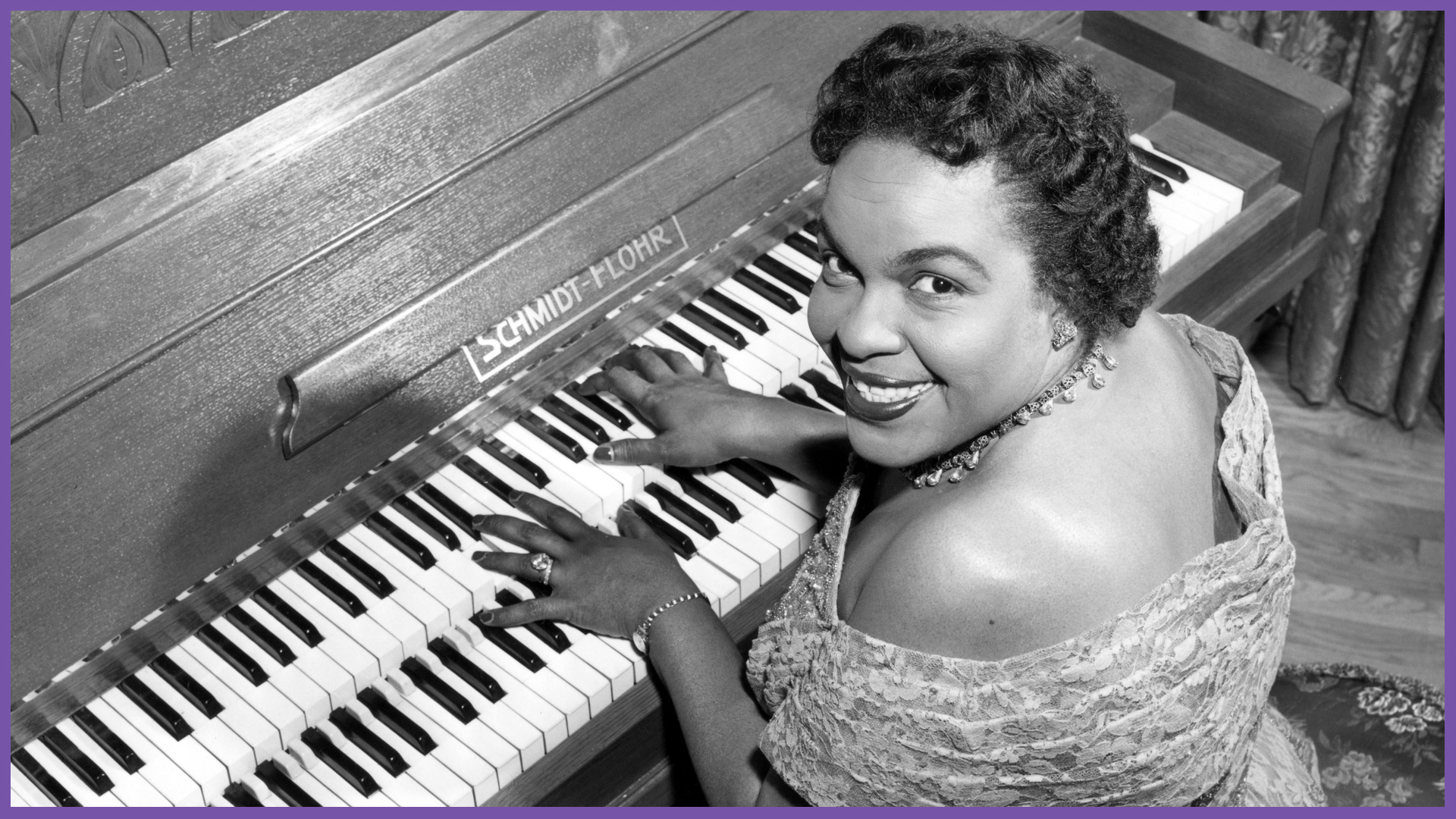
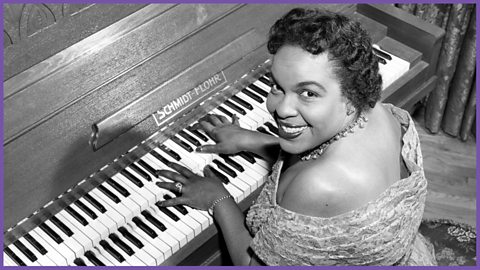
KAYLEE: The singles chart, now the UK top 40, started in 1952. And two years later Trinidadian pianist, Winifred Atwell, was the first black artist to go to Number 1.
[AUDIO ARCHIVE: WINIFRED ATWELL PLAYING PIANO]
KAYLEE: The 'Windrush Generation', who’d arrived in 1948 and beyond, brought music from the Caribbean. Calypso and early Reggae.
MYKAELL: They found that the systems, stereo systems here, were not up to scratch and set about building their own amps and speaker systems.
KAYLEE: That early sound system culture would have a vital influence on the music that would follow in years to come. And a truly Black British music genre, originated in the UK, was born in the 1970s. “Lovers Rock”. The classic Janet Kay track, “Silly Games”, became an anthem and went to Number 2 in the charts in 1979.
[ARCHIVE: JANET KAY SINGING “SILLY GAMES”]
LINETT: We were very excited to see black British performers on TV. For many of us, it was for the first time seeing that.
KAYLEE: Throughout the 80s black British artists regularly featured in the Top 40.
MYKAELL: Musicians start to transition from Reggae into R&B and Soul.
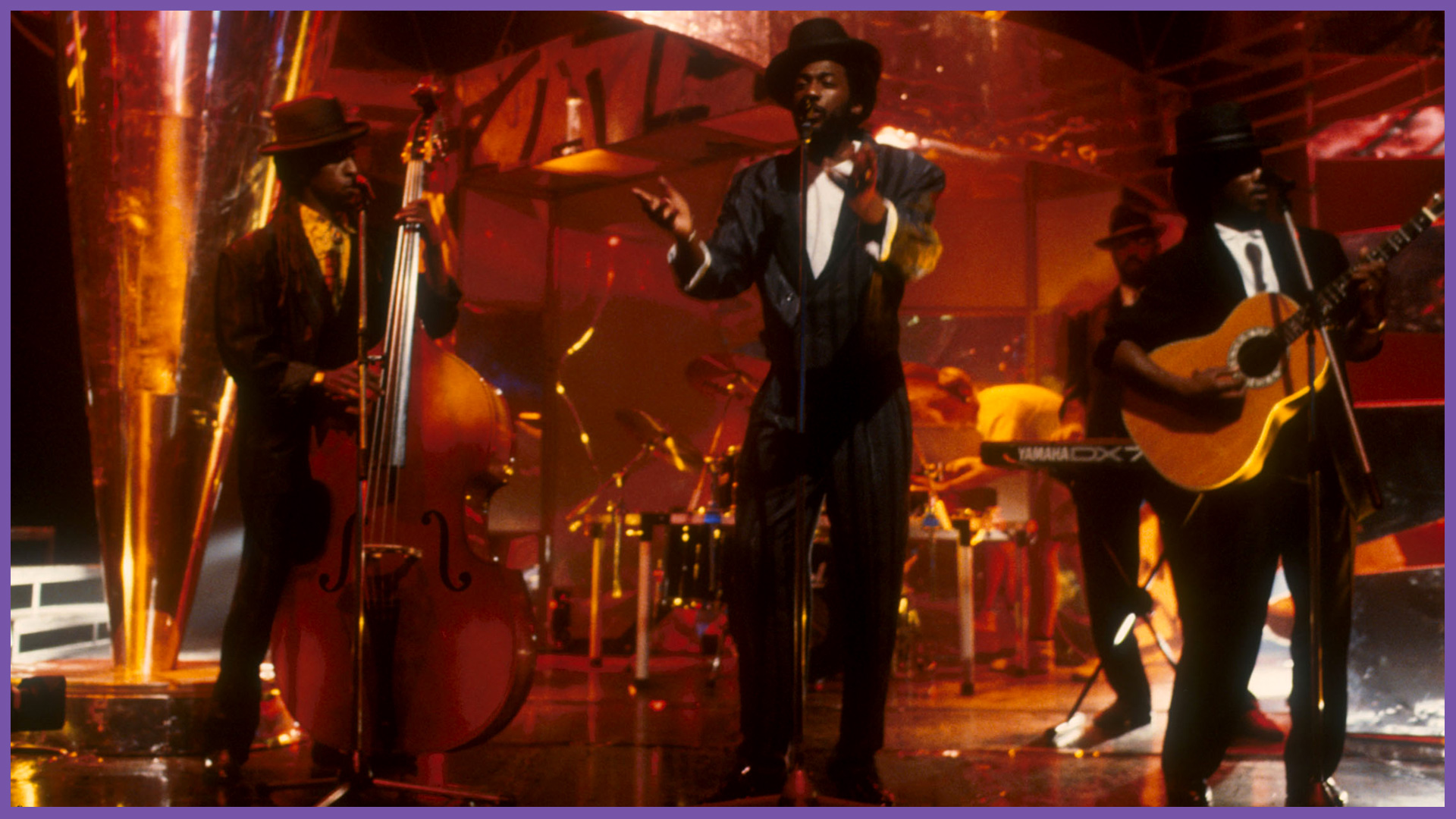
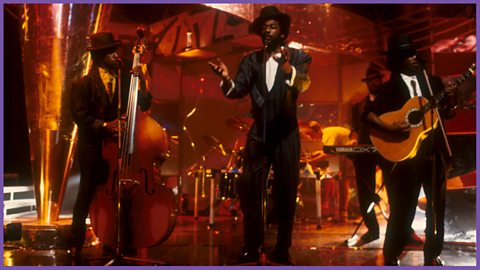
KAYLEE: And, at the end of the decade, came Soul II Soul…
[ARCHIVE: SOUL II SOUL PERFORMING]
MYKAELL: Jumping from, say, Soul II Soul to the early 90s, we have technology that says ”you can now sample the past”.
LINETT KAMALA: So they would play the music at almost twice the tempo. And then this music became known as Jungle music.
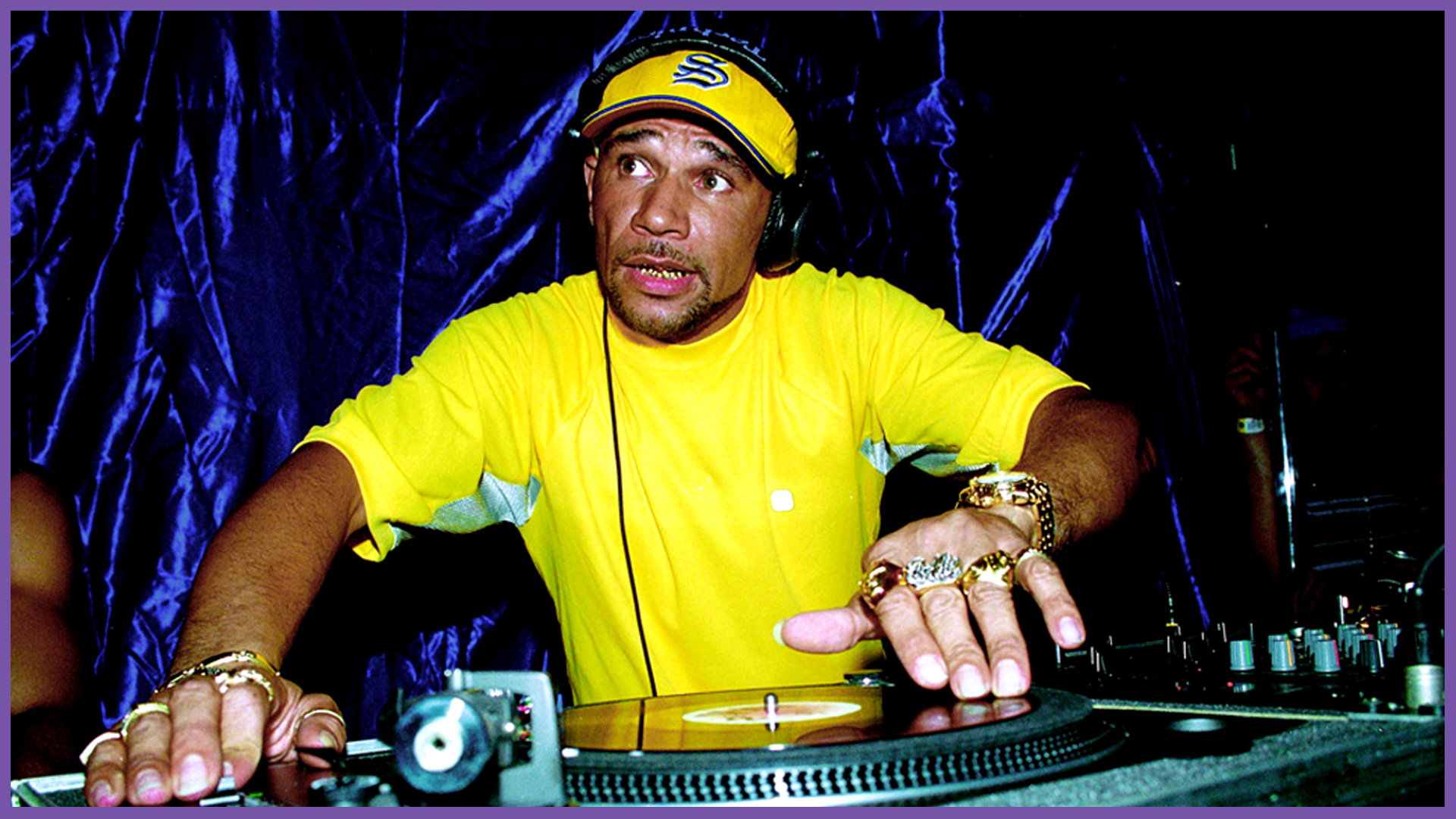
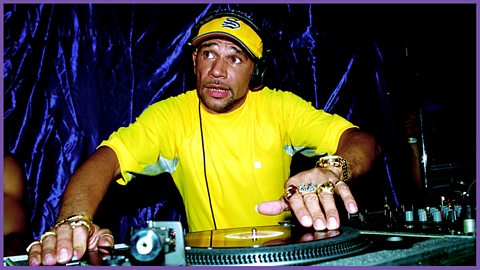
DR MONIQUE CHARLES: One of the pioneers of that scene is an artist known as Goldie.
[ARCHIVE AUDIO: GOLDIE - ‘INNER CITY LIFE’]
KAYLEE: By the late 1990s, UK Garage emerged as a new sound and a new scene.
LINETT: I think UK Garage was like a really upbeat, fun scene. Very playful lyrics.
KAYLEE: In the early 2000s it was So Solid Crew that transitioned from UK Garage and laid the foundations for Grime.
MYKAELL: What’s important about So Solid…it set a benchmark that says: “Be who you want to be, say what want to say.”
LINETT: Technology had become more accessible. It was a lot cheaper, so people could literally create music in their own bedrooms.
KAYLEE: By the 2010s, Grime artists were creating a huge fanbase.
MONIQUE: It got to the point where they got so big, it was undeniable, and even the record industry wanted to have a piece of the pie.
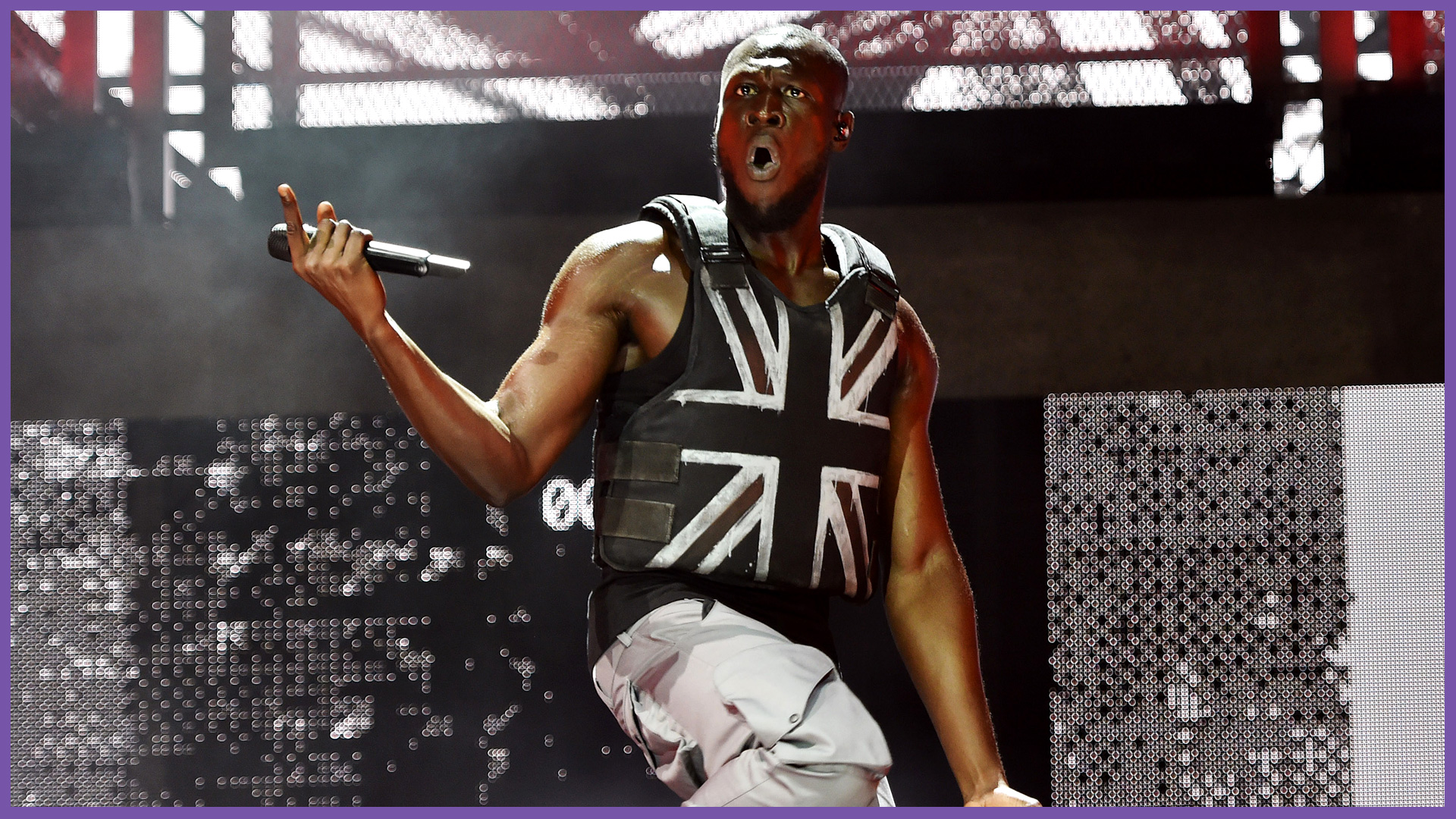
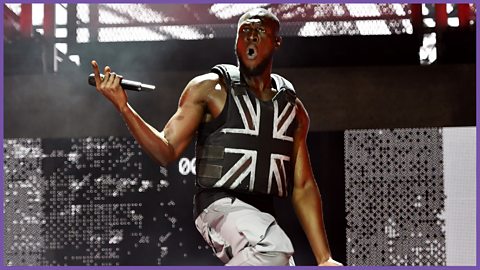
KAYLEE: The Glastonbury Festival is the biggest live pop music event in the UK. Black British artists had made appearances before but had never been the star of the show…until Stormzy appeared as the headline act in 2019.
LINETT: I’d never seen anything like that. For the first time, I think people felt it was much more representational. That moment was a very…iconic, I would say. Important moment.
KAYLEE: We’ve followed the journey of black music in Britain for more than 100 years. But, what lies ahead?
KEVIN LE GENDRE: I think the artists will go telling new stories as they see fit, according to their experience and the experience of the people around them.
LINETT: That’s what I’d say about black music - it’s authentic, it’s the real deal!
Context
This resource celebrates the work of black British music makers, spanning the period of 1900 to the present day. Along the way we explore how black British music moves alongside and within British history.
This video begins with an exploration of the racial and cultural roots of the composer Samuel Coleridge-Taylor (1875-1912). Coleridge-Taylor was born in London to an English mother and a father from Sierra Leone. He studied at the Royal College of Music from the age of 15 and became a professional musician.
Today he is little-known and often overlooked. But, in his own time at around the turn of the nineteenth century, he was one of the most popular composers in the country. His musical setting of Henry Wadsworth Longfellow's poem 'Hiawatha' was an annual sell-out at the Royal Albert Hall.
Jazz took off in Britain immediately after World War I with a tour by the Original Dixieland Jazz Band in 1919. Both Louis Armstrong and Duke Ellington subsequently played concerts in the UK.
World War Two ended in 1945, with victory won at huge cost. Additional labour was needed to help rebuild the nation and a new law - the British Nationality Act of 1948 - eased migration to the UK from colonial countries around the world.
The Empire Windrush arrived at Tilbury Docks in 1948. On board were a number of musicians from the Caribbean - notably the calypso singer Aldwyn Roberts (1922-2000), who used the stage name Lord Kitchener. He quickly became a regular performer on the BBC and remained an important figure for the expatriate Caribbean communities in the UK.
Another star of the era was pianist Winifred Atwell (c 1910-1983). Atwell was born in Trinidad and travelled to the UK in 1945, where she completed her studies at the Royal Academy of Music. Her 1954 hit 'Let's Have Another Party' made her the first black artist to reach No 1 in the UK singles chart. Atwell's famous piano was bought from a junk shop, but subsequently toured all over the world with her.
Music by black artists was becoming increasingly popular in the UK but many black people were subjected to racism in their everyday lives: accommodation could be hard to find - with landlords often discriminating against people of colour - and bars and restaurants frequently barred entry. The discrimination fostered the rise of 'Blues parties' - private house parties - a central feature of which would be homemade sound systems. With the establishment of the Notting Hill Carnival in the mid-1960s, sound system culture moved outdoors and hit the streets.
Many of the most popular black artists in Britain at the time - for example, Bob Marley - were not actually from Britain. But a new generation of black British musicians began to explore what it meant to be both 'black' and 'British' and in the 1970s a new genre - Lovers Rock - originated entirely in the UK. In 1979 Janet Kay's single 'Silly Games' reached Number 2 in the charts and became the first Lovers Rock tune on the BBC's flagship music programme Top of the Pops.
Throughout the 1980s home-grown British talent continued to have a huge impact - artists such as Imagination, Omar, Billy Ocean, Sade, Soul II Soul. Then, in the early 1990s, the development and availability of new technologies led to new techniques - such as sampling - and a new genre, Jungle, was born…then UK Garage, Drum & Bass, Grime…
Goldie was an early pioneer of the new techniques, combining elements of Jungle with Drum & Bass in a sound that took music beyond the dance floor. The MOBO (Music Of Black Origin) Awards began in 1996 and Goldie was the very first winner of the 'Best Album' category.
In the early 2000s So Solid Crew transitioned from UK Garage and laid the foundations for Grime - a gritty new urban sound featuring fast-paced rapping. 'Pirate' radio stations helped to spread the new sound. Later, the internet - combined with widely available, inexpensive software - made it possible for artists to literally 'DIY' their own music.
Grime is considered a genre which moved black British music from the margins to the mainstream - where it has stayed. In 2019 Stormzy headlined at Glastonbury Festival, the first black solo artist to headline the festival in its history. It was a performance celebrating a culture and creativity which is both black and British.
Before the video
Possible discussion points before the video
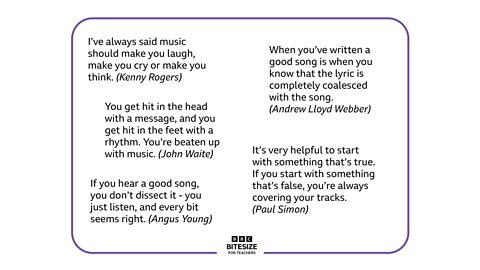
As students enter the assembly, you could display the poster of quotations about what makes a good song.
There is also a themed mixtape available via BBC Sounds which you could play as students enter the assembly. This fast paced one hour mixtape features over 200 artists and tracks, from the earliest performers through to those from the present day. Alternatively, this BBC Sounds playlist created in collaboration with V&A East Museum soundtracks The Music is Black exhibition, a landmark showcase celebrating 125 years of Black British music and its influence on the UK and beyond.
Then ask the cohort:
- How important is music to you?
- Why do we like some songs, but not others?
- Is it easy to put into words why we like a particular song?
- What in your opinion is the essence of a good song - a song that 'works'? Show the poster of quotations about good songwriting. What do students think of the various quotations? Do they agree with all of them?
- What do students understand the term 'black British music' to mean? (In the video music journalist Kevin Le Gendre defines black British music as 'basically the music that’s been created by communities of African and Caribbean heritage and then their children as well, the subsequent generations, once they put down roots in Britain'.)
- Can students name any music genres that they regard as 'black and British'?Explain that the video focuses on the contribution of black artists and musicians to British music, beginning at around the year 1900. It is voiced by Kaylee Golding of Radio 1Xtra and features interviews with four experts in black British music. The duration is 5' 46" and the final words are: '…It's the real deal!'
After the video
Possible discussion points after watching the video
- Can you name any artists whose lyrics you feel are particularly powerful? What do you like about them?
- Linett Kamala closes the video by saying 'It's authentic - it's the real deal!' What do students think she means by that.
- Why does music evolve? What drives changes in music? Why do new genres emerge?
- The video charts the journey of black British music from 'the margins to the mainstream'. Why do students think that journey has taken such a long time?
Resources
Transcript
Download/print a transcript of the video

Quotations about what makes a good song. document
Click to display the poster of quotations about good songwriting full-size
Lord Kitchener. image
Click to display the image full-size
Winifred Atwell. image
Click to display the image full-size
Aswad. image
Click to display the image full-size
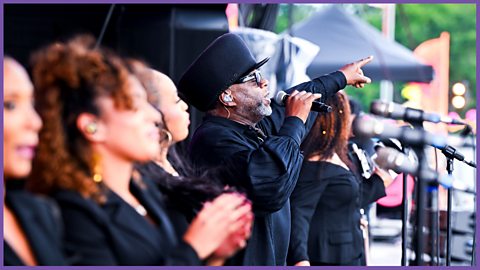
Soul II Soul
Click to display the image full-size
Goldie. image
Click to display the image full-size
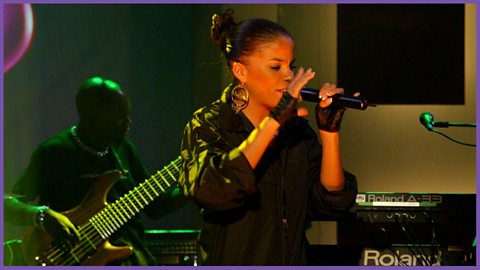
Ms Dynamite. image
Click to display the image full-size
Stormzy. image
Click to display the image full-size
Related links
- The Music is Black - Parts 1-3 - Three short videos for secondary schools exploring the history of black British music in more detail.
- The Music is Black - Content curated from across the BBC celebrating black British music.
- Popular Music Styles - A Bitesize guide for students on popular music styles, including Jazz, Reggae and Rap.
- West Indian Community during the 1960s, 70s and 80s - Bitesize for Teachers resources exploring the lives of London's West Indian community during the 1960s, 70s and 80s, produced alongside the BBC One Small Axe films directed by Oscar winner Steve McQueen.
- Samuel Coleridge-Taylor: 'Nonet in F minor' - Performed by the BBC National Orchestra of Wales.
- Errollyn Wallen: Mighty River - A Ten Pieces resource with a lesson plan, classroom video introducing the piece, and a performance by the BBC Concert Orchestra.
- Cassie Kinoshi - the colour of all things constant - A Ten Pieces resource with a lesson plan, a classroom video of Cassie Kinoshi describing her inspirations for the composition, and a performance of the piece by the BBC Philharmonic Orchestra.
- BBC Get Singing: Cat Burns - Resources for secondary schools including activity videos, scores, backing tracks and guidance notes – everything needed to explore Cat Burns’ song with young singers aged 11-14.
- V&A East - These videos have been produced in collaboration with V&A East Museum.
Secondary assemblies
Anti-Bullying Week – secondary assembly. collection
A secondary assembly framework and video to mark Anti-Bullying Week focusing on the power of words and the need to use them carefully.
Holocaust Memorial Day – secondary assembly. collection
An assembly framework and video to help mark Holocaust Memorial Day. In this video, Emma-Louise Amanshia meets John Hajdu MBE to hear about his experiences of surviving the holocaust.
1971 Women's World Cup: The Lost Lionesses – secondary assembly resources. collection
An assembly framework and video to celebrate a major sporting occasion and the achievements of the England women's football team who competed in the 1971 Women's World Cup in Mexico.
VE Day 80th anniversary – secondary assembly. collection
An assembly framework and video to commemorate 'VE Day' on 8 May and to consider what life was like in the UK in the years immediately after World War II.
Jane Austen at 250 - secondary assembly. collection
An assembly framework to mark the 250th anniversary of the birth of Jane Austen in 2025 and to celebrate her contribution to storytelling and consider celebrity.
D-Day – secondary assembly. collection
Two videos about the D-Day landings from both a British and German perspective to provide an understanding of the actions of the human beings involved on both sides.