Artemis II astronauts return to Earth afta 10 days historic trip around moon
Wia dis foto come from, NASA/EPA
Di Artemis II capsule and im four-member crew don return to earth afta dia round trip around di moon.
Dem land inside di Pacific Ocean on Friday afta almost 10 days in space, wey cap di first voyage by humans to wia di moon dey in over half a century.
NASA gumdrop-shaped Orion capsule, wey dem name Integrity, land into calm seas off di Southern California coast shortly afta 5:07 p.m. (0007 GMT on Saturday), concluding a mission wey carry di astronauts 252,756 miles away from Earth, deep into space pass as anybody don ever fly before.
Di Artemis II flight, travel a total of 694,392 miles (1,117,515 km) inside two Earth orbits and one climactic lunar flyby around 4,000 miles from di surface.
Dis na di crew debut flight as part of a series of Artemis missions wey aim to return astronauts to di lunar surface wey go start for 2028.
US President Donald Trump post on social media as e welcome di crew members home to Earth and invite dem come White House.
"Congratulations to di Great and Very Talented Crew of Artemis II. Di entire trip dey spectacular, di landing dey perfect and, as President of di United States, I dey proud! I look forward to see all of una for di White House soon. We go do am again and den, next step, Mars!"
Pictures show historic splashdown for Artemis II crew
Nasa release images of di Orion crew as dem return to Earth.
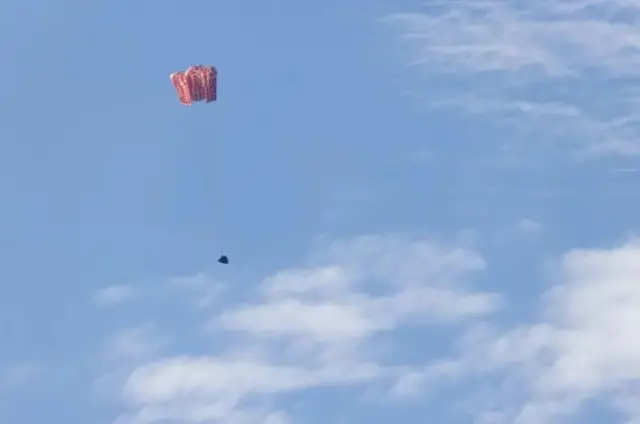
Di images show di series of events from di deployment of di module parachutes to how di astronauts waka for di flight deck of di USS John P Murtha for assessment for di medical bay.
Wia dis foto come from, NASA/Joel Kowsky
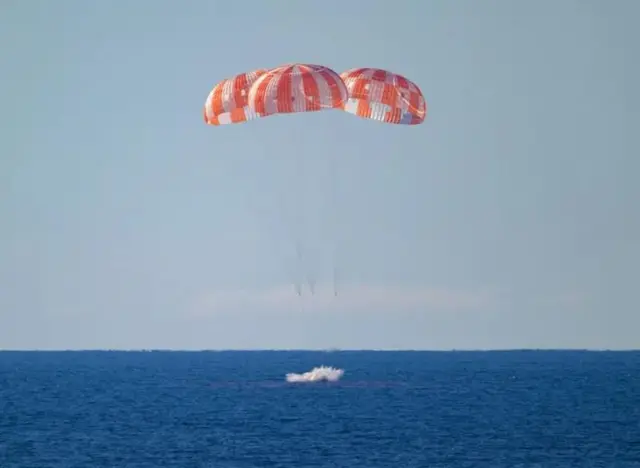
Wia dis foto come from, NASA/Bill Ingalls
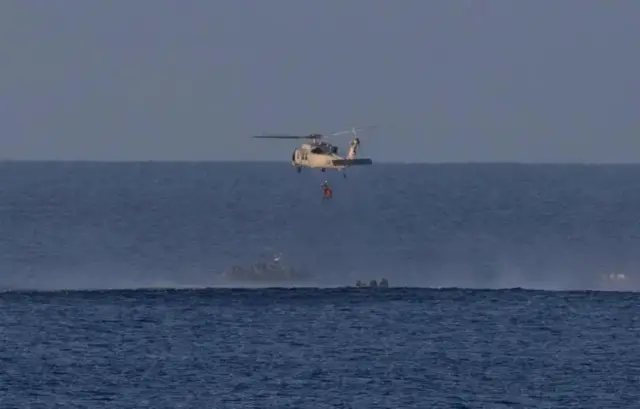
Wia dis foto come from, NASA/Joel Kowsky
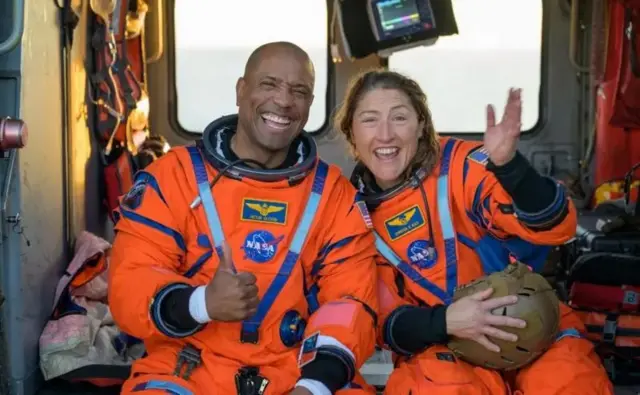
Wia dis foto come from, NASA/Bill Ingalls
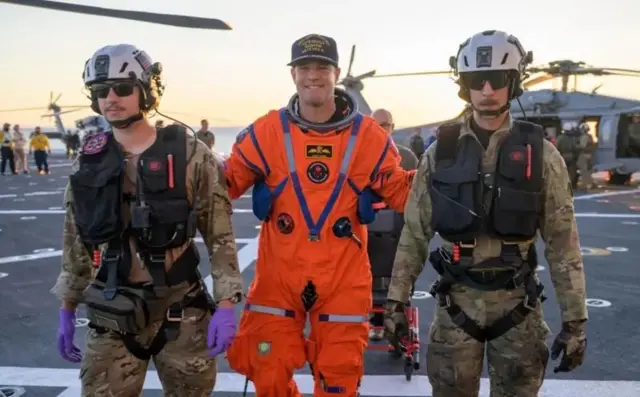
Wia dis foto come from, NASA/Bill Ingalls
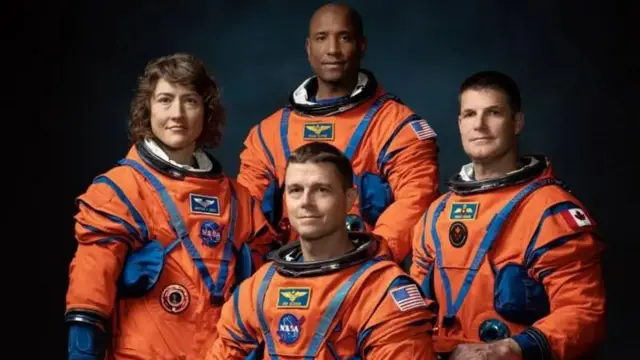
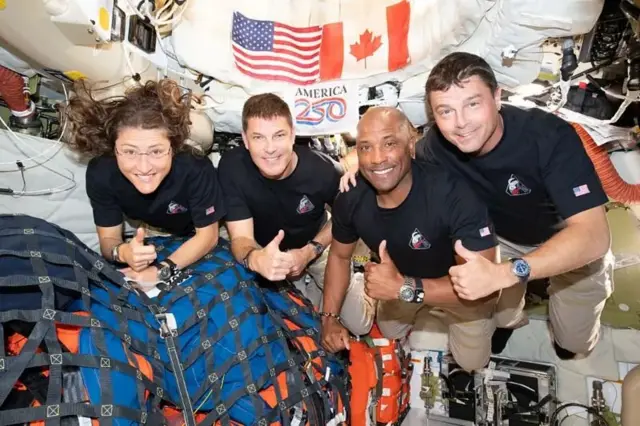
Artemis II astronauts crew
Wia dis foto come from, Getty
Reid Wiseman, di mission commander, na former US Navy pilot and test pilot. e become Nasa astronaut for 2009 and spend 165 days on di International Space Station (ISS) in 2014.
Di ship pilot, Victor Glover, live on di ISS from November 2020 to May 2021 and na also di pilot of SpaceX Crew-1. E holds three master's degrees and is now di first Black astronaut to fly on a Moon mission.
Mission specialist Christina Koch hold di record for di longest single spaceflight by woman (328 days on di International Space Station) afta she become astronaut in 2013. She now be first woman to travel around di Moon.
Di oda mission specialist na Jeremy Hansen, di first Canadian to go Moon. E bin don live underwater for seven days as part of im aquanaut work with Nasa.
$100bn and rising: Di cost of dis Moon mission
Four years ago, Nasa estimate say dem go spend $93bn (£69bn) on Artemis between 2012 and 2025 – wey high pass di previous estimates.
Even though di programme officially start for 2017, dem start to build di rocket much earlier.
But according to di most recent audit report costs don rise since den.
Although harvesting di resources of di Moon fit bring potential economic reward – dis one go still tey.
But Nasa argue say di programme as e be now bring enof benefits to di US economy. Di latest data from di organisation show say dem employ nearly 20,000 pipo wey generate $75.6bn of economic output.
Di second argument na say di US no fit afford to lose out to dia rivals.
For one 2024 hearing by di Committee on Science, Space and Technology to assess Nasa programmes, di Chair, republican representative Frank Lucas say:
"I remind my colleagues say we no be di only kontri wey get interest to send human beings go Moon. Di Chinese Communist Party […] don tok about dia ambition to get human astronauts on di surface by 2030.
"Di kontri wey first land go get di ability to start for whether future lunar activities go happun wit openness and transparency or in a more restricted manner."