Summary

  • Today is the UK's first national day for those impacted by terrorism, including survivors and their families, witnesses and the emergency services

  • There will be a ceremony, including readings from people affected by terror and a two-minute silence, in London this afternoon - you'll be able to watch live above

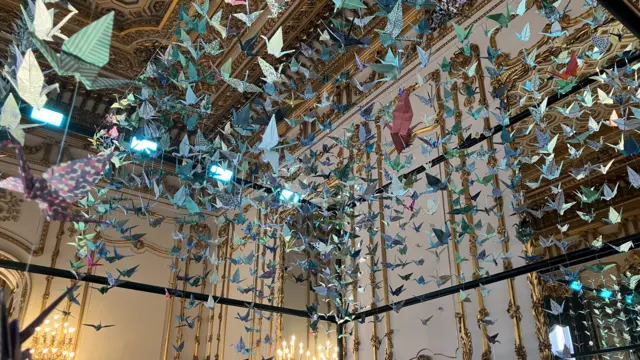
  • An art installation, made of 1,000 paper cranes, has been set up at the ceremony

  • A survivor of the Manchester Arena bombing tells the BBC "I thought life was over for me" and says he felt "forgotten about" when he left hospital

  • The mother of a man killed in the same attack says the event will "bring people together who often feel isolated"

  • If you're affected by any of the issues in this page then support and help is available at BBC Action Line

  1. Ceremony to be screened at site of UK’s deadliest terror attackpublished at 14:00 BST

    Mary McCool
    BBC Scotland

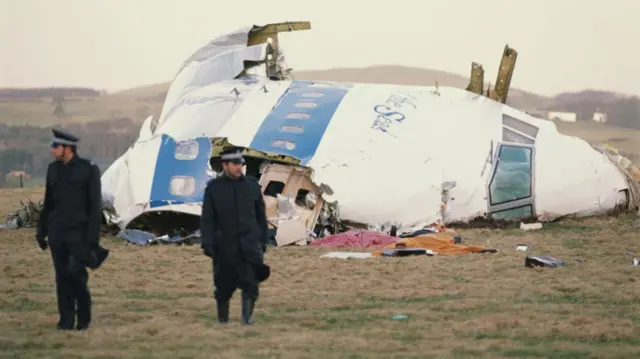
    Two policeman walk in front of wreckage of Pan Am Flight 103 after Lockerbie bombingImage source, Bryn Colton/Getty Images

    While taking place in London, today's ceremony will also be broadcast live at a church in Lockerbie – the site of the deadliest terror attack on UK soil.

    On 21 December 1988, Pam Am Flight 103 was destroyed by a bomb over Dumfries and Galloway, killing all 259 passengers and crew.

    Another 11 people died when the plane wreckage fell on their homes in Lockerbie.

    Abu Agila Mas'ud Kheir Al-Marimi, from Libya, is due to go on trial in the US next week, accused of making and priming the bomb.

    The Lockerbie Memorial Church Museum, which was established to honour those who lost their lives, will screen today’s ceremony.

    It is expected that Victoria Cumnock, whose husband John was on the plane, will attend the screening along with other relatives of victims and first responders.
  2. Manchester Arena attack survivor: 'After nine months in hospital, I thought life was over for me'published at 13:45 BST

    Paul Price

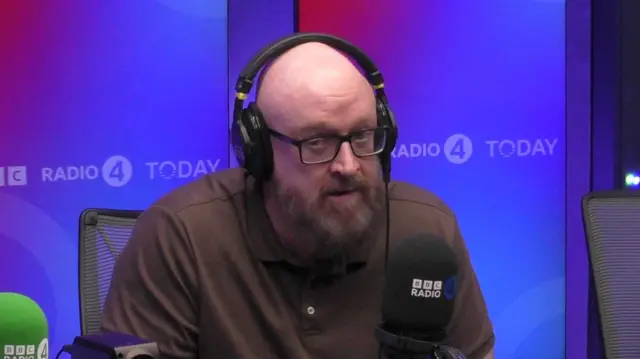
    Paul Price sustained life-changing injuries and lost his partner Elaine McIver in the Manchester Arena terror attack in 2017, and has since campaigned for better support for survivors.

    Speaking to the BBC's Today programme this morning, he remembers leaving hospital after a nine-month stay feeling "totally lost and directionless".

    "I thought life was over for me," he continues, and says he had been reassured while in hospital that he would be looked after.

    "I came out of hospital nine months later to nothing. I remember saying to myself 'Paul you've been in hospital for too long and they've forgotten about you', and they had," he says.

    Forced to live with his parents, Price went from a fully-equipped rehab ward to a weekly physio visit at home.

    "I needed help, I was navigating so many things: life-changing injuries, the loss of Elaine, I wasn't in a position to start creating a new life for myself," he adds.

    Price has since campaigned for easier access to compensation for survivors of terror attacks.

  3. Compensation scheme not up to scratch, victims saypublished at 13:30 BST

    Ewan Somerville
    BBC News

    Several of those who campaigned for a national day for terror victims and survivors still feel more needs to be done.

    A report, released on Friday by the Survivors Against Terror (SAT), says while psychological support for victims had improved, no progress had been made to the state compensation scheme for terror victims, the Criminal Injuries Compensation Authority.

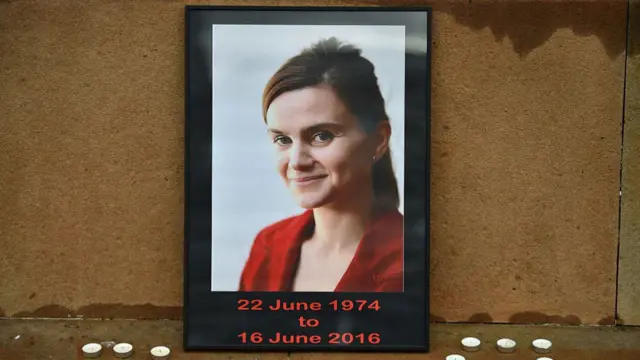
    SAT's co-founder Brendan Cox, whose wife MP Jo Cox was murdered by a neo-Nazi in 2016, welcomes the national day but warns "survivors also want it to be a moment of accountability".

    Candles surround a photo of Labour MP Jo CoxImage source, Getty Images
    Image caption,

    Labour MP Jo Cox was fatally stabbed and shot before a constituency surgery in 2016

    Lisa Ghiggini, who survived the London Bridge attack in 2019, says: "At the moment we still have members who don't have the resources to build a downstairs toilet following attacks that have left them struggling to walk".

    The Ministry of Justice, which is responsible for the taxpayer-funded scheme, where victims self-classify the type of incident, says £180m was paid out last year for all types of violent crime including terrorism.

  4. Mother of Manchester Arena victim says ceremony will bring up 'mixed emotions'published at 13:21 BST

    Figen Murray, the mother of Martyn Hett, who was killed in the Manchester Arena bombing in 2017, says today "will bring people together who often feel isolated".

    She tells BBC Breakfast the man who carried out the attack that killed her son "may as well have detonated his bomb in our living room" as every member of the family has been "really affected" and "changed" by it.

    The ceremony in London today will bring up "mixed emotions", she says, but "everybody can share their story and get together, and that's really important".

    If you're affected by any of the issues in this page then support and help is available at BBC Action Line.

  5. Before the ceremony, this art installation displays hope for peacepublished at 13:14 BST

    Guy Lambert
    Society reporter

    Paper cranes in a line down from the ceiling

    Here at the ceremony in central London, a stunning installation has been created using paper cranes.

    Inspired by the story of Sadako Sasaki, a Japanese girl who became a victim of the atomic bombing of Hiroshima, this installation of 1,000 paper cranes has been made by, or for, a person affected by a terrorist attack.

    All of the cranes are made in the same way but each holds an individual significance for the person that created it. Some include private messages and prayers, while others have been decorated.

    They have been sent for far and wide, representing attacks that have taken place all over the world. All in the combined hope for peace.

  6. 'Why survivors like me shouldn't be forgotten'published at 13:03 BST

    Ewan Somerville
    BBC News

    Media caption,

    'We were incredibly lucky': Survivor Travis Frain

    Travis Frain campaigned for this day for nearly five years.

    On March 2017, his life changed forever after attacker Khalid Masood drove his car into crowds, killing four, before stabbing a police officer to death outside the Houses of Parliament in Westminster, London.

    At the time, Frain was a 19-year-old student on a university trip to the capital. He was snapping a photo of Big Ben when the car started speeding towards him.

    "One of the guys in my group shouted 'look out' and as I looked up from my phone, the terrorist's car was in front of me. It was a split second really before the car hit me," Frain, now 28, tells the BBC.

    Frain feels it is "morally correct that we should be remembering those lost to terrorism".

    Victims are "often not targeted as individuals but as representatives of something far greater - the nation, the nation's values; the values we're all meant to hold, I'm sure", he says.

    You can read more of Frain's story here.

  7. What is the national day for victims and survivors - and how can I get involved?published at 13:01 BST

    People observing a minutes silence in Manchester in honour of the 2017 London Bridge terror attack victimsImage source, PA Media
    Image caption,

    People observing a minutes silence in Manchester in honour of the 2017 London Bridge terror attack victims

    The idea for a national day for terror victims and survivors came about after a Home Office review, external found many people needed more support.

    The government took recommendations from the review's findings on the importance of paying tribute to those impacted by terrorism, and introduced a national day. It also implemented a dedicated support hub for victims and survivors.

    Today's event will focus on raising awareness about the specialist support available, sharing stories from victims and survivors, and educating the public about the history and impacts of terrorism.

    The day will take place on 21 August each year, which aligns with the United Nations International Day of Remembrance and Tribute to the Victims of Terrorism, which was established by the UN General Assembly in 2017.

    The government website lists some ways that people across the country can get involved, from lighting a remembrance candle at home, to donating to a victims’ charity or attending a local memorial.

  8. UK marks first national day for victims and survivors of terrorismpublished at 12:57 BST

    Adam Goldsmith
    Live reporter

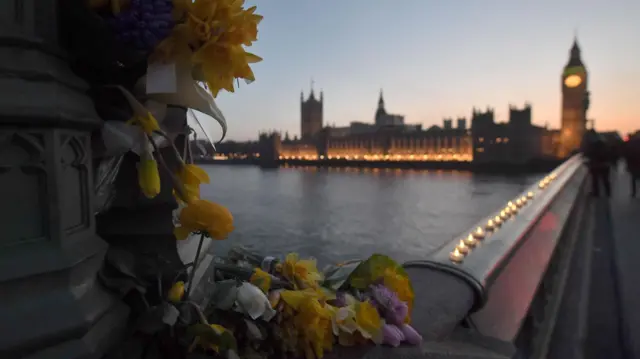
    Dusk on Westminster bridge after the 2017 terror attack. Candles are lined up along the wall and the Houses of Parliament are in the backgroundImage source, PA Media
    Image caption,

    Westminster Bridge was the site of a terror attack in March 2017

    Today, the UK is observing its first national day for victims and survivors of terrorism.

    There will be a ceremony in London this afternoon, consisting of reflections and readings, including from members of the emergency services, and a two-minute silence.

    The event is set to begin at 14:30 BST and you’ll be able to watch live at the top of the page.

    As we build up to the ceremony, we’ll bring you comments from campaign groups, some of whom say more still needs to be done to support survivors of terror attacks.

    We’ll also be sharing the stories of people like Travis Frain. He was hit and left with multiple injuries when attacker Khalid Masood drove his car into crowds outside Parliament in 2017.

    Frain says he will "always" be affected by the attack, and "we all have a role to play" in stopping terrorism.