Deal not 'fully negotiated yet', Trump confirms as Iran media says agreement can still be cancelledpublished at 20:06 BST 24 May
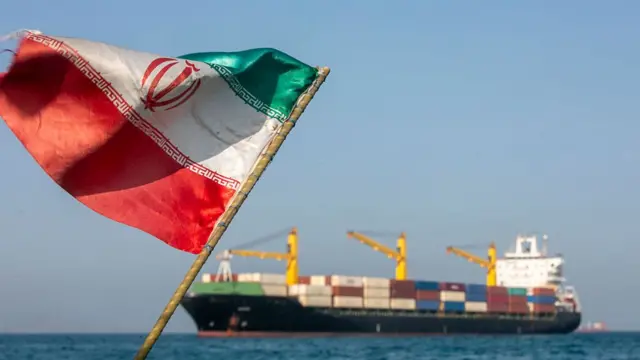 Image source, Getty Images
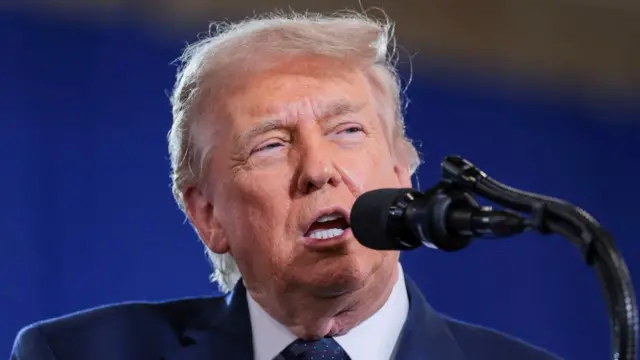
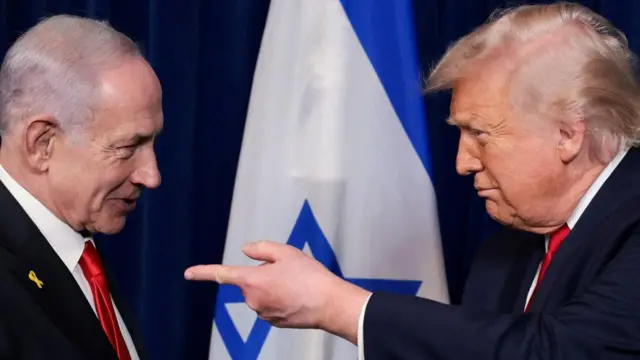
Donald Trump has said a deal with Iran would include the full reopening of the Strait of Hormuz
The day started with hints that we could hear more about a US-Iran deal after President Donald Trump yesterday said that one has been "largely negotiated".
The US and Israel have described the document as a "memorandum of understanding" - with reports suggesting this is an initial agreement that would allow for further talks on aspects still in dispute.
US media is reporting that nothing is expected to be signed today and Trump has confirmed a deal is not "fully negotiated yet" despite details having emerged about what could be included in a potential one.
Trump tempered expectations for an imminent deal, writing on Truth Social that "both sides must take their time and get it right" while reiterating that Tehran "must understand" it cannot develop a nuclear weapon.
Hours later, Iran's semi-official Tasnim news agency accused the US of "obstruction", saying that an agreement could still be "cancelled".
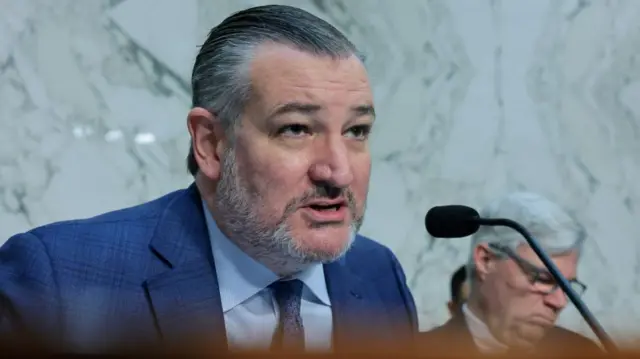
In the US, Republicans are split about whether to support the reported contents of the deal. Trump appeared to address criticism, saying that "nobody has seen" the agreement - adding: "I don't make bad deals."
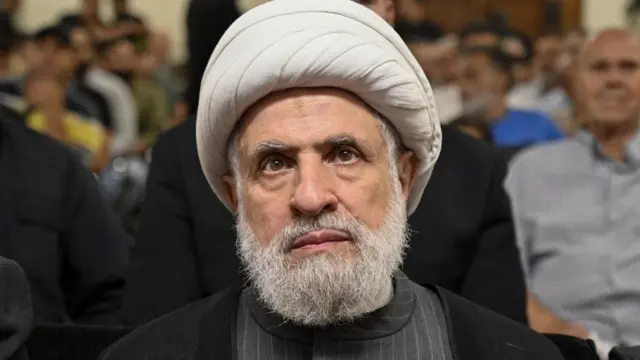
Meanwhile, Hezbollah chief Naim Qassem urged the Lebanese government to abandon direct talks with Israel, saying disarming was "unacceptable", according to the military wing of the armed group.
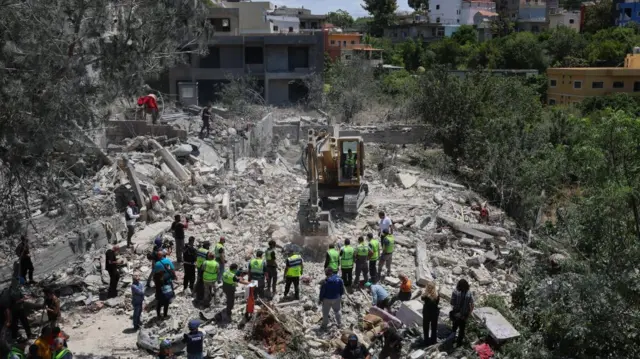
Lebanon and Israel are expected to hold a new round of peace talks in Washington early next month but a senior Israeli official told the BBC that Netanyahu insisted Israel will "maintain freedom of action against threats in all arenas", including Lebanon.
We are pausing our live coverage shortly but you can read the full story here.