Inspiring change, shifting norms
Creative audience-focused stories can help address some of the world's most pressing challenges by inspiring people to think, feel, and act.

We are living through a time of unprecedented global challenges: climate crisis is worsening; gender equality is backsliding; and there is a sustained attack on democracy, freedom, and human rights. These issues are interconnected: climate change impacts economics, which impacts social issues, which widens inequity, and the cycle goes on.
In the communities most impacted, the situation is often exacerbated by lack of access to critical, trustworthy information; rampant misinformation; negative beliefs about issues and possible solutions; and deeply entrenched social norms that shape attitudes.
Creative audience-centred content, shaped by the voices and lived experiences of affected individuals and communities, is a powerful tool for addressing these challenges. From stories that model new possibilities to factual programmes that inform and engage audiences, content developed with genuine audience understanding reaches people when other approaches don't: sustaining engagement, building empathy, and creating the conditions for genuine attitude change.
Delivered through local media, journalists and content creators trusted by the communities they serve, trustworthy information and creative storytelling can work at the scale these challenges demand.
Our work
BBC Media Action has spent over 25 years developing media and content that doesn't just reach audiences but moves them to action. Working with local media organisations, journalists and content creators across more than 30 countries, we design and deliver content grounded in rigorous research, shaped by genuine audience understanding, and built to drive real-world change.
This year, BBC Media Action is presenting 13 submissions at the SBCC Summit in Panama spanning the full breadth of our work.
Tackling social and gender norms
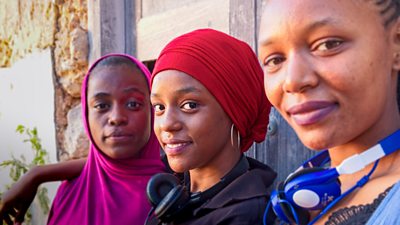
Across the world, deeply held beliefs about gender shape who speaks, who leads, who is safe, and who is heard. These are not formal rules but unwritten assumptions that feel natural and inevitable – passed down through families, reinforced in communities, embedded in institutions.
Shifting them requires creative content that places audiences inside experiences different from their own, opening space for reflection and dialogue without triggering defensiveness. Through programmes grounded in rigorous research, we track what audiences say and what they believe, and how that changes over time.
Learn more
- Shifting social and gender norms through media: Our learning and practice briefings bring together evidence from across our portfolio on how creative storytelling can help communities rethink deeply rooted norms, from who should lead to who should be heard. They draw on decades of experience designing content that works at the level of belief, not just behaviour.
- How do gender norms affect digital use amongst young women from small towns in India?:In small-town India, gender norms actively limit young women's access to and use of smartphones. BBC Media Action conducted formative research across three states to map the specific norms at play and developed a transmedia communication strategy to address them.
- Using storytelling to engage the next generation of Cambodians: Young people in Cambodia have historically lacked the knowledge, confidence and opportunities to participate in civic life. Our Klahan9 SPACE project combined drama, digital content and community outreach to engage over 2.5 million Cambodians, shifting both youth attitudes toward participation and intergenerational attitudes toward youth.
- Understanding social and gender norms shaping electoral participation in Tanzania: Following Tanzania's 2025 general election, we carried out research to understand how social and gender norms shape the participation of women and young people in political life. The study revealed how patriarchal attitudes, financial barriers and online abuse continue to limit who gets to lead – and what communication can do to change that.
- Can social media output help shift perceptions about informal waste pickers? To understand whether, and how, social media content shifts attitudes requires more than standard analytics. Our work in India has developed and tested innovative panel-based methodologies to track attitude change in digital spaces over time, generating more rigorous, comparable evidence on what digital content actually achieves.

Ensuring effective climate communication
Tackling climate change is as much a communication challenge as a scientific one. Communities on the frontlines of its impacts need information they can act on, delivered in ways that reflect how they experience their environment. At the same time, misinformation and disengagement actively undermine the attitudes and behaviours that meaningful climate action requires.
Our climate work addresses these intertwining issues: building a robust audience understanding of climate impacts and strengthening the local media and storytelling capacity needed to sustain the conversation.
Learn more
- Climate storytelling for a new generation of Indonesians: Indonesia is the world's third-largest greenhouse gas producer, yet a significant proportion of its younger, urban population feels disconnected from the environmental issues shaping their country. The Kembali Ke Hutan project tackled this through an innovative mix of TV drama, live social media discussion and an evergreen digital brand, AksiKita, integrating broadcast and online audiences in ways that were new to Indonesian television, and giving young people a trusted space to engage with climate issues across Instagram, YouTube and TikTok.
- Examining people's understanding of weather and climate information: How often do people check weather forecasts? Do they trust what they hear? Do they act on them? Under our Bridges project, we surveyed more than 5,000 people, conducted 57 focus group discussions, and held 142 in-depth interviews across three countries, to find out how people in Kenya, Bangladesh and Nepal are perceiving the impacts of climate change, and what information they use to help them adapt and cope.
Fighting false information
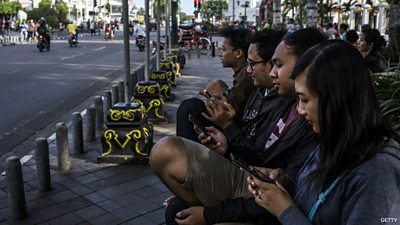
False and misleading information spreads faster than facts, and once embedded, it shapes opinions, fuels mistrust and causes real harm. The challenge is understanding how misinformation manifests differently across contexts, how audiences encounter and make sense of it, and what builds genuine resilience rather than just awareness.
Our work focuses on generating rigorous evidence on how false narratives spread and take hold across different information ecosystems – translating those findings into audience-centred content and communication strategies that help societies better understand, navigate and respond to the information around them.
Learn more
- Understanding false information - and what we can do: In Indonesia, BBC Media Action examined how climate disinformation circulates and worked to strengthen journalism and digital storytelling as a direct counter, building the capacity of local media to identify, challenge, and respond to false narratives. In Nepal, our research examined key false narratives in circulation – who is driving them and how audiences engage with what they encounter online and offline.
Leaving no one behind
Effective communication depends on genuinely understanding the audience as individuals, navigating specific social pressures, economic realities, and community dynamics.
We invest in deep audience research to make this possible: from segmentation studies and participatory diaries to longitudinal panels and social listening. This formative research makes the difference between content simply reaching audiences, and content that genuinely shifts attitudes and moves people to action.
Learn more
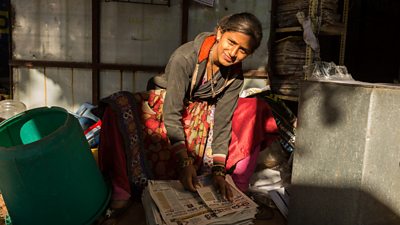
- Reframing lives, restoring value: Waste pickers are essential to Bengaluru's circular economy, yet formative research revealed they were virtually invisible to most of the city's residents, and widely stigmatised. Under our PRIDE project, the #Invaluables campaign used a multi-phase social media strategy to shift those perceptions, moving public attitudes from indifference to recognition, and from recognition toward action.
- From awareness to action: Building on the attitude shifts achieved in Phase 1, the second phase of the PRIDE project focused on translating empathy into everyday behaviour, connecting residents' waste disposal habits directly to the health, safety and dignity of the waste pickers who depend on them.
- Using audience segmentation to guide communication strategies: In 2024, we conducted research to understand how different groups of Tanzanians consume food; their concerns around food affordability; and how far they advocate for food availability, affordability and safety. The findings identified distinct population groups with different concerns, motivations and entry points for communication – directly informing content designed to build collective action for healthier food systems.
BBC Media Action reached over 80 million people last year around the world. Our extensive network of local media partners reaches a quarter of a billion people. The challenges we work on are not going away. But we are driven by evidence that strong, thoughtful content, tailored to our audiences and delivered through trusted local voices, can shift the attitudes and norms for sustainable change.
Read more about our insight and impact
Search by Tag:
- Tagged with InsightInsight
- Tagged with Media developmentMedia development
